التقنيات المتقدمة التي تعزز أداء أغلفة الزيت: نظرة عميقة
في مجال التنقيب عن النفط وإنتاجه، يعد أداء أغلفة النفط عاملاً حاسمًا في ضمان الكفاءة التشغيلية والسلامة والاستدامة البيئية. على مر السنين، أحدث التقدم التكنولوجي ثورة في قدرات وموثوقية هذه المكونات الأساسية، مما مهد الطريق لاستخراج الطاقة وإدارتها بشكل أكثر كفاءة. تتعمق هذه المقالة في تحسين أداء أغلفة النفط، واستكشاف الابتكارات التي تشكل مستقبل الصناعة.
تعمل أغلفة النفط كعنصر هيكلي أساسي في آبار النفط، مما يوفر دعمًا وحماية حاسمين لحفرة البئر ضد الضغوط الخارجية ويضمن سلامة عملية الاستخراج. تاريخيًا، كانت الأغلفة تتكون أساسًا من الفولاذ، الذي تم اختياره لمتانته وقوته. ومع ذلك، مع تطور تقنيات الحفر والاعتبارات البيئية، أصبح الطلب على الأغلفة أكثر صرامة.
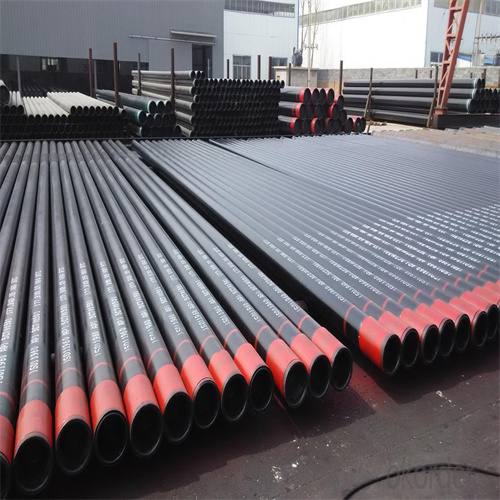
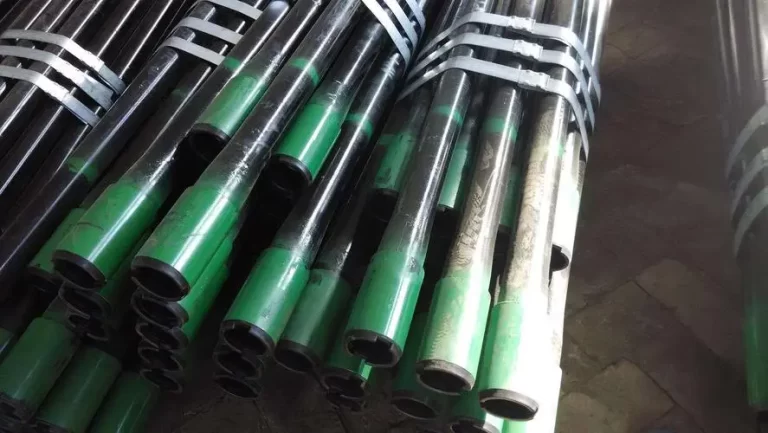
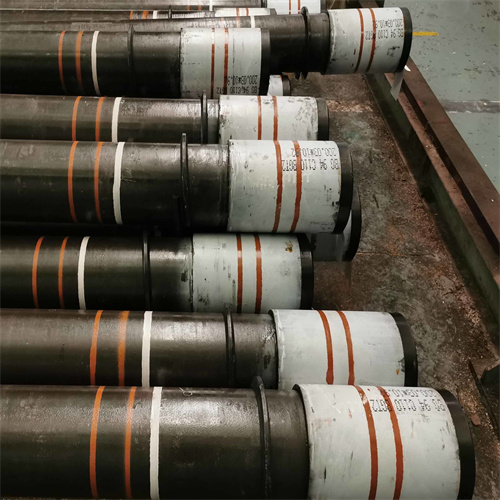
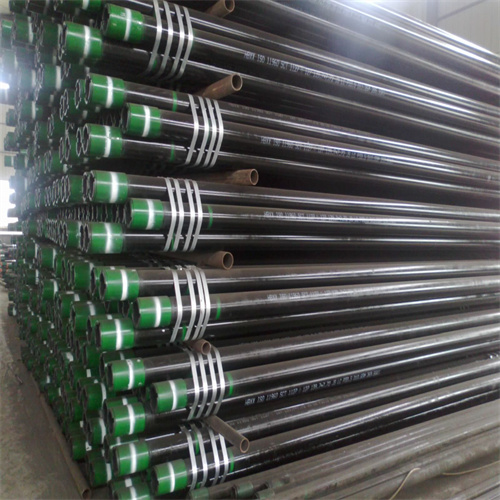
مصدر أنابيب تغليف البترول
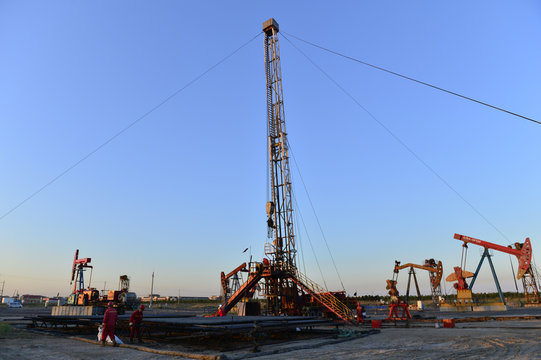
الريادة في آفاق الطاقة الجديدة: الابتكارات في تصميم أغلفة النفط
بالتوازي مع التطورات في المواد والتصميم، تُحدث التقنيات الرقمية ثورة في مراقبة أداء أغلفة الزيت وصيانتها. توفر المستشعرات التي تدعم إنترنت الأشياء والمضمنة في الأغلفة بيانات في الوقت الفعلي حول السلامة والضغط ودرجة الحرارة، مما يتيح إجراء صيانة استباقية ومنع الأعطال المكلفة. تعمل تحليلات البيانات على تعزيز الكفاءة التشغيلية من خلال التنبؤ بالمشكلات المحتملة وتحسين الأداء الجيد طوال دورة حياة الغلاف.
علاوة على ذلك، أدى تكييف ممارسات التصنيع الذكية إلى تبسيط إنتاج أغلفة النفط، مما يضمن الاتساق في الجودة والالتزام بمعايير الصناعة الصارمة. لا تعمل العمليات الآلية والروبوتات على تسريع الإنتاج فحسب، بل تقلل أيضًا من الأخطاء البشرية، مما يضمن أن كل غلاف يلبي المواصفات الدقيقة المطلوبة للتطبيق المقصود.
وتمتد أهمية هذه التطورات إلى ما هو أبعد من الفوائد التشغيلية لتشمل تأثيرات أوسع على مشهد الطاقة العالمي. ومن خلال تعزيز موثوقية وكفاءة استخراج النفط، تساهم تقنيات التغليف المكررة في استقرار إمدادات الطاقة وتلبية الطلب العالمي المتزايد على الطاقة. تعتبر هذه الموثوقية حاسمة بشكل خاص في الوصول إلى الاحتياطيات غير المستغلة سابقًا وتحسين معدلات الاستخلاص من الحقول الحالية، وبالتالي إطالة عمر آبار النفط وتحسين استخدام الموارد.
بالنظر إلى المستقبل، فإن مسار الابتكار في أغلفة النفط يستعد للتقاطع مع الاتجاهات الناشئة مثل احتجاز الكربون واستخدامه (CCU) وتكامل الطاقة المتجددة. ستلعب الأغلفة المتقدمة القادرة على دعم تقنيات الاسترداد المحسنة وتسهيل عمليات وحدة CCU دورًا محوريًا في الانتقال نحو مستقبل طاقة أكثر استدامة. سيكون التعاون المستمر بين أصحاب المصلحة في الصناعة والمؤسسات البحثية والهيئات التنظيمية فعالاً في دفع هذه الابتكارات إلى الأمام والتغلب على التحديات التقنية والبيئية.
في الختام، يمثل تحسين أداء أغلفة النفط تقدمًا محوريًا في تطور قطاع الطاقة. . من علوم المواد إلى مبادرات الرقمنة والاستدامة، يساهم كل جانب من جوانب الابتكار في تعزيز الكفاءة التشغيلية، وضمان الإشراف البيئي، وتمهيد الطريق لمستقبل مرن للطاقة. مع استمرار تطور التكنولوجيا، ستتطور أيضًا قدرات أغلفة النفط، مما سيشكل حدودًا جديدة في استكشاف الطاقة وإنتاجها والتي تعد بتشكيل الصناعة لعقود قادمة.
Delineate the Refinement of Oil Casing Performance and Pave a New Energy Journey
In the realm of oil extraction and production, the evolution of oil casing design stands as a testament to ongoing technological advancements driving efficiency and sustainability in the industry. Oil casings, vital components of well Construction, play a crucial role in maintaining well integrity and optimizing production yields. The continuous refinement of oil casing performance not only enhances operational safety but also contributes significantly to reducing environmental impact and maximizing resource utilization.
Traditionally, oil casings were primarily designed to provide structural support and prevent the collapse of wellbores. However, the demands of modern oil exploration necessitate casings that can withstand higher pressures, corrosive environments, and extreme temperatures. innovations in Materials science have been pivotal in addressing these challenges. Advanced alloys and composites are now used to manufacture casings that offer superior strength, durability, and resistance to chemical degradation.
The quest for enhanced performance has also spurred innovations in casing design. Engineers are increasingly focusing on geometric and mechanical configurations that optimize casing functionality under varying downhole conditions. This includes the development of casing Connections that ensure reliable Sealing and easier installation, thereby reducing operational downtime and Maintenance costs.
Moreover, the drive towards sustainable energy practices has prompted the integration of eco-friendly materials and manufacturing processes in oil casing production. Recycled materials and eco-conscious manufacturing techniques not only contribute to reducing the carbon footprint but also align with global efforts towards achieving environmental sustainability in the energy sector.
 In parallel with material and design advancements, digital technologies are revolutionizing oil casing performance monitoring and maintenance. IoT-enabled sensors embedded in casings provide real-time data on integrity, pressure, and temperature, enabling proactive maintenance and preventing costly failures. Data analytics further enhance operational efficiency by predicting potential issues and optimizing well performance over the lifecycle of the casing.
Furthermore, the adaptation of smart manufacturing practices has streamlined the production of oil casings, ensuring consistency in quality and adherence to stringent industry standards. Automated processes and robotics not only expedite production but also minimize human error, ensuring that each casing meets the exact specifications required for its intended application.
The significance of these advancements extends beyond operational benefits to encompass broader implications for the global energy landscape. By enhancing the reliability and efficiency of oil extraction, refined casing technologies contribute to stabilizing energy supplies and meeting escalating global energy demands. This reliability is particularly crucial in accessing previously untapped reserves and improving recovery rates from existing fields, thereby extending the lifespan of Oil Wells and optimizing resource utilization.
Looking ahead, the trajectory of oil casing innovation is poised to intersect with emerging trends such as carbon capture and utilization (CCU) and renewable energy integration. Advanced casings capable of supporting enhanced recovery techniques and facilitating CCU processes will play a pivotal role in transitioning towards a more sustainable energy future. The ongoing collaboration between industry stakeholders, research institutions, and regulatory bodies will be instrumental in driving these innovations forward and overcoming technical and environmental challenges.
In conclusion, the refinement of oil casing performance represents a pivotal advancement in the evolution of the energy sector. From materials science to digitalization and sustainability initiatives, each facet of innovation contributes to enhancing operational efficiency, ensuring environmental stewardship, and paving the way for a resilient energy future. As technology contiNues to evolve, so too will the capabilities of oil casings, forging new frontiers in energy exploration and production that promise to shape the industry for decades to come.