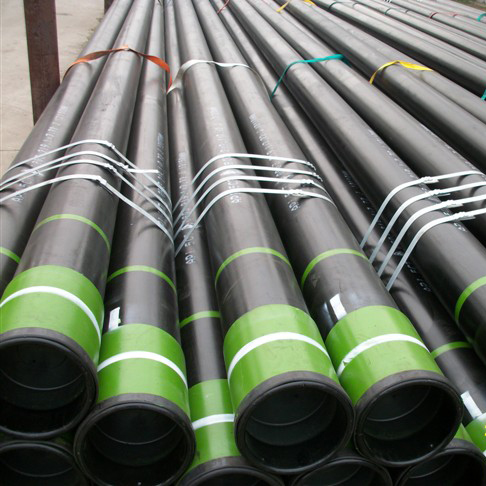
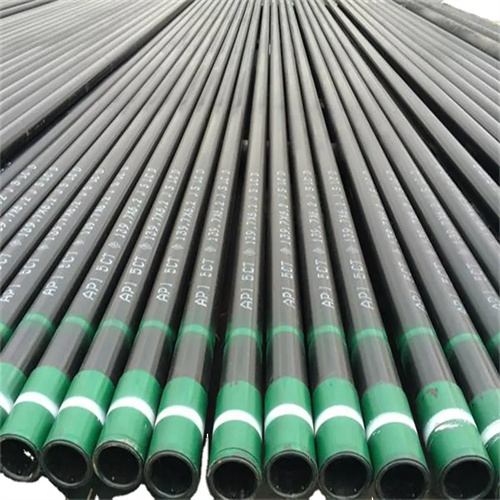
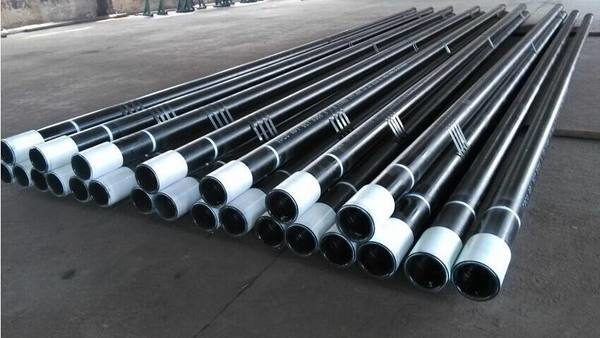
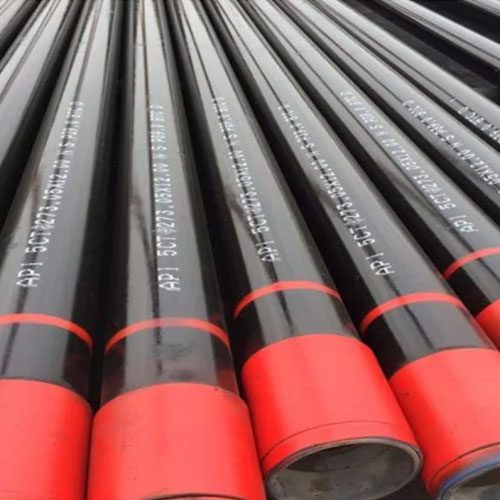
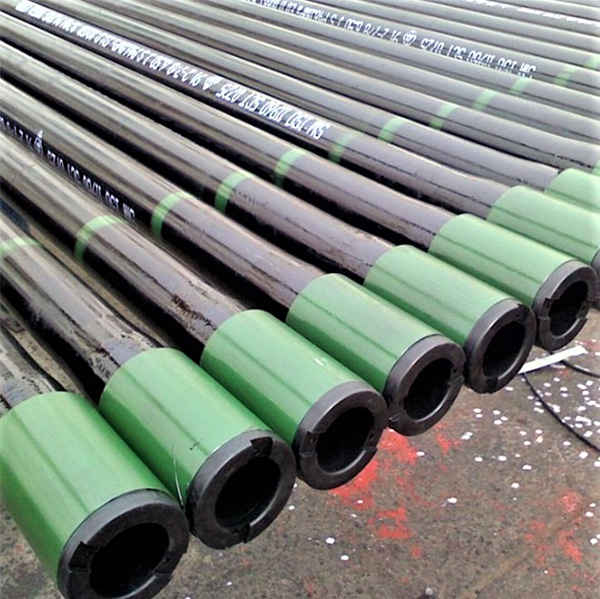
فهم أهمية التدابير المضادة للتآكل لغلاف النفط
حالات الزيوت الأساسية
للتخفيف من هذه المخاطر، يتم تنفيذ تدابير صارمة لمكافحة التآكل أثناء مواصفات واختيار مواد تغليف الزيت. يقوم المهندسون وعلماء المعادن بتحليل العوامل بدقة مثل بيئة البئر، وخصائص السوائل، والعمر التشغيلي لتحديد المواد الأكثر ملاءمة. تشمل الخيارات الشائعة سبائك الفولاذ الكربوني، التي توفر خصائص ميكانيكية قوية ومقاومة معتدلة للتآكل، والسبائك المقاومة للتآكل (CRAs) مثل الفولاذ المقاوم للصدأ وسبائك النيكل، والتي توفر حماية فائقة في البيئات العدوانية.
بعيدًا عن اختيار المواد، فإن تطبيق الطلاءات والمثبطات تزيد من مقاومة التآكل. على سبيل المثال، تعمل الطلاءات الإيبوكسية على إنشاء حاجز بين سطح الغلاف والعناصر المسببة للتآكل، بينما تقوم المثبطات بتعديل البيئة الكيميائية داخل البئر لقمع تفاعلات التآكل. لا تعمل هذه الإجراءات الوقائية على إطالة عمر غلاف الزيت فحسب، بل تقلل أيضًا من تكاليف الصيانة ووقت التوقف عن العمل المرتبط بالفشل المبكر للمعدات.
علاوة على ذلك، تلعب المعايير التنظيمية وأفضل ممارسات الصناعة دورًا حاسمًا في توجيه جهود مكافحة التآكل. يضمن الامتثال للوائح مثل تلك التي وضعها معهد البترول الأمريكي ( API) أن مواد تغليف الزيت وتقنيات تخفيف التآكل تلبي معايير السلامة والبيئة الصارمة. إن الالتزام بهذه المبادئ التوجيهية لا يخفف من المخاطر التشغيلية فحسب، بل يعزز أيضًا الثقة والمساءلة داخل قطاع النفط والغاز.
في الختام، يعد تحديد واختيار إجراءات مكافحة التآكل لغلاف النفط عملية دقيقة تهدف إلى الحفاظ على النزاهة والكفاءة من عمليات استخراج النفط. من خلال فهم التحديات البيئية واستخدام المواد المتقدمة والطلاءات وأنظمة الحماية، يمكن لمحترفي الصناعة التخفيف من الآثار الضارة للتآكل، وبالتالي تعزيز السلامة والموثوقية والاستدامة في عمليات آبار النفط. مع استمرار تطور التقدم التكنولوجي، ستتطور أيضًا طرق مكافحة التآكل، مما يضمن بقاء غلاف النفط حجر الزاوية المرن في صناعة الطاقة في المستقبل.
Moreover, the design of Oil Casing systems incorporates protective features such as sacrificial anodes and cathodic protection systems. Sacrificial anodes, typically composed of zinc or aluminum alloys, corrode preferentially to protect the casing Material. Cathodic protection involves applying an electrical current to the casing, thereby polarizing it against corrosion. These techniques are integral to safeguarding casing integrity in environments prone to rapid metal degradation.
In practice, specifying and selecting anti-corrosion measures for oil casing requires a multidisciplinary approach. Collaboration between engineers, metallurgists, chemists, and environmental specialists ensures that every aspect—from material composition to installation techniques—is optimized for maximum durability and safety. Rigorous testing and quality control procedures further validate the effectiveness of cHosen anti-corrosion strategies before deployment in the field.

Furthermore, regulatory standards and industry best practices play a crucial role in guiding anti-corrosion efforts. Compliance with regulations such as those set forth by the American Petroleum Institute (API) ensures that Oil casing materials and corrosion mitigation techniques meet rigorous safety and environmental standards. Adherence to these guidelines not only mitigates operational risks but also fosters trust and accountability within the Oil and Gas sector.
In conclusion, the specifying and selecting of anti-corrosion measures for oil casing is a meticulous process aimed at safeguarding the integrity and efficiency of oil extraction operations. By understanding the environmental challenges and employing advanced materials, coatings, and protective systems, industry professionals can mitigate the detrimental effects of corrosion, thereby enhancing safety, reliability, and sustainability in oil well operations. As technological advancements contiNue to evolve, so too will the methods of combating corrosion, ensuring that oil casing remains a resilient cornerstone of the energy industry well into the future.