Kuelewa Umuhimu wa Hatua za Kuzuia Kutu kwa Ufungaji wa Mafuta
kesi muhimu za mafuta
Aidha, viwango vya udhibiti na mbinu bora za sekta zina jukumu muhimu katika kuongoza juhudi za kupambana na kutu. Uzingatiaji wa kanuni kama zile zilizowekwa na Taasisi ya Petroli ya Marekani ( API) huhakikisha kwamba nyenzo za kuhifadhi mafuta na mbinu za kupunguza kutu zinakidhi viwango vikali vya usalama na mazingira. Kuzingatia miongozo hii sio tu kwamba kunapunguza hatari za kiutendaji bali pia kunakuza uaminifu na uwajibikaji ndani ya sekta ya mafuta na gesi.
Kwa kumalizia, kubainisha na kuchagua hatua za kuzuia kutu kwa kifuko cha mafuta ni mchakato wa makini unaolenga kulinda uadilifu na ufanisi. wa shughuli za uchimbaji mafuta. Kwa kuelewa changamoto za kimazingira na kutumia vifaa vya hali ya juu, mipako, na mifumo ya kinga, wataalamu wa tasnia wanaweza kupunguza athari mbaya za kutu, na hivyo kuimarisha usalama, kutegemewa na uendelevu katika utendakazi wa visima vya mafuta. Kadiri maendeleo ya kiteknolojia yanavyoendelea kubadilika, ndivyo pia mbinu za kukabiliana na kutu, kuhakikisha kwamba mfuko wa mafuta unasalia kuwa msingi thabiti wa sekta ya nishati katika siku zijazo.
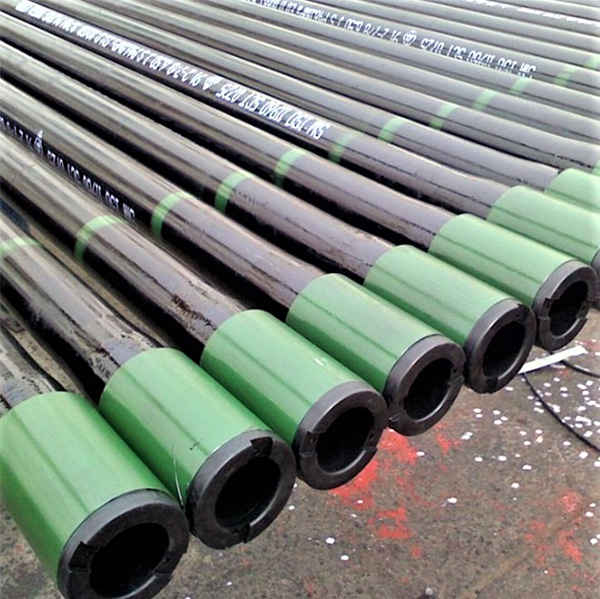
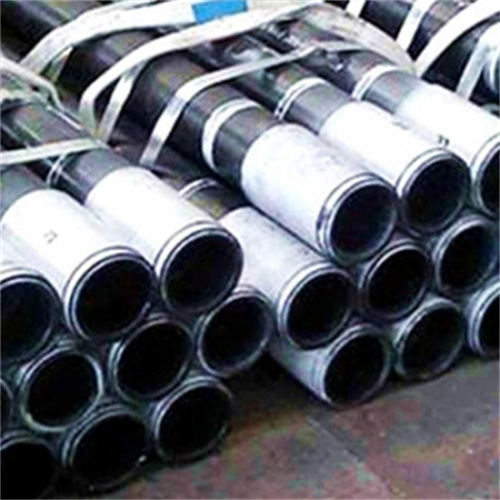
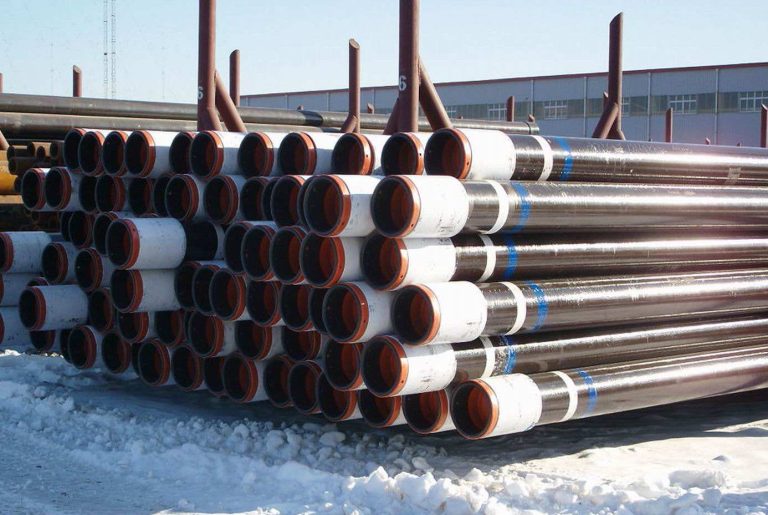
To mitigate these risks, stringent anti-corrosion measures are implemented during the specification and selection of Oil Casing Materials. Engineers and metallurgists meticulously analyze factors such as the well environment, fluid characteristics, and operational lifespan to determine the most suitable materials. Common choices include Carbon Steel alloys, which offer robust mechanical properties and moderate Corrosion resistance, and corrosion-resistant alloys (CRAs) like Stainless Steel and nickel alloys, which provide superior protection in aggressive environments.
Beyond material selection, the application of coatings and inhibitors further enhances corrosion resistance. Epoxy coatings, for instance, create a barrier between the casing surface and corrosive elements, while inhibitors modify the chemical environment within the well to suppress corrosion reactions. These preventive measures not only extend the life of oil casing but also reduce Maintenance costs and downtime associated with premature equipment failure.
Moreover, the design of oil casing systems incorporates protective features such as sacrificial anodes and cathodic protection systems. Sacrificial anodes, typically composed of zinc or aluminum alloys, corrode preferentially to protect the casing material. Cathodic protection involves applying an electrical current to the casing, thereby polarizing it against corrosion. These techniques are integral to safeguarding casing integrity in environments prone to rapid metal degradation.
In practice, specifying and selecting anti-corrosion measures for oil casing requires a multidisciplinary approach. Collaboration between engineers, metallurgists, chemists, and environmental specialists ensures that every aspect—from material composition to installation techniques—is optimized for maximum durability and safety. Rigorous testing and quality control procedures further validate the effectiveness of cHosen anti-corrosion strategies before deployment in the field.

Furthermore, regulatory standards and industry best practices play a crucial role in guiding anti-corrosion efforts. Compliance with regulations such as those set forth by the American Petroleum Institute (API) ensures that oil casing materials and corrosion mitigation techniques meet rigorous safety and environmental standards. Adherence to these guidelines not only mitigates operational risks but also fosters trust and accountability within the Oil and Gas sector.
In conclusion, the specifying and selecting of anti-corrosion measures for oil casing is a meticulous process aimed at safeguarding the integrity and efficiency of oil extraction operations. By understanding the environmental challenges and employing advanced materials, coatings, and protective systems, industry professionals can mitigate the detrimental effects of corrosion, thereby enhancing safety, reliability, and sustainability in oil well operations. As technological advancements contiNue to evolve, so too will the methods of combating corrosion, ensuring that oil casing remains a resilient cornerstone of the energy industry well into the future.