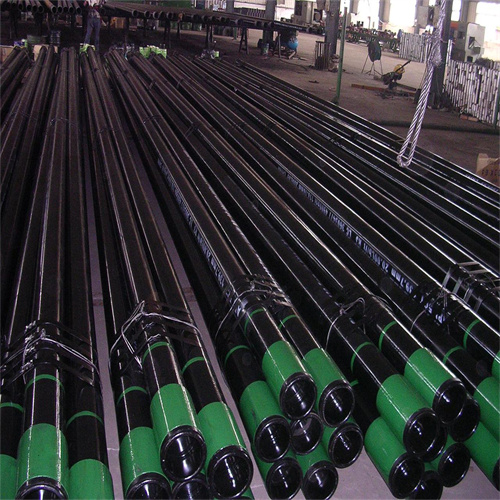
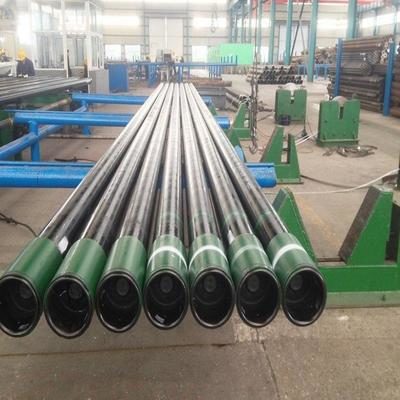
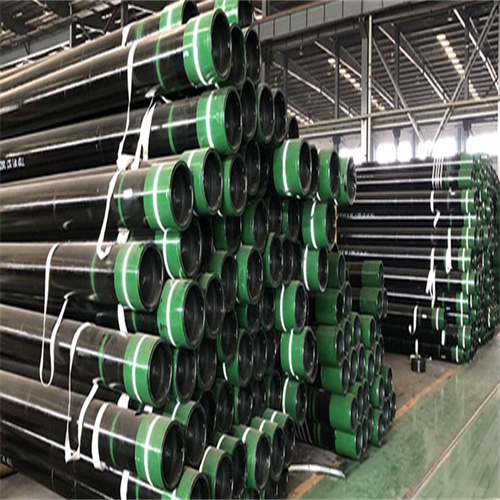
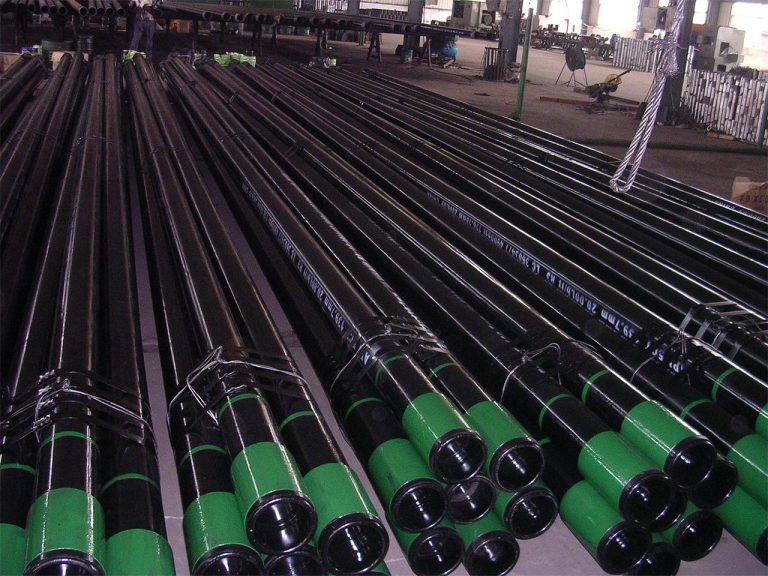
تطبيقات أنابيب التغليف الشبكية API 5ct grade K55 في صناعة النفط والغاز
أفضل مورد لأنابيب غلاف البترول في الصين
علاوة على ذلك، يتم استخدام أنابيب التغليف API 5CT Grade K55 في تقنيات الإنجاز المختلفة، بما في ذلك التكسير الهيدروليكي والتحميض. تُستخدم هذه الطرق لتعزيز إنتاجية آبار النفط والغاز عن طريق زيادة تدفق الهيدروكربونات إلى السطح. المتانة ومقاومة التآكل لأنبوب التغليف K55 تجعله خيارًا مثاليًا لهذه التطبيقات، حيث يمكنه تحمل المواد الكيميائية العدوانية والضغوط العالية المرتبطة بمثل هذه العمليات. وبالتالي، فإن استخدام أنابيب التغليف K55 يساهم في الكفاءة والفعالية الشاملة لعمليات الاستخراج، مما يؤدي في النهاية إلى زيادة معدلات الإنتاج.
علاوة على ذلك، يمتد تعدد استخدامات أنابيب التغليف API 5CT Grade K55 إلى استخدامها في كل من عمليات الحفر البرية والبحرية . في البيئات البحرية، حيث يكون التعرض للمياه المالحة والعناصر المسببة للتآكل الأخرى أمرًا مثيرًا للقلق، توفر درجة K55 المقاومة اللازمة للتآكل، مما يضمن طول عمر نظام الغلاف. هذه القدرة على التكيف تجعل من أنابيب التغليف K55 خيارًا مفضلاً للمشغلين الذين يبحثون عن حلول موثوقة عبر بيئات الحفر المتنوعة.
في الختام، فإن تطبيقات أنابيب التغليف الشبكية API 5CT Grade K55 في صناعة النفط والغاز واسعة النطاق ومتعددة الأوجه. إن قدرتها على توفير الدعم الهيكلي وحماية البيئة والتوافق مع تقنيات الإنجاز المختلفة تؤكد أهميتها في عمليات الحفر الحديثة. ومع استمرار تطور الصناعة، سيظل الطلب على حلول التغليف عالية الجودة مثل K55 ذا أهمية قصوى، مما يدفع التقدم في التكنولوجيا والممارسات التي تهدف إلى تعزيز السلامة والكفاءة والإشراف البيئي. يعد الاعتماد المستمر على أنابيب التغليف API 5CT Grade K55 بمثابة شهادة على دورها الأساسي في تسهيل الاستخراج المسؤول لموارد الطاقة الحيوية.
مزايا استخدام أنابيب التغليف الشبكية API 5CT Grade K55 لضمان سلامة الآبار
علاوة على ذلك، لا يمكن التغاضي عن الفوائد الاقتصادية المرتبطة بأنابيب التغليف الشبكية API 5CT Grade K55. قد يكون الاستثمار الأولي في الغلاف عالي الجودة أعلى من الاستثمار في البدائل ذات الجودة المنخفضة؛ ومع ذلك، فإن التوفير على المدى الطويل الذي تم تحقيقه من خلال تقليل الصيانة، وعدد أقل من عمليات الاستبدال، وتعزيز الكفاءة التشغيلية غالبًا ما يفوق هذه التكاليف. بالإضافة إلى ذلك، يمكن أن تؤدي موثوقية غلاف K55 إلى زيادة معدلات الإنتاج، حيث تكون الآبار أقل عرضة للتوقف عن العمل بسبب فشل الغلاف. تساهم هذه الإنتاجية المحسنة في نهاية المطاف في تحقيق عائد أكثر ملاءمة على الاستثمار للمشغلين.
في الختام، فإن مزايا استخدام أنابيب التغليف الشبكية API 5CT Grade K55 لضمان سلامة البئر متعددة. إن قوة الشد العالية، ومقاومة التآكل، والتركيب الفعال، والامتثال لمعايير الصناعة، والفوائد الاقتصادية تجعلها الخيار الأمثل للمشغلين في صناعة النفط والغاز. ومن خلال الاستثمار في غلاف K55، لا تقوم الشركات بتعزيز سلامة وموثوقية آبارها فحسب، بل تضع نفسها أيضًا في مكانة لتحقيق النجاح على المدى الطويل في سوق تنافسية. مع استمرار تطور الصناعة، ستظل أهمية اختيار المواد المناسبة لسلامة الآبار أمرًا بالغ الأهمية، ويبرز API 5CT Grade K55 كخيار رائد.
مقارنة أنابيب التغليف الشبكية API 5CT Grade K55 مع درجات التغليف الأخرى
 Furthermore, the economic benefits associated with API 5CT Grade K55 networked Casing Pipe cannot be overlooked. The initial investment in high-quality casing may be higher than that of lower-grade alternatives; however, the long-term savings achieved through reduced Maintenance, fewer replacements, and enhanced operational efficiency often outweigh these costs. Additionally, the reliability of k55 casing can lead to increased production rates, as wells are less likely to experience downtime due to casing failures. This improved productivity ultimately contributes to a more favorable return on investment for operators.
In conclusion, the advantages of using API 5CT Grade K55 networked casing pipe for well integrity are manifold. Its high tensile strength, Corrosion resistance, efficient installation, compliance with industry standards, and economic benefits make it an optimal choice for operators in the Oil and Gas industry. By investing in K55 casing, Companies not only enhance the safety and reliability of their wells but also position themselves for long-term success in a competitive market. As the industry contiNues to evolve, the importance of selecting the right Materials for well integrity will remain paramount, and API 5CT Grade K55 stands out as a leading option.
Comparison of API 5CT Grade K55 Networked Casing Pipe with Other Casing Grades
API 5CT Grade K55 networked casing pipe is a crucial component in the oil and gas industry, specifically designed for use in well Construction and maintenance. This grade of casing pipe is known for its strength and durability, making it suitable for various applications in both onshore and offshore drilling operations. When comparing API 5CT Grade K55 with other casing grades, it is essential to consider several factors, including mechanical properties, corrosion resistance, and overall performance in different environments.
One of the primary advantages of API 5CT Grade K55 is its mechanical properties, which include yield strength and tensile strength. K55 casing pipe typically has a minimum yield strength of 55,000 psi, which provides a robust framework for well integrity. In contrast, other grades, such as K40 and K65, offer lower and higher yield strengths, respectively. While K40 may be suitable for less demanding applications, K65 is often used in high-pressure environments. Therefore, the choice between these grades depends on the specific requirements of the drilling operation, including the anticipated pressures and loads the casing will encounter.
In addition to mechanical properties, the corrosion resistance of casing Pipes is a critical consideration, especially in environments where exposure to corrosive substances is likely. API 5CT Grade K55 is often treated with various coatings and finishes to enhance its resistance to corrosion, thereby extending its lifespan and reducing maintenance costs. Comparatively, grades such as J55 and N80 also offer corrosion resistance but may not match the performance of K55 in certain aggressive environments. For instance, J55 is typically used in less corrosive conditions, while N80 is designed for higher strength applications but may require additional protective measures in corrosive settings.
Another important aspect to consider is the manufacturing process and quality control measures associated with each casing grade. API 5CT Grade K55 is produced under stringent quality standards, ensuring that the pipes meet the necessary specifications for performance and safety. This level of quality control is crucial, as any defects in the casing can lead to catastrophic failures during drilling operations. In comparison, while other grades like l80 and P110 also adhere to rigorous standards, the specific requirements for K55 make it a reliable choice for operators seeking a balance between strength and cost-effectiveness.
Furthermore, the versatility of API 5CT Grade K55 allows it to be used in various applications, from conventional oil and gas wells to more complex unconventional resources. This adaptability is a significant advantage over other grades, which may be more specialized. For example, while P110 is often favored for high-pressure applications, its use may be limited in less demanding scenarios where K55 would suffice. Consequently, the selection of casing grade should align with the operational context, taking into account factors such as well depth, formation characteristics, and the presence of corrosive elements.
In conclusion, API 5CT Grade K55 networked casing pipe stands out in the competitive landscape of casing grades due to its favorable mechanical properties, corrosion resistance, and adherence to quality standards. While other grades like J55, N80, and P110 have their specific advantages, K55 offers a balanced solution for a wide range of drilling applications. Ultimately, the choice of casing grade should be informed by a thorough understanding of the operational requirements and environmental conditions, ensuring that the selected pipe will perform effectively throughout its service life.