Applications of API 5ct grade K55 Networked Casing Pipe in Oil and Gas Industry
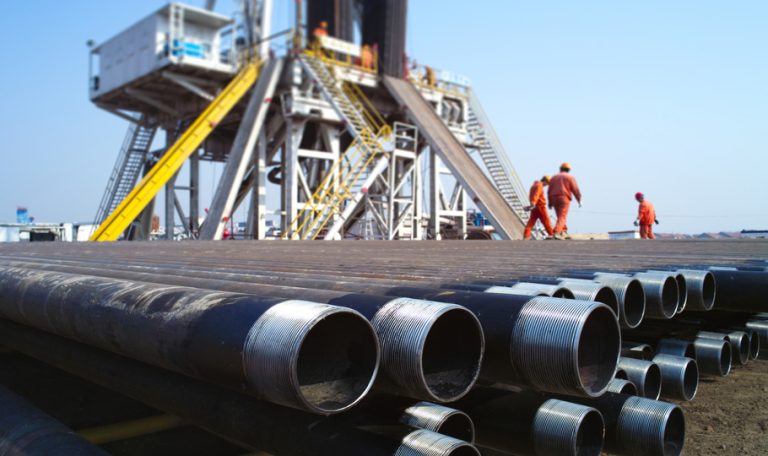
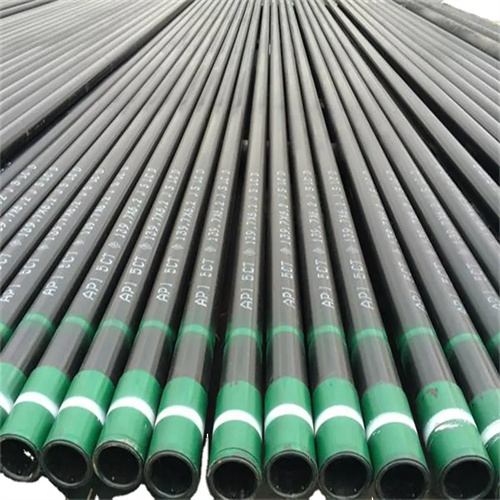
API 5CT Grade K55 networked casing pipe plays a crucial role in the oil and gas industry, serving as a vital component in the Construction and Maintenance of wells. This specific grade of casing pipe is designed to withstand the harsh conditions encountered during drilling operations, including high pressures and corrosive environments. The unique properties of K55 casing pipe make it particularly suitable for various applications, ensuring the integrity and safety of oil and gas extraction processes.
One of the primary applications of API 5CT Grade k55 casing pipe is in the construction of wellbores. During the drilling process, the casing pipe is inserted into the well to provide structural support and prevent the collapse of the borehole. The K55 grade is known for its high tensile strength, which allows it to endure the mechanical stresses imposed during drilling and completion activities. This strength is essential for maintaining the well’s integrity, especially in challenging geological formations where the risk of wellbore instability is heightened.
In addition to its structural support capabilities, K55 casing pipe also serves as a barrier to protect the surrounding environment from contamination. The oil and gas industry is subject to stringent environmental regulations, and the use of high-quality casing pipe is critical in preventing the migration of hydrocarbons and other fluids into groundwater sources. By effectively isolating different geological layers, K55 casing pipe helps to mitigate the risk of environmental pollution, thereby supporting sustainable practices within the industry.
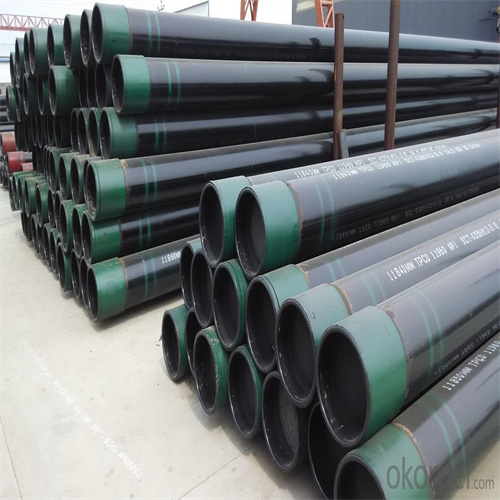
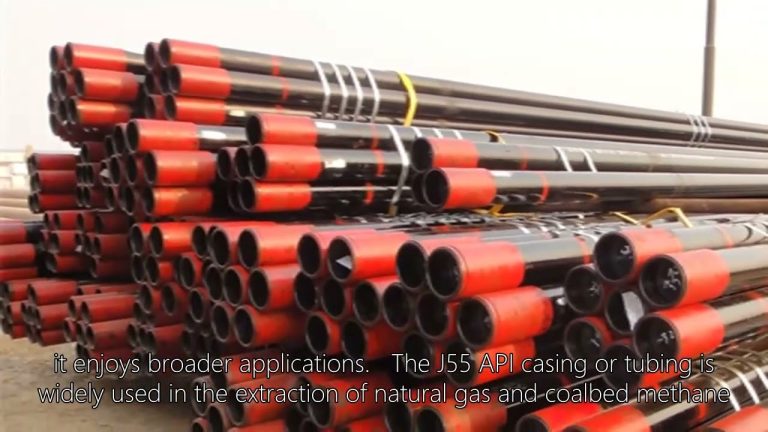
PETROLEUM casing pipe china Best Supplier
Moreover, API 5CT Grade K55 casing pipe is utilized in various completion techniques, including hydraulic fracturing and acidizing. These methods are employed to enhance the productivity of oil and gas wells by increasing the flow of hydrocarbons to the surface. The durability and Corrosion resistance of K55 casing pipe make it an ideal choice for these applications, as it can withstand the aggressive chemicals and high pressures associated with such operations. Consequently, the use of K55 casing pipe contributes to the overall efficiency and effectiveness of extraction processes, ultimately leading to increased production rates.
Furthermore, the versatility of API 5CT Grade K55 casing pipe extends to its use in both onshore and offshore drilling operations. In offshore environments, where exposure to saltwater and other corrosive elements is a concern, the K55 grade provides the necessary resistance to corrosion, ensuring the longevity of the casing system. This adaptability makes K55 casing pipe a preferred option for operators seeking reliable solutions across diverse drilling environments.
In conclusion, the applications of API 5CT Grade K55 networked casing pipe in the oil and gas industry are extensive and multifaceted. Its ability to provide structural support, environmental protection, and compatibility with various completion techniques underscores its significance in modern drilling operations. As the industry contiNues to evolve, the demand for high-quality casing solutions like K55 will remain paramount, driving advancements in technology and practices aimed at enhancing safety, efficiency, and environmental stewardship. The continued reliance on API 5CT Grade K55 casing pipe is a testament to its essential role in facilitating the responsible extraction of vital energy resources.
Advantages of Using API 5CT Grade K55 Networked Casing Pipe for well integrity
API 5CT Grade K55 networked casing pipe is a crucial component in the oil and gas industry, particularly when it comes to ensuring well integrity. This grade of casing pipe is designed to withstand the harsh conditions encountered in various drilling environments, making it an essential choice for operators seeking reliability and performance. One of the primary advantages of using API 5CT Grade K55 is its high tensile strength, which allows it to endure significant pressure and stress during drilling operations. This strength is particularly important in maintaining the structural integrity of the wellbore, preventing collapse and ensuring that the well remains operational over time.
Moreover, the corrosion resistance of K55 casing pipe enhances its suitability for use in diverse environments, including tHose with corrosive fluids. The Material‘s ability to resist degradation from chemical exposure contributes to the longevity of the casing, reducing the need for frequent replacements and maintenance. This durability not only lowers operational costs but also minimizes the risk of environmental contamination, as a compromised casing can lead to leaks and spills. Consequently, the use of API 5CT Grade K55 networked casing pipe is a proactive measure in safeguarding both the well and the surrounding ecosystem.
In addition to its physical properties, the design of K55 casing pipe facilitates efficient installation and operation. The networked configuration allows for easier handling and deployment, which can significantly reduce the time and labor required during the drilling process. This efficiency is particularly beneficial in projects where time is of the essence, as it enables operators to complete drilling operations more swiftly without compromising safety or quality. Furthermore, the compatibility of K55 with various drilling techniques and equipment enhances its versatility, making it a preferred choice for a wide range of applications.
Another significant advantage of API 5CT Grade K55 is its compliance with industry standards. The API (American Petroleum Institute) specifications ensure that the casing pipe meets rigorous quality and performance criteria, providing operators with confidence in their choice of materials. This adherence to established standards not only promotes safety but also facilitates regulatory compliance, which is essential in the highly regulated oil and gas sector. By utilizing K55 casing pipe, operators can demonstrate their commitment to industry best practices, thereby enhancing their reputation and credibility in the market.
 Furthermore, the economic benefits associated with API 5CT Grade K55 networked casing pipe cannot be overlooked. The initial investment in high-quality casing may be higher than that of lower-grade alternatives; however, the long-term savings achieved through reduced maintenance, fewer replacements, and enhanced operational efficiency often outweigh these costs. Additionally, the reliability of K55 casing can lead to increased production rates, as wells are less likely to experience downtime due to casing failures. This improved productivity ultimately contributes to a more favorable return on investment for operators.
In conclusion, the advantages of using API 5CT Grade K55 networked casing pipe for well integrity are manifold. Its high tensile strength, corrosion resistance, efficient installation, compliance with industry standards, and economic benefits make it an optimal choice for operators in the oil and gas industry. By investing in K55 casing, Companies not only enhance the safety and reliability of their wells but also position themselves for long-term success in a competitive market. As the industry continues to evolve, the importance of selecting the right materials for well integrity will remain paramount, and API 5CT Grade K55 stands out as a leading option.
Comparison of API 5CT Grade K55 Networked Casing Pipe with Other Casing Grades
API 5CT Grade K55 networked casing pipe is a crucial component in the oil and gas industry, specifically designed for use in well construction and maintenance. This grade of casing pipe is known for its strength and durability, making it suitable for various applications in both onshore and offshore drilling operations. When comparing API 5CT Grade K55 with other casing grades, it is essential to consider several factors, including mechanical properties, corrosion resistance, and overall performance in different environments.
One of the primary advantages of API 5CT Grade K55 is its mechanical properties, which include yield strength and tensile strength. K55 casing pipe typically has a minimum yield strength of 55,000 psi, which provides a robust framework for well integrity. In contrast, other grades, such as K40 and K65, offer lower and higher yield strengths, respectively. While K40 may be suitable for less demanding applications, K65 is often used in high-pressure environments. Therefore, the choice between these grades depends on the specific requirements of the drilling operation, including the anticipated pressures and loads the casing will encounter.
In addition to mechanical properties, the corrosion resistance of casing Pipes is a critical consideration, especially in environments where exposure to corrosive substances is likely. API 5CT Grade K55 is often treated with various coatings and finishes to enhance its resistance to corrosion, thereby extending its lifespan and reducing maintenance costs. Comparatively, grades such as J55 and N80 also offer corrosion resistance but may not match the performance of K55 in certain aggressive environments. For instance, J55 is typically used in less corrosive conditions, while N80 is designed for higher strength applications but may require additional protective measures in corrosive settings.
Another important aspect to consider is the manufacturing process and quality control measures associated with each casing grade. API 5CT Grade K55 is produced under stringent quality standards, ensuring that the pipes meet the necessary specifications for performance and safety. This level of quality control is crucial, as any defects in the casing can lead to catastrophic failures during drilling operations. In comparison, while other grades like l80 and P110 also adhere to rigorous standards, the specific requirements for K55 make it a reliable choice for operators seeking a balance between strength and cost-effectiveness.
Furthermore, the versatility of API 5CT Grade K55 allows it to be used in various applications, from conventional oil and gas wells to more complex unconventional resources. This adaptability is a significant advantage over other grades, which may be more specialized. For example, while P110 is often favored for high-pressure applications, its use may be limited in less demanding scenarios where K55 would suffice. Consequently, the selection of casing grade should align with the operational context, taking into account factors such as well depth, formation characteristics, and the presence of corrosive elements.
In conclusion, API 5CT Grade K55 networked casing pipe stands out in the competitive landscape of casing grades due to its favorable mechanical properties, corrosion resistance, and adherence to quality standards. While other grades like J55, N80, and P110 have their specific advantages, K55 offers a balanced solution for a wide range of drilling applications. Ultimately, the choice of casing grade should be informed by a thorough understanding of the operational requirements and environmental conditions, ensuring that the selected pipe will perform effectively throughout its service life.
![oil tube wholesaler,[oil tube] Chinese high-grade supplier,oil pipeline company, oil pipe welder](https://www.casingtube.com/wp-content/uploads/2023/10/maxresdefault-10-768x432.jpg)