أفضل 5 مواد مقاومة للتآكل تستخدم في صناعة النفط في الصين
أهمية الحماية من التآكل في خطوط أنابيب النفط في الصين
الاتجاهات المستقبلية في المواد المقاومة للتآكل في خطوط النفط في الصين
في الختام، فإن مستقبل المواد المقاومة للتآكل في خطوط النفط في الصين واعد، مع التركيز على الابتكار والاستدامة. المواد ذات التصنيف الأعلى المذكورة أعلاه هي مجرد لمحة عن التقدم الذي تم إحرازه في الصناعة. ومع استمرار الصين في الاستثمار في البحث والتطوير، يمكننا أن نتوقع رؤية المزيد من المواد الرائدة التي ستشكل مستقبل خطوط أنابيب النفط في البلاد.
Future Trends in Oil Line Corrosion-Resistant Materials in china
China has been a key player in the oil industry, with a growing demand for corrosion-resistant materials to ensure the longevity and safety of oil Pipelines. In recent years, the focus on developing advanced materials that can withstand harsh environments and corrosive substances has become paramount. This shift towards innovation has led to the emergence of top-rated corrosion-resistant materials in China that are setting new standards in the industry.
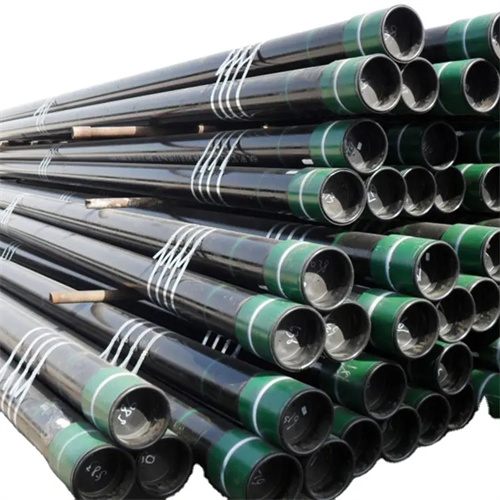
One of the top-rated materials in China for oil line Corrosion resistance is Stainless Steel. Stainless steel is known for its exceptional durability and resistance to corrosion, making it an ideal choice for oil pipelines. Its ability to withstand high temperatures and pressures, along with its low Maintenance requirements, has made it a popular choice among oil Companies in China.
Another prominent material in China’s arsenal of corrosion-resistant materials is Carbon steel with a protective coating. This combination offers a cost-effective solution that provides excellent corrosion resistance while maintaining structural integrity. The protective coating acts as a barrier against corrosive elements, ensuring the longevity of the oil pipelines.
In addition to stainless steel and carbon steel with protective coatings, China has been investing in the development of advanced polymer materials for oil line corrosion resistance. These polymer materials offer superior chemical resistance and flexibility, making them suitable for a wide range of operating conditions. The use of polymer materials in oil pipelines is gaining traction due to their ability to resist corrosion and reduce maintenance costs.
Furthermore, China has been exploring the use of composite materials for oil line corrosion resistance. Composites combine the strength and durability of different materials to create a corrosion-resistant solution that can withstand extreme conditions. By leveraging the unique properties of various materials, composite materials offer a versatile and effective solution for oil pipelines in China.
Lastly, China has been at the forefront of research and development in the field of nanotechnology for oil line corrosion resistance. Nanotechnology involves the manipulation of materials at the nanoscale to enhance their properties. By incorporating nanomaterials into coatings and protective layers, China is paving the way for highly effective corrosion-resistant solutions that can revolutionize the oil industry.
In conclusion, the future of oil line corrosion-resistant materials in China is promising, with a focus on innovation and sustainability. The top-rated materials mentioned above are just a glimpse of the advancements being made in the industry. As China contiNues to invest in research and development, we can expect to see even more groundbreaking materials that will shape the future of oil pipelines in the country.