Top 5 Corrosion-Resistant Materials Used in china‘s Oil Industry
China’s oil industry is a vital sector that requires top-rated corrosion-resistant materials to ensure the longevity and efficiency of its operations. In this article, we will explore the top 5 corrosion-resistant materials used in China’s oil industry.
Stainless Steel stands out as one of the most widely used corrosion-resistant materials in China’s oil industry. Its exceptional resistance to corrosion, high temperatures, and harsh environments makes it a preferred choice for various applications in the oil sector. Stainless steel’s durability and low Maintenance requirements contribute to its popularity in oil Pipelines and equipment.
Another key material in combating corrosion in China’s oil industry is Duplex stainless steel. This material offers a combination of High strength and excellent Corrosion resistance, making it ideal for offshore and marine applications. Duplex stainless steel’s ability to withstand chloride environments and acidic conditions makes it a reliable option for critical oil infrastructure.
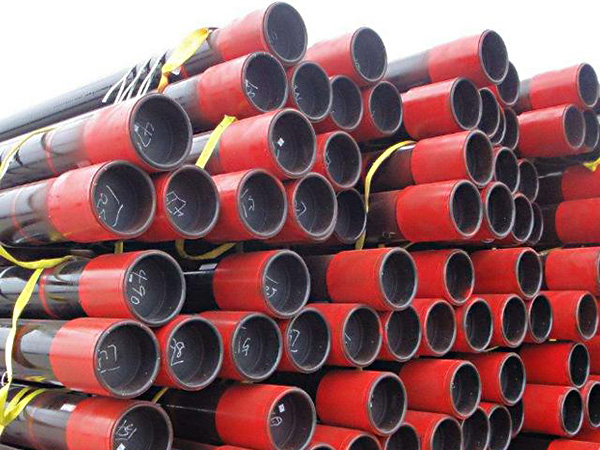
API 5ct R95 Casing China Best MakerNickel alloys play a crucial role in protecting oil equipment from corrosion in China. These alloys exhibit exceptional resistance to a wide range of corrosive environments, including acids, alkalis, and high temperatures. Nickel alloys are commonly used in oil refineries, chemical plants, and offshore platforms due to their superior corrosion resistance properties.
Titanium emerges as another top-rated corrosion-resistant material in China’s oil industry. Known for its outstanding strength-to-Weight ratio and resistance to corrosion, titanium finds applications in Oil and Gas production facilities. Its compatibility with seawater and aggressive chemicals makes it a valuable asset in challenging oil extraction environments.
Lastly, Fiber Reinforced Polymers (FRP) are gaining traction as corrosion-resistant materials in China’s oil industry. FRP materials offer high strength, durability, and corrosion resistance, making them suitable for various oil and gas applications. Their lightweight nature and ease of installation make FRP a cost-effective solution for combating corrosion in oil pipelines and storage tanks.
In conclusion, the use of top-rated corrosion-resistant materials is essential for maintaining the integrity and efficiency of China’s oil industry. Stainless steel, Duplex stainless steel, nickel alloys, titanium, and FRP materials play pivotal roles in safeguarding oil infrastructure from corrosion damage. By leveraging these advanced materials, China’s oil sector can enhance operational reliability and longevity amidst challenging environmental conditions.
Importance of Corrosion Protection in Oil Pipelines in China
China, as one of the world’s largest consumers of oil, places significant importance on the protection of its oil pipelines from corrosion. The country’s extensive network of pipelines plays a crucial role in ensuring the Smooth transportation of oil across vast distances. Corrosion, a natural process that deteriorates materials, poses a significant threat to the integrity and efficiency of these pipelines. In China, where the demand for oil contiNues to rise, the need for effective corrosion protection measures is more critical than ever.
To combat the detrimental effects of corrosion on oil pipelines, China has been at the forefront of developing and utilizing corrosion-resistant materials. These materials are specifically designed to withstand the harsh conditions to which oil pipelines are exposed, including varying temperatures, pressures, and corrosive substances. By incorporating corrosion-resistant materials into the Construction and maintenance of oil pipelines, China aims to prolong the lifespan of these vital infrastructures and ensure the safe and efficient transport of oil throughout the country.
The top-rated corrosion-resistant materials used in China’s oil pipelines are carefully selected based on their durability, reliability, and effectiveness in preventing corrosion. These materials undergo rigorous testing to ensure that they meet the highest standards of quality and performance. By investing in high-quality corrosion-resistant materials, China demonstrates its commitment to safeguarding its oil pipelines against the damaging effects of corrosion.
Among the top-rated corrosion-resistant materials used in China’s oil pipelines, stainless steel stands out as a popular choice due to its exceptional resistance to corrosion and ability to maintain structural integrity in challenging environments. Stainless Steel Pipelines offer superior protection against corrosion, making them a preferred option for transporting oil across long distances. Additionally, the versatility and longevity of stainless steel make it a cost-effective solution for ensuring the longevity of oil pipelines in China.
In addition to stainless steel, other corrosion-resistant materials such as epoxy coatings, polyethylene, and fiberglass reinforced Pipes are also widely used in China’s oil pipelines. These materials provide an additional layer of protection against corrosion, enhancing the overall durability and performance of the pipelines. By incorporating a combination of corrosion-resistant materials into the design and maintenance of oil pipelines, China minimizes the risk of corrosion-related failures and ensures the continuous operation of its Oil Transportation infrastructure.
In conclusion, the use of top-rated corrosion-resistant materials is of paramount importance in safeguarding China’s oil pipelines against corrosion. By investing in high-quality materials and implementing robust corrosion protection measures, China demonstrates its commitment to maintaining the integrity and efficiency of its oil transportation network. As the demand for oil continues to grow, the adoption of corrosion-resistant materials will play a crucial role in ensuring the reliability and sustainability of China’s oil pipelines for years to come.
Future Trends in Oil Line Corrosion-Resistant Materials in China
China has been a key player in the oil industry, with a growing demand for corrosion-resistant materials to ensure the longevity and safety of oil pipelines. In recent years, the focus on developing advanced materials that can withstand harsh environments and corrosive substances has become paramount. This shift towards innovation has led to the emergence of top-rated corrosion-resistant materials in China that are setting new standards in the industry.
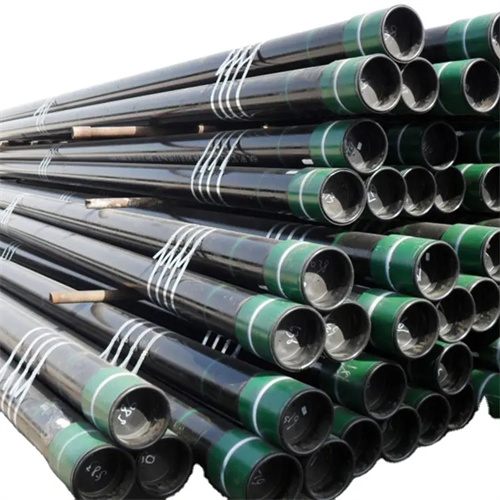
One of the top-rated materials in China for oil line corrosion resistance is stainless steel. Stainless steel is known for its exceptional durability and resistance to corrosion, making it an ideal choice for oil pipelines. Its ability to withstand high temperatures and pressures, along with its low maintenance requirements, has made it a popular choice among oil Companies in China.
Another prominent material in China’s arsenal of corrosion-resistant materials is Carbon steel with a protective coating. This combination offers a cost-effective solution that provides excellent corrosion resistance while maintaining structural integrity. The protective coating acts as a barrier against corrosive elements, ensuring the longevity of the oil pipelines.
In addition to stainless steel and carbon steel with protective coatings, China has been investing in the development of advanced polymer materials for oil line corrosion resistance. These polymer materials offer superior chemical resistance and flexibility, making them suitable for a wide range of operating conditions. The use of polymer materials in oil pipelines is gaining traction due to their ability to resist corrosion and reduce maintenance costs.
Furthermore, China has been exploring the use of composite materials for oil line corrosion resistance. Composites combine the strength and durability of different materials to create a corrosion-resistant solution that can withstand extreme conditions. By leveraging the unique properties of various materials, composite materials offer a versatile and effective solution for oil pipelines in China.
Lastly, China has been at the forefront of research and development in the field of nanotechnology for oil line corrosion resistance. Nanotechnology involves the manipulation of materials at the nanoscale to enhance their properties. By incorporating nanomaterials into coatings and protective layers, China is paving the way for highly effective corrosion-resistant solutions that can revolutionize the oil industry.
In conclusion, the future of oil line corrosion-resistant materials in China is promising, with a focus on innovation and sustainability. The top-rated materials mentioned above are just a glimpse of the advancements being made in the industry. As China continues to invest in research and development, we can expect to see even more groundbreaking materials that will shape the future of oil pipelines in the country.