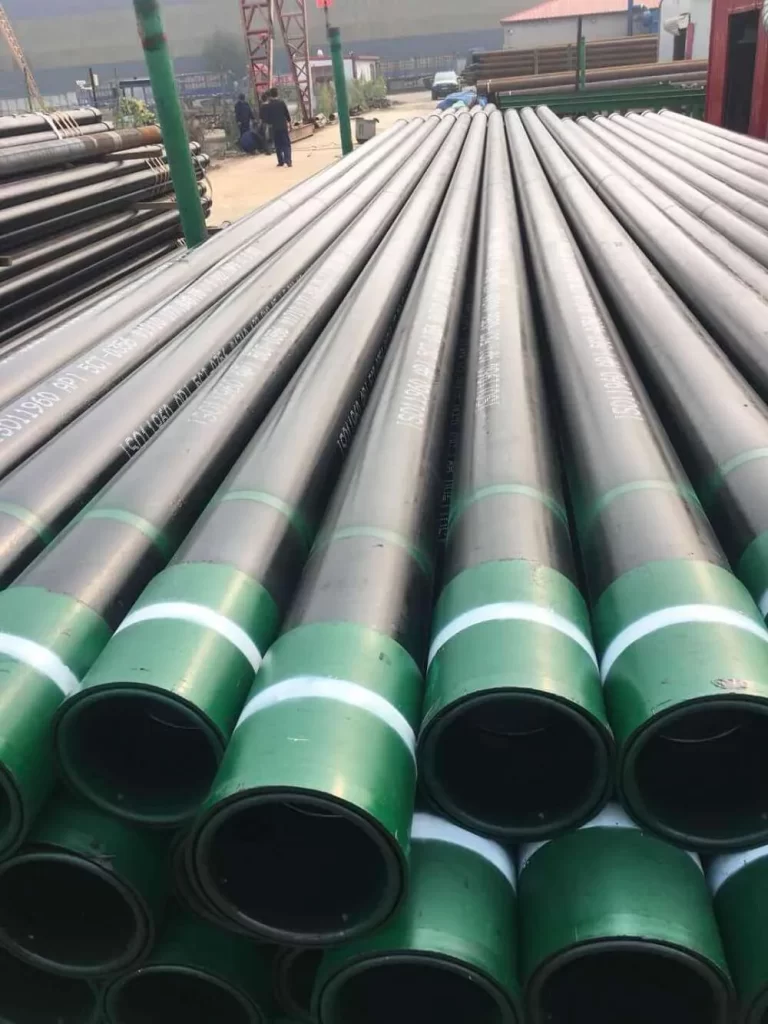
مزايا غلاف الزيت فائق القوة والمقاوم للتآكل في الحفر في أعماق البحار
ابتكارات في تكنولوجيا الحفر في أعماق البحار بمواد فائقة القوة
يمثل الحفر في أعماق البحار جبهة من التقدم التكنولوجي الحاسم لتلبية الطلب العالمي على الطاقة. ومع تضاؤل احتياطيات النفط التقليدية، تحولت جهود الاستكشاف نحو رواسب بحرية أعمق، مما استلزم ابتكارات في تكنولوجيا الحفر. ومن بين هذه الابتكارات، يبرز تطوير غلاف النفط فائق القوة والمقاوم للتآكل باعتباره تقدمًا محوريًا.
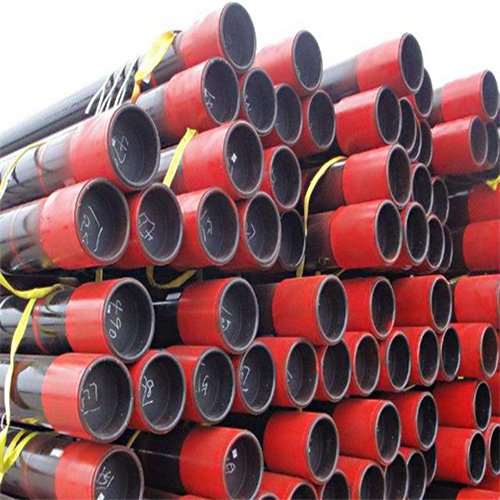
تركيب أنابيب النفط، إن تحديات الحفر في أعماق البحار هائلة. الأعماق التي تتجاوز آلاف الأمتار تعرض المعدات لضغوط شديدة، وبيئات مسببة للتآكل، وضغوط ميكانيكية. غالبًا ما تكافح المواد التقليدية لتحمل مثل هذه الظروف لفترات طويلة، مما يعرض السلامة والكفاءة التشغيلية للخطر. أدخل غلاف الزيت فائق القوة المقاوم للتآكل، وهو حل متطور تم تصميمه لمواجهة هذه التحديات بشكل شامل.
الفوائد البيئية والاقتصادية لاستخدام غلاف زيتي فائق القوة ومقاوم للتآكل
يمثل الحفر في أعماق البحار جبهة حاسمة في البحث عن موارد الطاقة، ولكنه يفرض أيضاً تحديات كبيرة، وخاصة فيما يتعلق بالتأثير البيئي والجدوى الاقتصادية. أحد الحلول الواعدة للتخفيف من هذه المخاوف يكمن في اعتماد تكنولوجيا غلاف الزيت فائقة القوة والمقاومة للتآكل. لا يعزز هذا الابتكار السلامة الهيكلية لعمليات الحفر فحسب، بل يوفر أيضًا فوائد بيئية واقتصادية كبيرة.
تقليديًا، اعتمد الحفر في أعماق البحار على مواد تقليدية للتغليف، والتي تكون عرضة للتآكل الناتج عن البيئات البحرية القاسية. ولا يؤثر هذا التآكل على طول عمر البنية التحتية للحفر فحسب، بل يشكل أيضًا مخاطر تسرب النفط والتلوث البيئي. وفي المقابل، تم تصميم مواد تغليف الزيت فائقة القوة والمقاومة للتآكل، مثل السبائك والمواد المركبة المتقدمة، لتحمل التأثيرات المسببة للتآكل لمياه البحر على مدى فترات طويلة. لا تعمل هذه المتانة على تعزيز سلامة وموثوقية عمليات الحفر فحسب، بل تقلل أيضًا من احتمالية وقوع حوادث بيئية.
علاوة على ذلك، فإن طول عمر غلاف الزيت فائق القوة المقاوم للتآكل يُترجم إلى فوائد اقتصادية كبيرة. ومن خلال تقليل تكرار استبدال الغلاف ووقت التوقف عن الصيانة، يمكن للمشغلين تحسين الكفاءة التشغيلية وتقليل التكاليف الإجمالية. يتم تعويض الاستثمار الأولي في هذه المواد المتقدمة من خلال عمر الخدمة الطويل وانخفاض تكاليف الصيانة لدورة الحياة، مما يجعلها خيارًا حكيمًا من الناحية المالية لمشاريع الحفر في أعماق البحار.
علاوة على ذلك، الفوائد البيئية لاستخدام غلاف الزيت فائق القوة والمقاوم للتآكل تمتد إلى ما هو أبعد من الوقاية من التآكل. تساهم هذه المواد في الكفاءة التشغيلية الشاملة من خلال تحسين سلامة البئر وتقليل مخاطر التسربات أو الانفجارات. لا يقلل هذا النهج الاستباقي من البصمة البيئية لأنشطة الحفر فحسب، بل يعزز أيضًا الامتثال التنظيمي ويعزز نهجًا أكثر استدامة لاستخراج الطاقة البحرية.
من منظور أوسع، يؤكد اعتماد مواد التغليف المتقدمة على الالتزام بممارسات استخراج الموارد المسؤولة. ومن خلال الاستثمار في التقنيات التي تخفف المخاطر البيئية وتعزز الكفاءة التشغيلية، يمكن لأصحاب المصلحة في صناعة النفط والغاز مواءمة أنشطتهم مع أهداف الاستدامة العالمية. لا يؤدي هذا الموقف الاستباقي إلى تعزيز سمعة الشركة فحسب، بل يضع الشركات أيضًا كشركة رائدة في تنمية الموارد الواعية بيئيًا.
بالإضافة إلى فوائدها الهيكلية والبيئية، تدعم مواد أغلفة الزيت فائقة القوة المقاومة للتآكل أيضًا الابتكار التكنولوجي داخل الصناعة. وتستمر جهود البحث والتطوير في تحسين أداء هذه المواد وفعاليتها من حيث التكلفة، مما يضمن التقدم المستمر في تكنولوجيا الحفر في أعماق البحار. لا يؤدي هذا الابتكار المستمر إلى تعزيز القدرة التنافسية فحسب، بل يسهل أيضًا الانتقال نحو ممارسات طاقة أكثر استدامة على نطاق عالمي.
في النهاية، يمثل اعتماد غلاف النفط فائق القوة المقاوم للتآكل خيارًا متفوقًا ومشرقًا لعمليات الحفر في أعماق البحار. ومن خلال تعزيز السلامة الهيكلية، وتقليل المخاطر البيئية، وتحسين الكفاءة الاقتصادية، تجسد هذه المواد المتقدمة نهج التفكير المستقبلي لاستخراج الطاقة البحرية. ومع استمرار الصناعة في التطور، فإن الاستفادة من الابتكارات التكنولوجية مثل غلاف الزيت فائق القوة المقاوم للتآكل سيكون ضروريًا في تعزيز التوازن المتناغم بين أمن الطاقة، والإشراف البيئي، والازدهار الاقتصادي في السنوات القادمة.
 At the heart of this innovation lies advanced Materials science. Engineers have leveraged state-of-the-art alloys and composites designed to offer unparalleled strength and durability. These materials not only withstand the corrosive effects of seawater and hydrocarbons but also maintain structural integrity under immense pressure. Such resilience extends operational lifespans and reduces downtime, crucial factors in the economically and environmentally sensitive realm of deep-sea drilling.
The deployment of ultra-strong materials in Oil Casing marks a transformative leap forward in offshore extraction technology. By enhancing reliability and longevity, these casings minimize the risk of catastrophic failures, ensuring safer operations for personnel and the environment alike. Moreover, their enhanced resistance to corrosion diminishes the need for frequent Maintenance interventions, thereby optimizing operational efficiency and reducing overall costs.
Innovations in material science have also facilitated the design of streamlined casing profiles, allowing for more efficient wellbore configurations. This optimization not only enhances drilling performance but also facilitates the extraction of hydrocarbons from increasingly complex reservoirs deep beneath the seabed. Such capabilities are crucial as energy Companies seek to access previously untapped reserves to meet growing global energy demands.
Furthermore, the adoption of ultra-strong corrosion-resistant oil casing underscores a commitment to sustainable energy practices. By prolonging the lifespan of drilling equipment and minimizing environmental impacts, these innovations align with broader industry efforts to mitigate the ecological footprint of offshore operations. This alignment is pivotal in navigating regulatory landscapes and fostering public trust in the energy sector’s ability to operate responsibly.
Looking ahead, ongoing research and development promise further refinements in material technology. Future iterations may yield even stronger, lighter, and more cost-effective solutions, ushering in new frontiers of efficiency and safety in deep-sea drilling. Such advancements are essential as the industry contiNues to push boundaries in search of energy security while navigating an evolving geopolitical and environmental landscape.
In conclusion, the integration of ultra-strong corrosion-resistant oil casing represents a paradigm shift in deep-sea drilling technology. By combining robust materials science with practical engineering solutions, this innovation enhances safety, efficiency, and environmental stewardship in offshore oil extraction. As global energy demands evolve, so too must the tools and techniques employed to access vital resources beneath the ocean floor. The journey towards sustainable energy futures is undoubtedly challenging, yet with each technological stride, the industry moves closer to achieving its goals responsibly and effectively.
Environmental and Economic Benefits of Using Ultra-Strong Corrosion-Resistant Oil Casing
Deep-sea drilling stands as a crucial frontier in the quest for energy resources, but it also poses significant challenges, particularly in terms of environmental impact and economic viability. One promising solution to mitigate these concerns lies in the adoption of ultra-strong corrosion-resistant oil casing technology. This innovation not only enhances the structural integrity of drilling operations but also offers substantial environmental and economic benefits.
Traditionally, deep-sea drilling has relied on conventional materials for casing, which are susceptible to corrosion from harsh marine environments. This corrosion not only compromises the longevity of drilling infrastructure but also poses risks of oil spills and environmental contamination. In contrast, ultra-strong corrosion-resistant Oil casing materials, such as advanced alloys and composites, are engineered to withstand the corrosive effects of seawater over extended periods. This durability not only enhances the safety and reliability of drilling operations but also reduces the likelihood of environmental incidents.
Furthermore, the longevity of ultra-strong corrosion-resistant oil casing translates into significant economic benefits. By reducing the frequency of casing replacement and maintenance downtime, operators can optimize operational efficiency and reduce overall costs. The initial investment in these advanced materials is offset by their extended service life and lower lifecycle maintenance expenses, making them a financially prudent choice for deep-sea drilling projects.
Moreover, the environmental benefits of using ultra-strong corrosion-resistant oil casing extend beyond corrosion prevention. These materials contribute to overall operational efficiency by improving well integrity and reducing the risk of leaks or blowouts. This proactive approach not only minimizes the environmental footprint of drilling activities but also enhances regulatory compliance and fosters a more sustainable approach to offshore energy extraction.
From a broader perspective, the adoption of advanced casing materials underscores a commitment to responsible resource extraction practices. By investing in technologies that mitigate environmental risks and enhance operational efficiency, stakeholders in the Oil and Gas industry can align their activities with global sustainability goals. This proactive stance not only enhances corporate reputation but also positions companies as leaders in environmentally conscious resource development.
In addition to their structural and environmental benefits, ultra-strong corrosion-resistant oil casing materials also support technological innovation within the industry. Research and development efforts continue to improve the performance and cost-effectiveness of these materials, ensuring ongoing advancements in deep-sea drilling technology. This continuous innovation not only drives competitiveness but also facilitates the transition towards more sustainable energy practices on a global scale.
Ultimately, the adoption of ultra-strong corrosion-resistant oil casing represents a radiant superior option for deep-sea drilling operations. By enhancing structural integrity, minimizing environmental risks, and optimizing economic efficiency, these advanced materials exemplify a forward-thinking approach to offshore energy extraction. As the industry continues to evolve, leveraging technological innovations like ultra-strong corrosion-resistant oil casing will be essential in fostering a harmonious balance between energy security, environmental stewardship, and economic prosperity in the years to come.