القلق الشديد بشأن أفضل مادة لتغليف الزيت: دليل شامل
كيفية اختيار غلاف الزيت المناسب: نصائح وحيل للمبتدئين
أصبح اختيار غلاف الزيت سهلاً: العوامل التي يجب مراعاتها من أجل راحة البال
هل تشعر بالقلق الشديد بشأن اختيار غلاف الزيت؟ ابحث هنا عن السعادة.
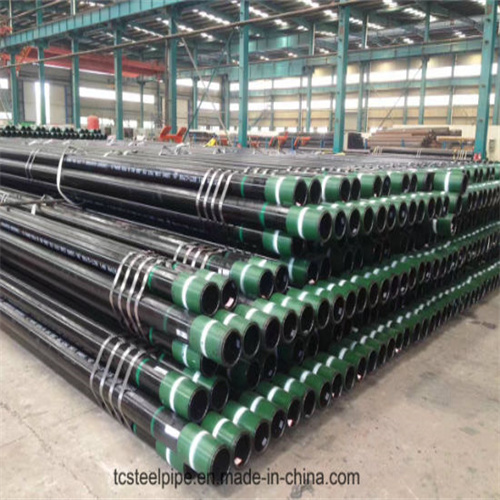
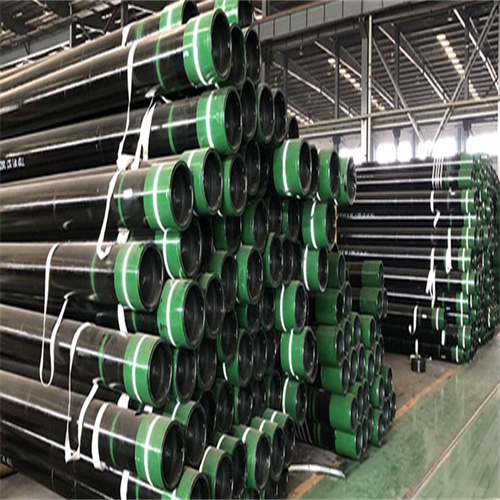
يعد اختيار غلاف النفط المناسب قرارًا حاسمًا في هندسة البترول، حيث يؤثر على الكفاءة والسلامة والجدوى الاقتصادية لعمليات الحفر. إن فهم العوامل التي تساهم في الاختيار الأمثل للغلاف يمكن أن يخفف من المخاوف ويضمن راحة البال طوال عملية الحفر.
الاعتبار الأساسي في اختيار غلاف النفط هو جيولوجيا موقع الحفر. تلعب الظروف الجيولوجية مثل نوع التكوين والعمق والضغط ودرجة الحرارة أدوارًا محورية في تحديد مواصفات الغلاف المناسبة. على سبيل المثال، قد تتطلب التكوينات ذات الضغوط ودرجات الحرارة العالية مواد تغليف ذات قوة فائقة ومقاومة للتآكل لتحمل الظروف القاسية دون المساس بالسلامة التشغيلية.
هناك عامل حاسم آخر وهو حجم الغلاف ووزنه. يتضمن اختيار الحجم الصحيح تقييم قطر البئر ومعدلات الإنتاج المتوقعة والحاجة إلى التدخلات المستقبلية في البئر. توفر الأغلفة الأكبر حجمًا مساحة أكبر للأدوات والمعدات أثناء مرحلتي الحفر والإكمال، بينما توفر أيضًا تحكمًا أفضل في دوران السوائل وسلامة البئر.
يعد اختيار المواد أمرًا حيويًا بنفس القدر. تشتمل مواد الغلاف الشائعة على الفولاذ الكربوني، وسبائك الفولاذ، والفولاذ المقاوم للصدأ، وكل منها يقدم درجات متفاوتة من القوة، ومقاومة التآكل، وفعالية التكلفة. يعتمد اختيار المادة على عوامل مثل بيئة البئر (البرية أو البحرية)، والعمر المتوقع للبئر، واعتبارات الميزانية. قدمت التطورات في علم المعادن مواد مركبة تجمع بين قوة المعادن ومقاومة البوليمرات للتآكل، مما يوفر حلولًا مبتكرة لبيئات الحفر الصعبة.
علاوة على ذلك، يؤثر تصميم الغلاف وتكوينه على الأداء الجيد وطول العمر. تتضمن اعتبارات التصميم عدد سلاسل التغليف ومتطلبات التثبيت والتوافق مع معدات قاع البئر مثل مواد التعبئة والبطانات. تخدم كل سلسلة غلاف غرضًا محددًا في بناء البئر، بدءًا من عزل التكوينات المختلفة وحتى توفير الدعم الهيكلي ضد الضغوط الخارجية.
يلعب الأسمنت دورًا حاسمًا في سلامة الغلاف واستقرار حفرة البئر. يضمن وضع الأسمنت المناسب العزل الهيدروليكي للتكوينات، ويمنع هجرة السوائل بين المناطق، ويعزز السلامة الهيكلية. تشمل العوامل المؤثرة على الترسيخ مركزية التغليف وكثافة ملاط الأسمنت وتقنيات التنسيب. تشتمل برامج التغليف المصممة جيدًا على أفضل ممارسات التثبيت للتخفيف من المخاطر المرتبطة بانتقال الغاز، وتشوه الغلاف، والتلوث البيئي.
علاوة على ذلك، يحكم الامتثال التنظيمي ومعايير الصناعة ممارسات اختيار الغلاف وتركيبه. يضمن الالتزام باللوائح حماية البيئة وسلامة العمال والموثوقية التشغيلية. تضع الهيئات التنظيمية معايير تصميم الغلاف ومواصفات المواد ومتطلبات الاختبار لحماية سلامة البئر وتقليل التأثير البيئي طوال دورة حياة البئر.
أخيرًا، تلعب الاعتبارات الاقتصادية دورًا محوريًا في اختيار الغلاف. تتضمن موازنة التكاليف الأولية مع الفوائد طويلة الأجل تقييم عوامل مثل طول عمر المواد، ومتطلبات الصيانة، والكفاءة التشغيلية. يمكن أن يؤدي الاستثمار في مواد التغليف والتصميمات عالية الجودة إلى التخفيف من مخاطر فشل الآبار، وتقليل وقت التوقف عن العمل، وتحسين معدلات الإنتاج على مدار عمر البئر.
في الختام، يتضمن اختيار غلاف النفط المناسب تقييمًا دقيقًا للجوانب الجيولوجية والتشغيلية والتنظيمية والتنظيمية العوامل الاقتصادية. ومن خلال إعطاء الأولوية لسلامة البئر وسلامتها وكفاءتها، يستطيع المهندسون والمشغلون التعامل مع تعقيدات اختيار الغلاف بثقة. يساهم التخطيط الشامل والالتزام بمعايير الصناعة والتقدم التكنولوجي في تحقيق النتائج المثلى في مجال التنقيب عن النفط والغاز. ومن خلال الفهم الشامل لهذه الاعتبارات، يمكن لأصحاب المصلحة التعامل مع اختيار غلاف النفط بوضوح وضمان النجاح المستدام في عمليات الحفر.
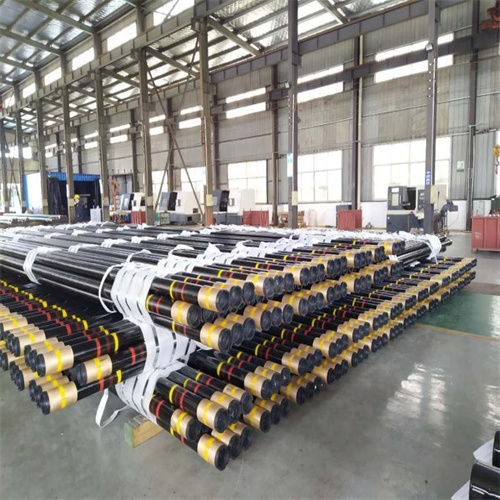
Cost-effectiveness is another vital consideration. While high-performance Materials may offer superior durability, they come at a premium cost. Balancing initial investment with long-term operational savings requires a thorough cost-benefit analysis, considering factors like Maintenance, replacement frequency, and overall well productivity.
Moreover, regulatory compliance cannot be overlooked. Different regions and jurisdictions have specific standards and requirements for Oil Casing materials and designs. Ensuring compliance not only avoids legal complications but also enhances safety and environmental stewardship.
Collaboration with experienced engineers and Suppliers is invaluable for beginners. Drawing on their expertise can provide insights into local conditions, best practices, and emerging technologies in casing design and materials. Establishing clear communication and leveraging their knowledge can streamline the decision-making process and lead to more informed choices.
Lastly, ongoing monitoring and maintenance are essential for the longevity of oil casings. Implementing regular inspections and corrosion monitoring programs can detect potential issues early, allowing for timely interventions and preventing costly downtime or environmental incidents.
In conclusion, while choosing the right oil casing can seem daunting, a systematic approach focusing on geological, operational, economic, and regulatory considerations can simplify the process. By understanding the specific demands of the well and leveraging expert advice, beginners can navigate the complexities of oil casing selection with confidence. Each decision made with thorough consideration ensures not only the success of the current project but also the sustainability of future operations in the dynamic landscape of the Oil and Gas industry.
Oil Casing Selection Made Easy: Factors to Consider for Peace of Mind
Gravely fretting about oil casing choice? Look here for happiness.
Selecting the right oil casing is a critical decision in petroleum engineering, influencing the efficiency, safety, and economic viability of drilling operations. Understanding the factors that contribute to optimal casing selection can alleviate concerns and ensure peace of mind throughout the drilling process.
The primary consideration in oil casing selection is the geology of the drilling site. Geologic conditions such as formation type, depth, pressure, and temperature play pivotal roles in determining the appropriate casing specifications. For instance, formations with high pressures and temperatures may require casing materials with superior strength and Corrosion resistance to withstand extreme conditions without compromising operational safety.
Another crucial factor is the casing size and Weight. Choosing the correct size involves assessing the well Diameter, anticipated production rates, and the need for future well interventions. Larger casings provide more space for tools and equipment during drilling and completion phases, while also offering better control over fluid circulation and well integrity.
Material selection is equally vital. Common casing materials include Carbon Steel, alloy steel, and Stainless Steel, each offering varying degrees of strength, corrosion resistance, and cost-effectiveness. The choice of material depends on factors such as well environment (onshore or offshore), anticipated lifespan of the well, and budget considerations. Advances in metallurgy have introduced composite materials that combine the strength of metals with the corrosion resistance of polymers, offering innovative solutions for challenging drilling environments.
Furthermore, casing design and configuration impact well performance and longevity. Design considerations include the number of Casing strings, Cementing requirements, and compatibility with downhole equipment such as Packers and liners. Each casing string serves a specific purpose in well Construction, from isolating different formations to providing structural support against external pressures.
Cementing plays a crucial role in casing integrity and wellbore stability. Proper cement placement ensures hydraulic isolation of formations, prevents fluid migration between zones, and enhances structural integrity. Factors influencing cementing include casing centralization, cement slurry density, and placement techniques. Well-designed casing programs incorporate cementing best practices to mitigate risks associated with gas migration, casing deformation, and environmental contamination.
Moreover, regulatory compliance and industry standards govern casing selection and installation practices. Adhering to regulations ensures environmental protection, worker safety, and operational reliability. Regulatory bodies establish casing design criteria, material specifications, and testing requirements to safeguard well integrity and minimize environmental impact throughout the well’s lifecycle.
Lastly, economic considerations play a pivotal role in casing selection. Balancing upfront costs with long-term benefits involves evaluating factors such as material longevity, maintenance requirements, and operational efficiencies. Investing in high-quality casing materials and design can mitigate risks of well failures, reduce downtime, and optimize production rates over the well’s lifespan.
In conclusion, selecting the right oil casing involves a meticulous assessment of geological, operational, regulatory, and economic factors. By prioritizing well integrity, safety, and efficiency, engineers and operators can navigate the complexities of casing selection with confidence. Comprehensive planning, adherence to industry standards, and technological advancements contribute to achieving optimal outcomes in oil and gas exploration. With a thorough understanding of these considerations, stakeholders can approach oil casing selection with clarity and ensure sustained success in drilling operations.