العوامل الأساسية التي يجب مراعاتها عند اختيار غلاف الزيت
يعد اختيار غلاف النفط المناسب أمرًا بالغ الأهمية لنجاح وكفاءة عمليات التنقيب عن النفط. إنه قرار يمكن أن يؤثر على كل شيء بدءًا من سلامة البئر وحتى معدلات الإنتاج. بالنسبة للعاملين في صناعة النفط، قد تبدو عملية اختيار الغلاف المناسب أمرًا شاقًا، ولكن مع الفهم الواضح للعوامل الرئيسية، تصبح مهمة يمكن التحكم فيها.
أحد الاعتبارات الأساسية عند اختيار غلاف النفط هو البيئة التي سيتم استخدامه. تتطلب التكوينات والظروف الجيولوجية المختلفة أنواعًا مختلفة من الغلاف لضمان الاستقرار ومنع الانهيار. على سبيل المثال، في التكوينات غير المستقرة والمعرضة للانهيارات، قد يكون من الضروري استخدام مواد غلاف أقوى وأكثر مرونة مثل الفولاذ عالي القوة. إن فهم التحديات الجيولوجية المحددة لموقع الحفر أمر ضروري لاتخاذ قرار مستنير.
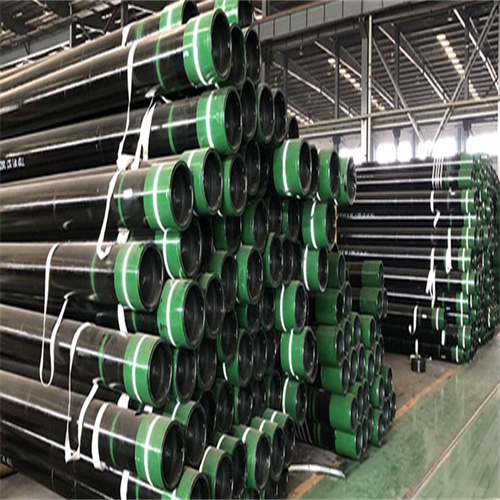
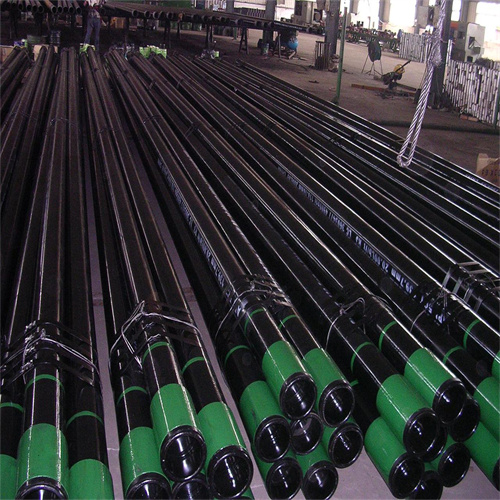
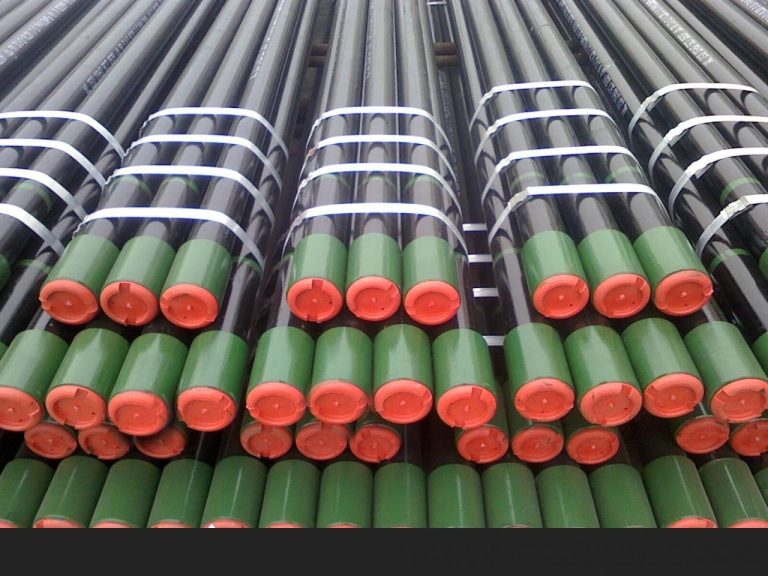
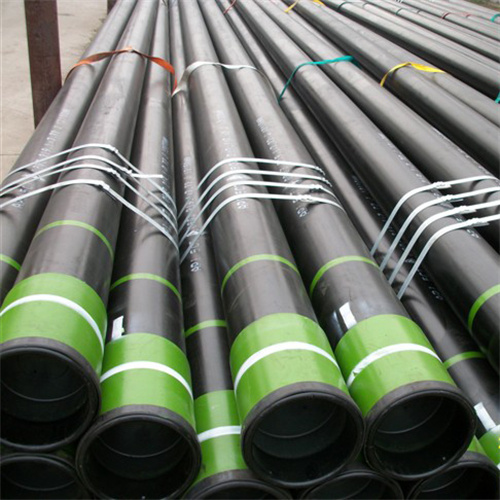
API 5ct Q125 Casing أفضل المصدرين الصينيين
كيفية تخفيف القلق عند اختيار خيارات غلاف الزيت
أهم النصائح لضمان راحة البال عند اتخاذ قرار بشأن غلاف الزيت
يعد اختيار غلاف النفط المناسب أمرًا بالغ الأهمية لضمان كفاءة آبار النفط وسلامتها وطول عمرها. إنه قرار يؤثر على دورة حياة بئر النفط بأكملها، بدءًا من الحفر وحتى الإنتاج وإيقاف التشغيل في نهاية المطاف. بالنسبة لأولئك العاملين في صناعة النفط والغاز، لا يمكن المبالغة في خطورة هذا القرار. يمكن أن يمثل اختيار الغلاف الصحيح الفرق بين العمليات السلسة والنكسات المكلفة.
في البداية، يعد فهم أنواع أغلفة الزيت المتوفرة أمرًا ضروريًا. تأتي الأغلفة في مواد مختلفة مثل الفولاذ والمواد المركبة وحتى اللدائن الحرارية، وكل منها يقدم مزايا مميزة اعتمادًا على الاحتياجات المحددة للبئر. يظل الفولاذ خيارًا شائعًا نظرًا لقوته ومتانته، وهو أمر ضروري للآبار العميقة والبيئات ذات الضغوط ودرجات الحرارة المرتفعة. من ناحية أخرى، تكتسب المواد المركبة قوة جذب لمقاومتها للتآكل وقدرتها على تقليل وزن الغلاف، مما قد يؤدي إلى خفض تكاليف الحفر وتحسين الكفاءة التشغيلية.
ومن المهم بنفس القدر اختيار درجة الغلاف المناسبة. يتم تصنيف الأغلفة حسب قوتها، والتي يُشار إليها عادةً بدرجات مثل H40، J55، K55، N80، وغيرها، والتي تعكس قوة إنتاجها وملاءمتها لظروف البئر المختلفة. يتضمن اختيار الدرجة المناسبة تقييم عوامل مثل عمق البئر، وضغط الخزان، والخصائص المسببة للتآكل للسوائل التي يتم استخراجها. على سبيل المثال، تتطلب الآبار المعرضة لبيئات الضغط العالي أغلفة ذات قوة إنتاجية أعلى لتحمل القوى المبذولة.
علاوة على ذلك، غالبًا ما يتم تجاهل تصميم ومواصفات الوصلات بين الأغلفة من الجوانب الحاسمة. تضمن سلامة هذه الوصلات أن تعمل سلسلة الغلاف بأكملها كوحدة متماسكة، قادرة على تحمل الضغوط التي تمت مواجهتها أثناء مراحل الحفر والإكمال والإنتاج. يمكن أن تؤدي التوصيلات سيئة التصميم أو غير الكافية إلى حدوث تسربات وفشل في الغلاف وإجراء إصلاحات أو جهود إصلاح مكلفة.
بالإضافة إلى الاعتبارات الفنية، يجب الالتزام الصارم بالتوافق التنظيمي. لدى المناطق والولايات القضائية المختلفة معايير ولوائح مختلفة تحكم اختيار وتركيب وتشغيل أغلفة النفط. لا يضمن الامتثال الالتزام القانوني فحسب، بل يعزز أيضًا الإشراف البيئي وسلامة المجتمع، وهي جوانب حاسمة في صناعة النفط والغاز الحديثة.
علاوة على ذلك، فإن إشراك الموردين والمقاولين ذوي الخبرة والمعرفة أمر لا يقدر بثمن. تضمن الشراكة مع الشركات المصنعة ومقدمي الخدمات ذوي السمعة الطيبة الوصول إلى منتجات عالية الجودة ومشورة الخبراء والدعم الموثوق طوال دورة حياة الغلاف بدءًا من الشراء والتركيب وحتى الصيانة والتقاعد النهائي. تعزز هذه الشراكات نهجًا تعاونيًا، حيث تتحد خبرة الصناعة مع الرؤى التشغيلية لتحسين أداء التغليف وتخفيف المخاطر بشكل فعال.
أخيرًا، تعد المراقبة والتقييم المستمر لأداء الغلاف أمرًا ضروريًا للصيانة الاستباقية والكشف المبكر عن المشكلات المحتملة. تلعب التقنيات مثل أدوات فحص الغلاف وأنظمة مراقبة التآكل أدوارًا محورية في تقييم سلامة الغلاف وتحديد مجالات التحسين أو المعالجة. تتيح عمليات التفتيش المنتظمة، إلى جانب التحليل المبني على البيانات، للمشغلين اتخاذ قرارات مستنيرة تعمل على تعزيز السلامة والكفاءة وإنتاجية البئر بشكل عام. والامتثال وشراكات الموردين والمراقبة المستمرة يمكن أن تخفف من حالات عدم اليقين وتضمن راحة البال. تساهم كل نقطة قرار في دورة حياة الغلاف في الموثوقية والربحية الشاملة لآبار النفط. من خلال تحديد أولويات هذه العوامل والبقاء على اطلاع بالتطورات في تكنولوجيا التغليف وأفضل ممارسات الصناعة، يمكن لأصحاب المصلحة التعامل مع تعقيدات قرارات تغليف النفط بثقة وتحقيق نجاح تشغيلي مستدام.
Top Tips for Ensuring Peace of Mind with Your Oil Casing Decision
Choosing the right oil casing is crucial for ensuring the efficiency, safety, and longevity of Oil Wells. It’s a decision that impacts the entire lifecycle of an oil well, from drilling to production and eventual decommissioning. For tHose involved in the Oil and Gas industry, the gravity of this decision cannot be overstated. The right casing choice can mean the Difference between Smooth operations and costly setbacks.
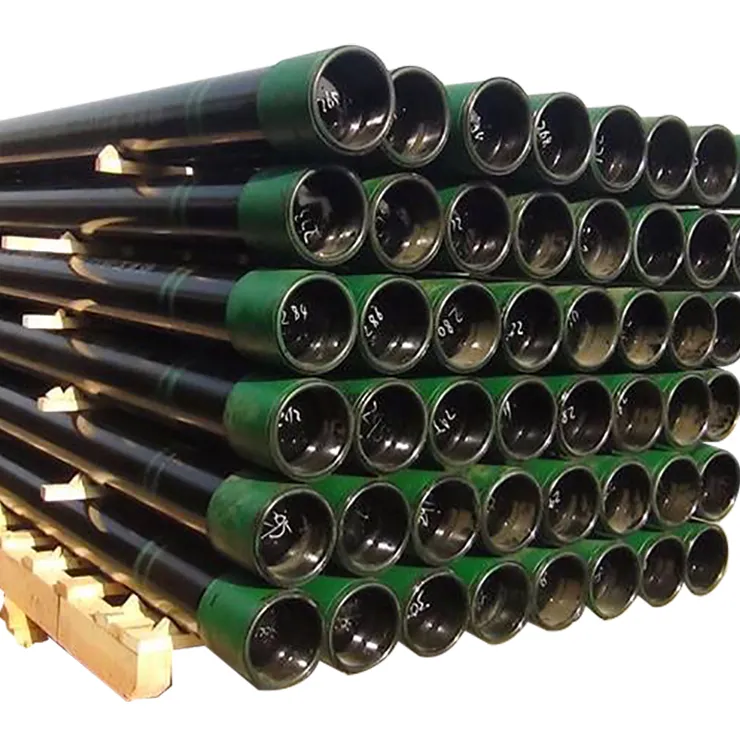 To begin with, understanding the types of oil casings available is essential. Casings come in various Materials such as Steel, composite materials, and even thermoplastics, each offering distinct advantages depending on the specific needs of the well. Steel remains a popular choice due to its strength and durability, crucial for deep wells and environments with high pressures and temperatures. Composite materials, on the other hand, are gaining traction for their Corrosion resistance and ability to reduce casing Weight, potentially lowering drilling costs and improving operational efficiency.
Equally important is selecting the appropriate casing grade. Casings are classified by their strength, typically denoted by grades such as H40, J55, K55, N80, and others, which reflect their yield strength and suitability for different well conditions. Choosing the right grade involves assessing factors like well depth, reservoir pressure, and the corrosive properties of the fluids being extracted. For instance, wells subjected to high-pressure environments require casings with higher yield strengths to withstand the forces exerted.
Furthermore, the design and specification of Connections between casings are critical aspects often overlooked. The integrity of these connections ensures the entire Casing string functions as a cohesive unit, capable of withstanding the stresses encountered during drilling, completion, and production phases. Poorly designed or inadequate connections can lead to leaks, casing failures, and costly Repairs or remediation efforts.
In addition to technical considerations, regulatory compliance must be adhered to strictly. Different regions and jurisdictions have varying standards and regulations governing the selection, installation, and operation of oil casings. Compliance ensures not only legal adherence but also promotes environmental stewardship and community safety, crucial aspects in the modern oil and gas industry.
Moreover, engaging experienced and knowledgeable Suppliers and contractors is invaluable. Partnering with reputable Manufacturers and service providers ensures access to quality products, expert advice, and reliable support throughout the casing lifecycle—from procurement and installation to Maintenance and eventual retirement. These partnerships foster a collaborative approach, where industry expertise combines with operational insights to optimize casing performance and mitigate risks effectively.
Lastly, continuous monitoring and evaluation of casing performance are essential for proactive maintenance and early detection of potential issues. Technologies such as casing inspection tools and corrosion monitoring systems play pivotal roles in assessing casing integrity and identifying areas for improvement or remediation. Regular inspections, coupled with data-driven analysis, enable operators to make informed decisions that enhance safety, efficiency, and overall well productivity.
In conclusion, while the selection of oil casings may appear daunting, thorough consideration of material, grade, design, compliance, supplier partnerships, and ongoing monitoring can mitigate uncertainties and ensure peace of mind. Each decision point in the casing lifecycle contributes to the overall reliability and profitability of oil wells. By prioritizing these factors and staying informed about advancements in casing technology and industry best practices, stakeholders can navigate the complexities of oil casing decisions with confidence and achieve sustainable operational success.