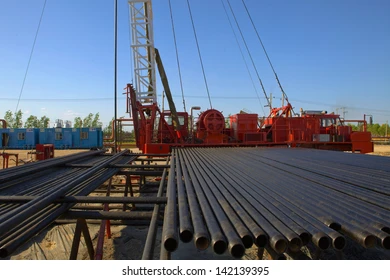
সঠিক তেল আবরণ নির্বাচন করা তেল ড্রিলিং অপারেশনের সাফল্য এবং দক্ষতার জন্য গুরুত্বপূর্ণ। এটি এমন একটি সিদ্ধান্ত যা ভাল সততা থেকে উৎপাদন হার পর্যন্ত সবকিছুকে প্রভাবিত করতে পারে। তেল শিল্পের সাথে জড়িতদের জন্য, উপযুক্ত আবরণ নির্বাচন করার প্রক্রিয়াটি কঠিন বলে মনে হতে পারে, কিন্তু মূল বিষয়গুলির স্পষ্ট বোঝার সাথে, এটি একটি পরিচালনাযোগ্য কাজ হয়ে ওঠে। এটি ব্যবহার করা হবে। বিভিন্ন ভূতাত্ত্বিক গঠন এবং অবস্থার স্থিতিশীলতা নিশ্চিত করতে এবং পতন রোধ করতে বিভিন্ন ধরনের আবরণ প্রয়োজন। উদাহরণস্বরূপ, গুহা-ইনগুলির প্রবণ অস্থির গঠনগুলিতে, উচ্চ-শক্তির ইস্পাত-এর মতো শক্তিশালী এবং আরও স্থিতিস্থাপক আবরণ সামগ্রীর প্রয়োজন হতে পারে। ড্রিলিং সাইটের নির্দিষ্ট ভূতাত্ত্বিক চ্যালেঞ্জগুলি বোঝা একটি অবগত পছন্দ করার জন্য অপরিহার্য৷
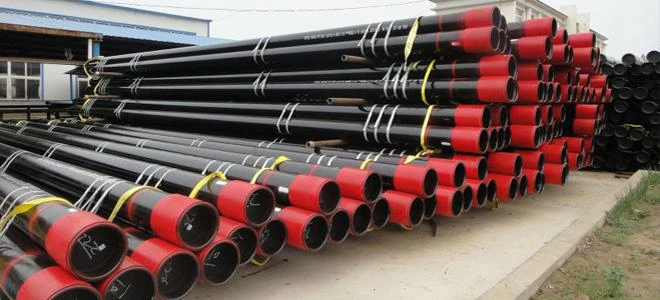
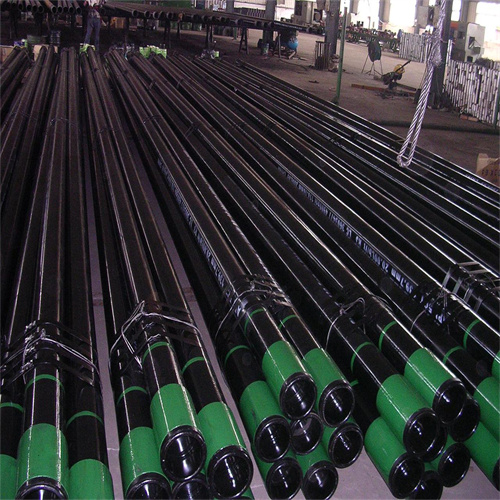
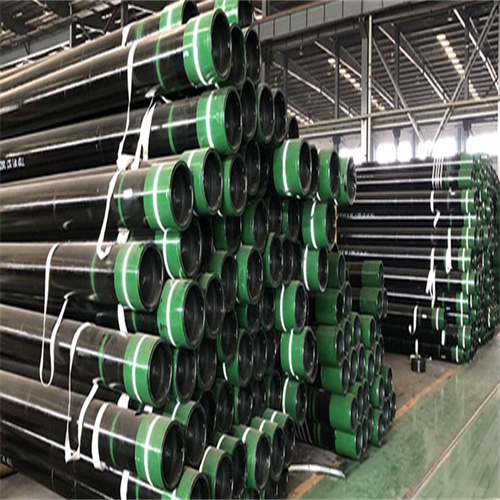
API 5ct Q125 কেসিং সেরা চীন রপ্তানিকারকদের
কিভাবে তেল আবরণ বিকল্প নির্বাচন করার সময় উদ্বেগ উপশম
আপনার তেল আবরণ সিদ্ধান্তের সাথে মনের শান্তি নিশ্চিত করার জন্য শীর্ষ টিপস
তৈল কূপের দক্ষতা, নিরাপত্তা এবং দীর্ঘায়ু নিশ্চিত করার জন্য সঠিক তেলের আবরণ নির্বাচন করা অত্যন্ত গুরুত্বপূর্ণ। এটি এমন একটি সিদ্ধান্ত যা একটি তেল কূপের সমগ্র জীবনচক্রকে প্রভাবিত করে, ড্রিলিং থেকে উৎপাদন এবং শেষ পর্যন্ত ডিকমিশন করা পর্যন্ত। তেল ও গ্যাস শিল্পের সাথে জড়িতদের জন্য, এই সিদ্ধান্তের মাধ্যাকর্ষণকে অতিরিক্ত বলা যাবে না। সঠিক আবরণ পছন্দ মসৃণ অপারেশন এবং ব্যয়বহুল বিপত্তির মধ্যে পার্থক্য বোঝাতে পারে।
শুরুতে, উপলব্ধ তেলের খাপের ধরন বোঝা অপরিহার্য। কেসিংগুলি বিভিন্ন উপকরণে আসে যেমন ইস্পাত, যৌগিক উপকরণ এবং এমনকি থার্মোপ্লাস্টিক, প্রতিটি কূপের নির্দিষ্ট চাহিদার উপর নির্ভর করে স্বতন্ত্র সুবিধা প্রদান করে। ইস্পাত তার শক্তি এবং স্থায়িত্বের কারণে একটি জনপ্রিয় পছন্দ হিসাবে রয়ে গেছে, গভীর কূপ এবং উচ্চ চাপ এবং তাপমাত্রা সহ পরিবেশের জন্য গুরুত্বপূর্ণ। অন্যদিকে, যৌগিক উপাদানগুলি তাদের জারা প্রতিরোধ ক্ষমতা এবং কেসিংয়ের ওজন কমানোর ক্ষমতার জন্য ট্র্যাকশন অর্জন করছে, সম্ভাব্য ড্রিলিং খরচ কমিয়েছে এবং অপারেশনাল দক্ষতার উন্নতি করছে।
সমান গুরুত্বপূর্ণ হল উপযুক্ত কেসিং গ্রেড নির্বাচন করা। কেসিংগুলি তাদের শক্তি দ্বারা শ্রেণীবদ্ধ করা হয়, সাধারণত H40, J55, K55, N80 এবং অন্যান্য গ্রেড দ্বারা চিহ্নিত করা হয়, যা বিভিন্ন ভাল অবস্থার জন্য তাদের ফলনের শক্তি এবং উপযুক্ততা প্রতিফলিত করে। সঠিক গ্রেড বেছে নেওয়ার মধ্যে রয়েছে কূপের গভীরতা, জলাধারের চাপ এবং নিষ্কাশন করা তরলগুলির ক্ষয়কারী বৈশিষ্ট্যগুলির মতো বিষয়গুলি মূল্যায়ন করা। উদাহরণস্বরূপ, উচ্চ-চাপের পরিবেশের অধীন কূপগুলিতে প্রয়োগ করা শক্তিগুলিকে প্রতিরোধ করার জন্য উচ্চ ফলন শক্তি সহ ক্যাসিংয়ের প্রয়োজন হয়৷ এই সংযোগগুলির অখণ্ডতা একটি সমন্বয়কারী ইউনিট হিসাবে সমগ্র কেসিং স্ট্রিং ফাংশনগুলিকে নিশ্চিত করে, ড্রিলিং, সমাপ্তি এবং উত্পাদন পর্যায়গুলির সময় সম্মুখীন হওয়া চাপগুলি সহ্য করতে সক্ষম। খারাপভাবে ডিজাইন করা বা অপর্যাপ্ত সংযোগগুলি লিক, কেসিং ব্যর্থতা এবং ব্যয়বহুল মেরামত বা প্রতিকার প্রচেষ্টার দিকে পরিচালিত করতে পারে।
প্রযুক্তিগত বিবেচনার পাশাপাশি, নিয়ন্ত্রক সম্মতি অবশ্যই কঠোরভাবে মেনে চলতে হবে। বিভিন্ন অঞ্চল এবং বিচারব্যবস্থায় তেলের আবরণ নির্বাচন, ইনস্টলেশন এবং অপারেশন পরিচালনার জন্য বিভিন্ন মান এবং প্রবিধান রয়েছে। সম্মতি শুধুমাত্র আইনি আনুগত্যই নিশ্চিত করে না বরং পরিবেশগত স্টুয়ার্ডশিপ এবং সম্প্রদায়ের নিরাপত্তা, আধুনিক তেল ও গ্যাস শিল্পের গুরুত্বপূর্ণ দিকগুলিকেও প্রচার করে। নামীদামী নির্মাতা এবং পরিষেবা প্রদানকারীদের সাথে অংশীদারিত্ব নিশ্চিত করে মানসম্পন্ন পণ্যের অ্যাক্সেস, বিশেষজ্ঞের পরামর্শ এবং কেসিং লাইফসাইকেল জুড়ে নির্ভরযোগ্য সমর্থন— সংগ্রহ এবং ইনস্টলেশন থেকে রক্ষণাবেক্ষণ এবং শেষ অবসর পর্যন্ত। এই অংশীদারিত্বগুলি একটি সহযোগিতামূলক পদ্ধতির উদ্রেক করে, যেখানে কেসিং কর্মক্ষমতা অপ্টিমাইজ করতে এবং কার্যকরভাবে ঝুঁকি কমানোর জন্য শিল্পের দক্ষতা অপারেশনাল অন্তর্দৃষ্টির সাথে একত্রিত হয়। কেসিং পরিদর্শন সরঞ্জাম এবং জারা পর্যবেক্ষণ সিস্টেমের মতো প্রযুক্তিগুলি কেসিংয়ের অখণ্ডতা মূল্যায়ন এবং উন্নতি বা প্রতিকারের জন্য ক্ষেত্রগুলি চিহ্নিত করতে প্রধান ভূমিকা পালন করে। নিয়মিত পরিদর্শন, ডেটা-চালিত বিশ্লেষণের সাথে মিলিত, অপারেটরদের সচেতন সিদ্ধান্ত নিতে সক্ষম করে যা নিরাপত্তা, দক্ষতা এবং সামগ্রিকভাবে ভাল উত্পাদনশীলতা বাড়ায়। , সম্মতি, সরবরাহকারী অংশীদারিত্ব, এবং চলমান পর্যবেক্ষণ অনিশ্চয়তা প্রশমিত করতে পারে এবং মানসিক শান্তি নিশ্চিত করতে পারে। কেসিং লাইফসাইকেলের প্রতিটি সিদ্ধান্ত বিন্দু তেলের কূপের সামগ্রিক নির্ভরযোগ্যতা এবং লাভজনকতায় অবদান রাখে। এই বিষয়গুলিকে অগ্রাধিকার দিয়ে এবং কেসিং প্রযুক্তি এবং শিল্পের সর্বোত্তম অনুশীলনের অগ্রগতি সম্পর্কে অবগত থাকার মাধ্যমে, স্টেকহোল্ডাররা আস্থার সাথে তেল আবরণ সংক্রান্ত সিদ্ধান্তের জটিলতাগুলি নেভিগেট করতে পারে এবং টেকসই অপারেশনাল সাফল্য অর্জন করতে পারে।
When faced with the task of selecting Oil Casing options, the stakes are undeniably high. The choice of casing plays a critical role in the success and longevity of Oil Wells, impacting everything from operational efficiency to environmental impact. It’s natural, therefore, for decision-Makers in the Oil and Gas industry to feel a sense of anxiety and pressure when making these decisions.
One of the primary concerns in selecting oil casing is ensuring the casing’s integrity and durability. The casing serves as a primary barrier between the wellbore and the surrounding geological formations, preventing leaks and maintaining well stability. This aspect alone underscores the importance of choosing Materials and designs that can withstand the harsh conditions of drilling and production.
Anxiety often stems from uncertainty about which casing material and specifications are best suited for specific well conditions. Factors such as well depth, formation pressures, temperature variations, and corrosive environments all influence the choice of casing. Engineers and operators must carefully evaluate these factors to mitigate risks and ensure optimal performance over the well’s lifespan.
To alleviate anxiety in the decision-making process, thorough research and consultation with experts are paramount. Leveraging data from previous projects and conducting detailed analyses of well conditions can provide valuable insights. Collaborating with geoscientists and metallurgists can help in understanding the geological and chemical challenges the casing will encounter.
Furthermore, advancements in technology offer a range of innovative casing solutions designed to address specific challenges. High-performance materials like corrosion-resistant alloys (CRAs) and advanced composite materials are increasingly being utilized to enhance durability and reduce Maintenance costs. Understanding the capabilities and limitations of these materials is crucial in making informed decisions.
In addition to technical considerations, regulatory compliance and environmental impact must also be carefully evaluated. Casing design should adhere to industry standards and regulations to ensure safety and operational compliance. Environmental assessments can guide decisions regarding casing materials and practices that minimize ecological footprint and promote sustainable operations.
Beyond technical and regulatory aspects, effective communication and collaboration within multidisciplinary teams can significantly reduce anxiety in casing selection. Engaging stakeholders early in the decision-making process fosters alignment and consensus on priorities and objectives. Clear communication of risks and benefits associated with different casing options enables informed decision-making and enhances confidence in the cHosen solution.
Finally, ongoing monitoring and evaluation during well operations are critical to validating the effectiveness of the chosen casing strategy. Real-time data analytics and predictive modeling can detect potential issues early, allowing for proactive adjustments and maintenance interventions.
In conclusion, while the task of selecting oil casing options may initially evoke anxiety, a systematic approach grounded in technical expertise, collaboration, and innovation can mitigate uncertainties. By leveraging comprehensive data, engaging with specialists, and prioritizing compliance and sustainability, decision-makers can navigate this critical decision-making process with confidence. Embracing advancements in materials and technologies ensures that oil wells not only meet operational requirements but also contribute to efficient and sustainable resource extraction practices.
Top Tips for Ensuring Peace of Mind with Your Oil Casing Decision
Choosing the right oil casing is crucial for ensuring the efficiency, safety, and longevity of oil wells. It’s a decision that impacts the entire lifecycle of an oil well, from drilling to production and eventual decommissioning. For those involved in the oil and gas industry, the gravity of this decision cannot be overstated. The right casing choice can mean the Difference between Smooth operations and costly setbacks.
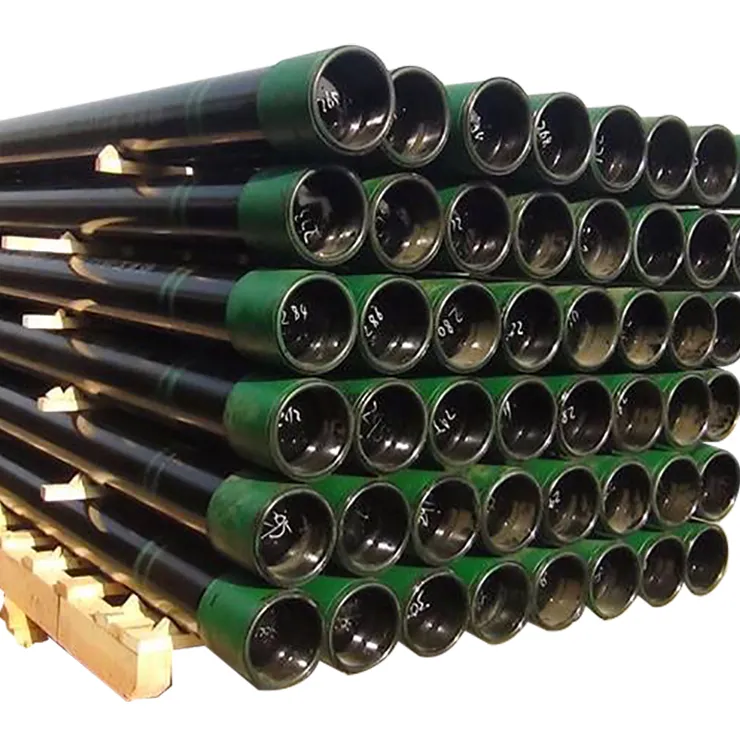 To begin with, understanding the types of oil casings available is essential. Casings come in various materials such as Steel, composite materials, and even thermoplastics, each offering distinct advantages depending on the specific needs of the well. Steel remains a popular choice due to its strength and durability, crucial for deep wells and environments with high pressures and temperatures. Composite materials, on the other hand, are gaining traction for their Corrosion resistance and ability to reduce casing Weight, potentially lowering drilling costs and improving operational efficiency.
Equally important is selecting the appropriate casing grade. Casings are classified by their strength, typically denoted by grades such as H40, J55, K55, N80, and others, which reflect their yield strength and suitability for different well conditions. Choosing the right grade involves assessing factors like well depth, reservoir pressure, and the corrosive properties of the fluids being extracted. For instance, wells subjected to high-pressure environments require casings with higher yield strengths to withstand the forces exerted.
Furthermore, the design and specification of Connections between casings are critical aspects often overlooked. The integrity of these connections ensures the entire Casing string functions as a cohesive unit, capable of withstanding the stresses encountered during drilling, completion, and production phases. Poorly designed or inadequate connections can lead to leaks, casing failures, and costly Repairs or remediation efforts.
In addition to technical considerations, regulatory compliance must be adhered to strictly. Different regions and jurisdictions have varying standards and regulations governing the selection, installation, and operation of oil casings. Compliance ensures not only legal adherence but also promotes environmental stewardship and community safety, crucial aspects in the modern oil and gas industry.
Moreover, engaging experienced and knowledgeable Suppliers and contractors is invaluable. Partnering with reputable Manufacturers and service providers ensures access to quality products, expert advice, and reliable support throughout the casing lifecycle\—from procurement and installation to maintenance and eventual retirement. These partnerships foster a collaborative approach, where industry expertise combines with operational insights to optimize casing performance and mitigate risks effectively.
Lastly, continuous monitoring and evaluation of casing performance are essential for proactive maintenance and early detection of potential issues. Technologies such as casing inspection tools and corrosion monitoring systems play pivotal roles in assessing casing integrity and identifying areas for improvement or remediation. Regular inspections, coupled with data-driven analysis, enable operators to make informed decisions that enhance safety, efficiency, and overall well productivity.
In conclusion, while the selection of oil casings may appear daunting, thorough consideration of material, grade, design, compliance, supplier partnerships, and ongoing monitoring can mitigate uncertainties and ensure peace of mind. Each decision point in the casing lifecycle contributes to the overall reliability and profitability of oil wells. By prioritizing these factors and staying informed about advancements in casing technology and industry best practices, stakeholders can navigate the complexities of oil casing decisions with confidence and achieve sustainable operational success.