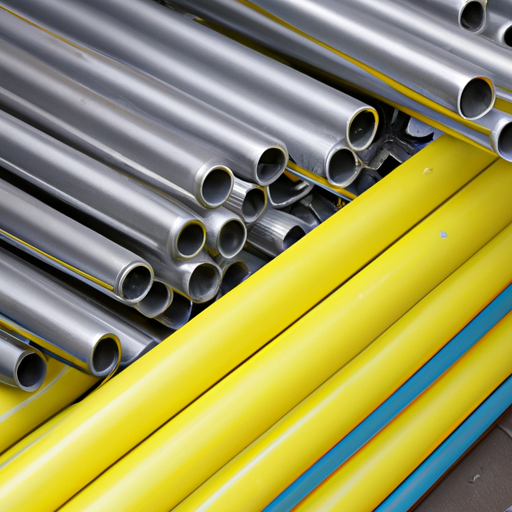
أهم التقنيات لمنع تسرب غلاف الزيت
علاوة على ذلك، تلعب استراتيجيات المراقبة والصيانة الاستباقية دورًا محوريًا في منع تسرب الغلاف طوال العمر التشغيلي للبئر. تتيح فترات الفحص المنتظمة باستخدام أدوات التسجيل المتقدمة في قاع البئر للمشغلين اكتشاف العلامات المبكرة للتآكل أو التلف الميكانيكي أو التدهور في سلامة الغلاف. يمكن أن يؤدي استخدام مثبطات التآكل والطلاءات الواقية إلى إطالة عمر خدمة مكونات الغلاف، مما يقلل من احتمالية التسربات ويقلل التأثير البيئي.
تستمر التقنيات المبتكرة في إحداث ثورة في مجال سلامة أغلفة الزيت. على سبيل المثال، يسمح ظهور أنظمة الإنجاز الذكية وأجهزة استشعار المراقبة في الوقت الفعلي بالمراقبة المستمرة لظروف الغلاف والاستجابة الفورية للتهديدات المحتملة. توفر هذه التقنيات بيانات قابلة للتنفيذ تمكن المشغلين من اتخاذ قرارات مستنيرة بسرعة، وتخفيف المخاطر وتحسين الكفاءة التشغيلية.
أخيرًا، يعد تعزيز ثقافة السلامة والإشراف البيئي داخل الصناعة أمرًا ضروريًا لممارسات سلامة الغلاف المستدامة. برامج التدريب التي تؤكد على تقنيات التثبيت المناسبة وإجراءات الصيانة وبروتوكولات الاستجابة للطوارئ تمكن الموظفين من الحفاظ على أعلى معايير سلامة الغلاف وحماية البيئة.
في الختام، يتطلب منع تسرب غلاف الزيت اتباع نهج متعدد الأوجه يدمج التقنيات المتقدمة والتخطيط الدقيق، وتدابير صارمة لمراقبة الجودة. من خلال الالتزام بهذه التقنيات العليا – تصميم الغلاف الدقيق، وممارسات التثبيت المتقدمة، وضمان الجودة الصارمة، والمراقبة الاستباقية، وتبني التقنيات المبتكرة – يمكن للصناعة التخفيف بشكل فعال من مخاطر تسرب الغلاف، وضمان عمليات استخراج النفط الآمنة والمستدامة للأجيال القادمة.
Thirdly, rigorous quality assurance and control protocols during Casing installation are imperative. This includes comprehensive inspection of casing joints, Connections, and Seals to detect any defects or potential areas of weakness before they escalate into Leakage points. Non-destructive testing methods such as electromagnetic inspection and ultrasonic testing are invaluable in assessing the integrity of Casing strings, identifying flaws, and verifying the effectiveness of cement bonding.
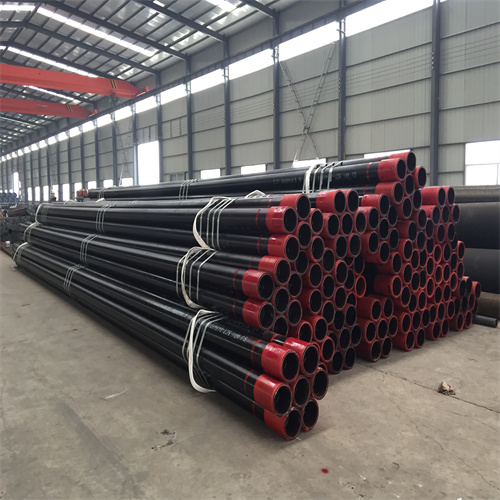
Furthermore, proactive monitoring and Maintenance strategies play a pivotal role in preventing casing leakage throughout the operational lifespan of the well. Regular inspection intervals using advanced downhole logging tools enable operators to detect early signs of corrosion, mechanical damage, or degradation in casing integrity. Implementing corrosion inhibitors and protective coatings can further extend the service life of casing components, reducing the likelihood of leaks and minimizing environmental impact.
Innovative technologies contiNue to revolutionize the field of Oil Casing integrity. For instance, the advent of intelligent completion systems and real-time monitoring sensors allows for continuous surveillance of casing conditions and immediate response to potential threats. These technologies provide actionable data that enable operators to make informed decisions swiftly, mitigating risks and optimizing operational efficiency.
Lastly, fostering a culture of safety and environmental stewardship within the industry is essential for sustainable casing integrity practices. Training programs that emphasize proper installation techniques, maintenance procedures, and emergency response protocols empower personnel to uphold the highest standards of casing integrity and environmental protection.
In conclusion, preventing oil casing leakage demands a multifaceted approach that integrates advanced technologies, meticulous planning, and stringent quality control measures. By adhering to these top techniques—meticulous casing design, advanced Cementing practices, rigorous quality assurance, proactive monitoring, and embracing innovative technologies—the industry can effectively mitigate the risk of casing leakage, ensuring safe and sustainable oil extraction operations for generations to come.