ديناميكيات العرض والطلب في أسواق النفط العالمية
تلعب العوامل البيئية والتنظيمية أيضًا دورًا مهمًا في تشكيل مستقبل سوق أغلفة النفط. أدت المخاوف المتزايدة بشأن تغير المناخ إلى فرض لوائح أكثر صرامة بشأن انبعاثات الكربون وتقييمات الأثر البيئي لمشاريع النفط والغاز. يمكن أن تؤثر هذه اللوائح على قرارات الاستثمار في الصناعة، وبالتالي تؤثر على الطلب على أغلفة النفط في مناطق معينة.
في الختام، فإن تقلب أسعار سوق أغلفة النفط هو تفاعل معقد بين ديناميكيات العرض والطلب في أسواق النفط العالمية. عوامل مثل أسعار النفط، والتقدم التكنولوجي، والتوترات الجيوسياسية، والتغييرات التنظيمية، والاعتبارات البيئية كلها تساهم في التقلبات الملحوظة في السوق. وبينما يتعامل أصحاب المصلحة في صناعة النفط والغاز مع هذه التحديات، فإن فهم العوامل الأساسية التي تحرك هذه التقلبات أمر ضروري لاتخاذ قرارات مستنيرة وتخفيف المخاطر. ومن خلال مراقبة هذه الديناميكيات عن كثب، يمكن للمشاركين في الصناعة توقع اتجاهات السوق بشكل أفضل وتكييف استراتيجياتهم لإدارة تقلبات الأسعار بشكل فعال في سوق أغلفة النفط.
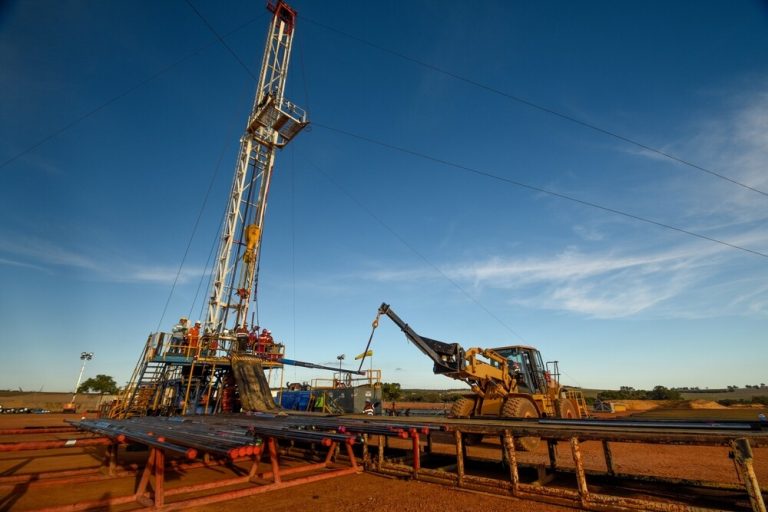
 Moreover, technological advancements in drilling techniques and extraction methods can alter the demand for specific types of Oil Casings. innovations such as horizontal drilling and hydraulic fracturing have revolutionized the Oil and Gas industry, requiring casings that can withstand higher pressures and temperatures. As technologies contiNue to evolve, there is a constant demand for newer, more durable oil casings, which can impact the market dynamics and pricing strategies of Manufacturers.
Environmental and regulatory factors also play a significant role in sh APIng the future of the oil casing market. Increasing concerns over climate change have led to stricter regulations on carbon emissions and environmental impact assessments for oil and gas projects. These regulations can influence investment decisions in the industry, thereby affecting the demand for oil casings in certain regions.
In conclusion, the fluctuation of oil casing market Prices is a complex interplay of supply and demand dynamics in global oil markets. Factors such as oil prices, technological advancements, geopolitical tensions, regulatory changes, and environmental considerations all contribute to the volatility observed in the market. As stakeholders in the oil and gas industry navigate these challenges, understanding the underlying factors driving these fluctuations is essential for making informed decisions and mitigating risks. By monitoring these dynamics closely, industry participants can better anticipate market trends and adapt their strategies to effectively manage price volatility in the oil casing market.