تعزيز مقاومة التآكل في البيئات القاسية: تأثير الطلاءات والمواد المتقدمة
خصائص العزل الحراري الفائقة: ابتكارات في إدارة الحرارة لتطبيقات المياه العميقة

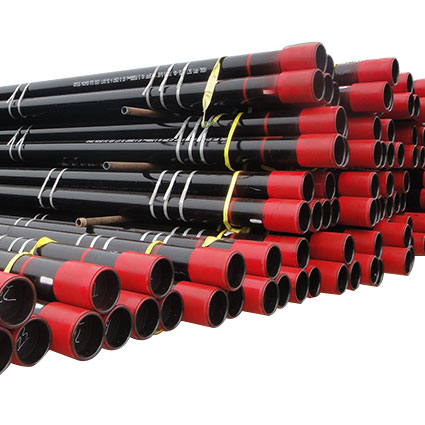
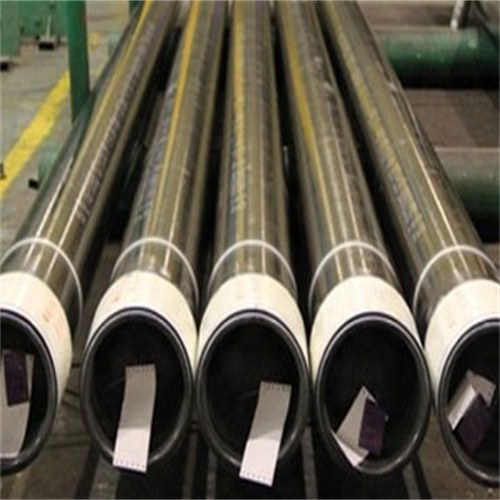
API 5ct R95 Casing أفضل صانع صيني
https://youtube.com/watch?v=cfXZde_zGT8
بالنظر إلى المستقبل، فإن التطوير المستمر لتقنيات العزل الحراري لأغلفة النفط يحمل وعدًا بتحقيق كفاءة أكبر في عمليات الحفر في المياه العميقة. تركز الأبحاث المستمرة على تحسين الأداء الحراري للمواد وتحسين تصميم هياكل الغلاف لتلبية احتياجات الصناعة المتطورة. تؤكد هذه الجهود على الالتزام بالابتكار والاستدامة في استكشاف وإنتاج موارد النفط والغاز.
في الختام، يمثل دمج خصائص العزل الحراري الفائقة في أغلفة النفط إنجازًا كبيرًا في مجال الحفر في المياه العميقة. ومن خلال الإدارة الفعالة لنقل الحرارة والحفاظ على ظروف حرارية مستقرة، تعمل هذه التطورات على تعزيز الموثوقية التشغيلية، وتقليل التأثير البيئي، ودعم جدوى مشاريع النفط والغاز البحرية على المدى الطويل. مع استمرار تقدم التكنولوجيا، تظل إمكانية إجراء المزيد من التحسينات في حلول الإدارة الحرارية واعدة لمستقبل الصناعة.
Superior Thermal Insulation Properties: innovations in Heat Management for Deep-Water Applications
Innovations in Oil Casing technology have continually evolved to meet the demands of extreme environments, particularly in deep-water applications where thermal management is critical. One breakthrough that stands out is the development of oil casings with superior thermal insulation properties. These advancements not only enhance the efficiency of oil extraction but also prolong the lifespan of equipment in challenging conditions.
Deep-water drilling poses unique challenges, chief among them being the drastic changes in temperature and pressure. Oil casings traditionally used in such environments struggled to maintain thermal stability, often leading to inefficiencies and increased Maintenance costs. However, recent innovations have addressed these issues by integrating advanced Materials and design principles that prioritize thermal insulation.
The key to these advancements lies in the composition of the Oil casing materials. Engineers have turned to high-performance polymers and composite materials that exhibit excellent thermal insulation properties. These materials effectively minimize heat transfer between the wellbore and the surrounding environment, thereby stabilizing temperatures within the casing. This stabilization not only ensures the integrity of the casing itself but also enhances the overall efficiency of oil extraction operations.
Moreover, the design of these advanced oil casings incorporates innovative thermal management techniques. Engineers have implemented multi-layered structures that include insulating barriers between layers of casing material. These barriers serve to create thermal breaks, preventing the conduction of heat along the Length of the casing. As a result, thermal gradients within the casing are minimized, reducing the risk of thermal expansion and contraction that can compromise structural integrity over time.
Furthermore, the deployment of these insulated oil casings has proven particularly beneficial in ultra-deep-water drilling scenarios. In such environments, where temperatures can vary significantly over relatively short distances, maintaining consistent thermal conditions is paramount. The enhanced thermal insulation properties of these casings not only contribute to more stable operating conditions but also mitigate the risk of thermal shock to sensitive equipment components.
Beyond thermal insulation, these advanced oil casings also offer improved durability and longevity. The materials used are selected not only for their insulative properties but also for their resistance to corrosion, abrasion, and chemical degradation. This resilience ensures that the casings can withstand the harsh conditions encountered in deep-water drilling operations, thereby reducing downtime and maintenance costs associated with frequent equipment replacement.
In practical terms, the adoption of oil casings with superior thermal insulation properties represents a significant step forward for the Oil and Gas industry. It allows operators to extract resources more efficiently and safely from increasingly challenging environments. By maintaining stable thermal conditions within the wellbore, these casings contribute to optimized production rates and extended equipment lifespan.
API 5CT R95 CASING Best chinese Maker
Looking ahead, the contiNued development of thermal insulation technologies for oil casings holds promise for even greater efficiencies in deep-water drilling operations. Ongoing research focuses on further improving the thermal performance of materials and refining the design of casing structures to meet evolving industry needs. These efforts underscore a commitment to innovation and sustainability in the exploration and production of oil and gas resources.
In conclusion, the integration of superior thermal insulation properties in oil casings represents a significant breakthrough in the field of deep-water drilling. By effectively managing heat transfer and maintaining stable thermal conditions, these advancements enhance operational reliability, reduce environmental impact, and support the long-term viability of offshore oil and gas projects. As technology continues to advance, the potential for further improvements in thermal management solutions remains promising for the future of the industry.