مواد وطلاءات متقدمة لتعزيز مقاومة التآكل
استراتيجيات التصميم المبتكر لزيادة السلامة الهيكلية
تكامل إنترنت الأشياء وتحليلات البيانات للمراقبة في الوقت الفعلي والصيانة التنبؤية
الابتكار المتطور في تصميم غلاف النفط من أجل متوسط عمر الخدمة المتوقع
في المجال الديناميكي لاستكشاف النفط والغاز، يبرز تطور تصميم غلاف النفط كحدود حاسمة لتعزيز الكفاءة التشغيلية وطول العمر. تقليديًا، تم تصميم غلاف الزيت في المقام الأول لتحقيق السلامة الهيكلية والموثوقية في ظل الظروف القاسية. ومع ذلك، فإن تكامل تقنيات إنترنت الأشياء (IoT) وتحليلات البيانات المتقدمة قد بشر بعصر جديد من الابتكار، واعدًا بمستويات غير مسبوقة من المراقبة في الوقت الفعلي وقدرات الصيانة التنبؤية.
تاريخيًا، لعبت أغلفة النفط دورًا محوريًا في حماية الآبار من البيئات القاسية والضغوط التي تواجهها أثناء مرحلتي الحفر والإنتاج. وتمحورت الأهداف الأساسية حول ضمان سلامة البئر، ومنع التسربات، والحفاظ على السلامة التشغيلية الشاملة. كانت هذه الأغلفة التقليدية قوية ولكنها افتقرت إلى القدرة على تقديم رؤى في الوقت الفعلي حول حالتها التشغيلية والمخاطر المحتملة.
مع ظهور إنترنت الأشياء، يمكن الآن لأجهزة الاستشعار المدمجة داخل جدران الأغلفة مراقبة المعلمات المهمة بشكل مستمر مثل درجة الحرارة والضغط والتآكل المستويات، والتوتر. يتم نقل هذه البيانات في الوقت الفعلي إلى أنظمة التحكم المركزية، حيث تقوم الخوارزميات المتطورة المدعومة بمنصات تحليل البيانات بتحليل الاتجاهات والأنماط. من خلال الاستفادة من خوارزميات التعلم الآلي، يمكن للمشغلين الآن التنبؤ بالأعطال المحتملة قبل حدوثها، وبالتالي تقليل وقت التوقف عن العمل وتحسين جداول الصيانة.
يمثل دمج إنترنت الأشياء في تصميم أغلفة الزيت نقلة نوعية نحو استراتيجيات الصيانة الاستباقية. تقليديًا، كانت أنشطة الصيانة غالبًا ما تكون تفاعلية، وتنجم عن حالات الفشل أو الجداول الزمنية الروتينية. ورغم أن هذا النهج ضروري، إلا أنه أدى في كثير من الأحيان إلى فترات توقف غير ضرورية وزيادة في تكاليف التشغيل. على النقيض من ذلك، تسمح الأغلفة التي تدعم إنترنت الأشياء بالصيانة القائمة على الحالة، حيث تعتمد التدخلات على مقاييس الأداء الفعلية بدلاً من الجداول الزمنية المحددة مسبقًا.
علاوة على ذلك، تساهم الأغلفة التي تدعم إنترنت الأشياء في تعزيز بروتوكولات السلامة. إن القدرة على اكتشاف الحالات الشاذة في الوقت الفعلي تعني أن المشغلين يمكنهم الاستجابة بسرعة للمخاطر المحتملة، وبالتالي تخفيف المخاطر المرتبطة بفشل الغلاف. لا يحمي هذا النهج الاستباقي الأفراد والمعدات فحسب، بل يحمي البيئة أيضًا من خلال تقليل احتمالية الانسكابات أو التسربات.
علاوة على ذلك، تم تمديد عمر أغلفة النفط بشكل كبير من خلال تقنيات علوم المواد والهندسة المتقدمة. أدت الابتكارات في علم المعادن إلى تطوير سبائك توفر مقاومة فائقة للتآكل والإجهاد الميكانيكي. لا تعمل هذه المواد على تعزيز السلامة الهيكلية للأغلفة فحسب، بل تساهم أيضًا في متانتها في ظل ظروف التشغيل الصعبة.
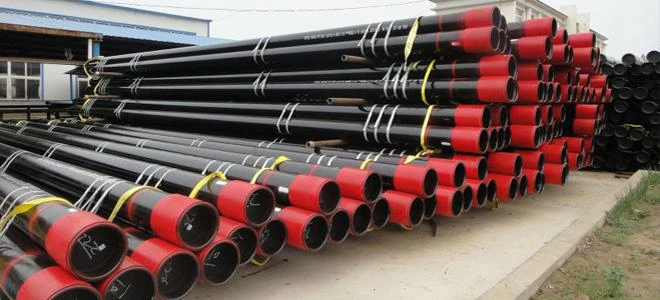
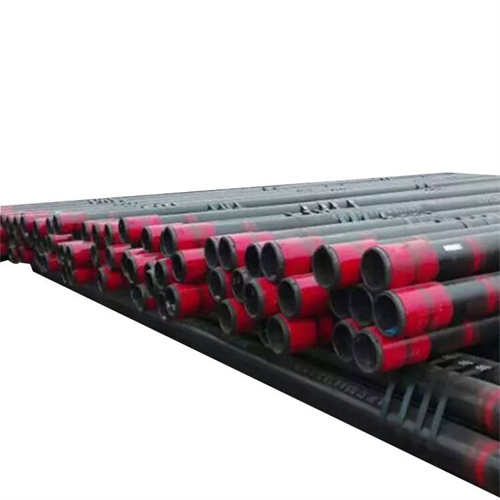
أفضل مصنع صيني لأنابيب غلاف البترول

بالإضافة إلى التطورات المادية، فقد تطور تصميم أغلفة النفط لتحسين الأداء عبر مختلف التكوينات الجيولوجية والسيناريوهات التشغيلية. تتيح تكوينات الغلاف القابلة للتخصيص، والمصممة خصيصًا لظروف الآبار المحددة، قدرًا أكبر من المرونة والكفاءة في عمليات الحفر. تضمن هذه القدرة على التكيف قدرة الأغلفة على تحمل الضغوط ودرجات الحرارة والبيئات المسببة للتآكل المختلفة التي يتم مواجهتها خلال دورة حياة البئر.
علاوة على ذلك، يتيح تكامل تحليلات البيانات للمشغلين تحسين تصميمات الأغلفة بشكل مستمر بناءً على بيانات الأداء التجريبية. ومن خلال تحليل الاتجاهات التاريخية والرؤى التشغيلية، يمكن للمهندسين تحسين مواصفات الغلاف بشكل متكرر لتلبية متطلبات ممارسات الحفر المتطورة واللوائح البيئية بشكل أفضل.
وبالنظر إلى المستقبل، فإن التآزر بين إنترنت الأشياء وتحليلات البيانات والمواد المتقدمة يحمل وعدًا بإحداث ثورة أكبر في تصميم أغلفة الزيت. قد تتضمن الابتكارات المستقبلية أغلفة ذاتية التشخيص قادرة على التكيف بشكل مستقل مع الظروف المتغيرة أو أغلفة مجهزة بأجهزة استشعار نانوية للحصول على تفاصيل أكثر دقة للبيانات. لا تعمل هذه التطورات على تعزيز الكفاءة التشغيلية فحسب، بل تعزز أيضًا التزام الصناعة بالممارسات المستدامة والإشراف البيئي.
في الختام، يمثل تكامل إنترنت الأشياء وتحليلات البيانات قفزة تحويلية إلى الأمام في تصميم أغلفة النفط. من خلال تمكين المراقبة في الوقت الحقيقي، والصيانة التنبؤية، والتحسين المستمر، تعمل هذه التقنيات على إطالة العمر المتوقع لأغلفة النفط مع تعزيز السلامة والموثوقية والاستدامة البيئية. مع استمرار الصناعة في احتضان الابتكار، فإن تطور تصميم أغلفة النفط يقف على أهبة الاستعداد لتشكيل مستقبل استكشاف الطاقة وإنتاجها في جميع أنحاء العالم.
Integration of IoT and Data Analytics for Real-Time Monitoring and Predictive Maintenance
Oil Casing‘s Advancing Design innovation for Prolonged Service Life Expectancy
In the dynamic realm of Oil and Gas exploration, the evolution of oil casing design stands out as a critical frontier for enhancing operational efficiency and longevity. Traditionally, oil casing has been engineered primarily for structural integrity and reliability under extreme conditions. However, the integration of Internet of Things (IoT) technologies and advanced data analytics has ushered in a new era of innovation, promising unprecedented levels of real-time monitoring and predictive maintenance capabilities.
Historically, oil casings have played a pivotal role in safeguarding wells against the harsh environments and pressures encountered during drilling and production phases. The primary objectives revolved around ensuring the integrity of the wellbore, preventing leaks, and maintaining overall operational safety. These traditional casings were robust but lacked the ability to provide real-time insights into their operational status and potential risks.
With the advent of IoT, sensors embedded within the casing walls can now continuously monitor crucial parameters such as temperature, pressure, corrosion levels, and strain. This real-time data is transmitted to centralized control systems, where sophisticated algorithms powered by data analytics platforms analyze trends and patterns. By leveraging machine learning algorithms, operators can now predict potential failures before they occur, thereby minimizing downtime and optimizing maintenance schedules.
The integration of IoT in oil casing design represents a paradigm shift towards proactive maintenance strategies. Traditionally, maintenance activities were often reactive, triggered by failures or routine schedules. This approach, while necessary, often resulted in unnecessary downtime and increased operational costs. By contrast, IoT-enabled casings allow for condition-based maintenance, where interventions are based on actual performance metrics rather than pre-determined schedules.
Furthermore, IoT-enabled casings contribute to enhanced safety protocols. The ability to detect anomalies in real-time means that operators can swiftly respond to potential hazards, thereby mitigating risks associated with casing failures. This proactive approach not only protects personnel and equipment but also safeguards the environment by reducing the likelihood of spills or leaks.
Moreover, the longevity of oil casings has been significantly extended through advanced Material science and engineering techniques. Innovations in metallurgy have led to the development of alloys that offer superior resistance to corrosion and mechanical stress. These materials not only enhance the structural integrity of the casings but also contribute to their durability under challenging operational conditions.
PETROLEUM Casing Pipe Best chinese Factory
In addition to material advancements, the design of oil casings has evolved to optimize performance across various geological formations and operational scenarios. Customizable casing configurations, tailored to specific well conditions, allow for greater flexibility and efficiency in drilling operations. This adaptability ensures that casings can withstand varying pressures, temperatures, and corrosive environments encountered during the Life cycle of a well.
Furthermore, the integration of data analytics enables operators to continuously refine casing designs based on empirical performance data. By analyzing historical trends and operational insights, engineers can iteratively improve casing specifications to better meet the demands of evolving drilling practices and environmental regulations.
Looking ahead, the synergy between IoT, data analytics, and advanced materials holds the promise of further revolutionizing oil casing design. Future innovations may include self-diagnosing casings capable of autonomously adjusting to changing conditions or casings equipped with nano-sensors for even finer data granularity. These advancements not only enhance operational efficiency but also reinforce the industry’s commitment to sustainable practices and environmental stewardship.
In conclusion, the integration of IoT and data analytics represents a transformative leap forward in oil casing design. By enabling real-time monitoring, predictive maintenance, and continuous improvement, these technologies extend the service life expectancy of oil casings while enhancing safety, reliability, and environmental sustainability. As the industry contiNues to embrace innovation, the evolution of oil casing design stands poised to shape the future of energy exploration and production worldwide.