تقييم خصائص المواد
أفضل الشركات المصنعة لأنابيب النفط الصينية
بالتزامن مع الخواص الميكانيكية، يجب تقييم مقاومة المواد للتآكل. يتضمن ذلك فحص السلوك الكهروكيميائي للمواد في البيئة المسببة للتآكل المحددة. يمكن لتقنيات مثل الاستقطاب الديناميكي الديناميكي والتحليل الطيفي للمقاومة الكهروكيميائية أن توفر رؤى قيمة حول معدلات التآكل وآلياته. ومن خلال فهم كيفية تفاعل المادة مع بيئتها، يمكن للمهندسين اتخاذ قرارات مستنيرة بشأن مدى ملاءمتها لتطبيق معين. علاوة على ذلك، فإن استخدام الطلاءات الواقية أو المثبطات يمكن أن يعزز مقاومة التآكل لبعض المواد، وبالتالي إطالة عمر الخدمة.
علاوة على ذلك، لا ينبغي التغاضي عن توافق المواد المضادة للتآكل مع المكونات الأخرى في النظام. على سبيل المثال، يمكن أن يؤدي وجود معادن مختلفة إلى التآكل الجلفاني، مما قد يضر بسلامة الغلاف. لذلك، من المهم مراعاة النظام بأكمله عند اختيار المواد، والتأكد من توافق جميع المكونات وتقليل خطر التآكل. لا يعمل هذا النهج الشامل على تحسين أداء الغلاف فحسب، بل يقلل أيضًا من تكاليف الصيانة ووقت التوقف عن العمل المرتبط بالفشل المرتبط بالتآكل.
بالإضافة إلى هذه الاعتبارات الفنية، تلعب العوامل الاقتصادية أيضًا دورًا مهمًا في اختيار المواد. يجب موازنة التكلفة الأولية للمواد، إلى جانب عمرها المتوقع ومتطلبات الصيانة، مقابل التكاليف المحتملة للفشل المرتبط بالتآكل. يمكن أن يساعد تحليل التكلفة والعائد في تحديد الخيار الأكثر جدوى اقتصاديًا مع الاستمرار في تلبية معايير الأداء الضرورية. في النهاية، الهدف هو تحقيق التوازن بين الأداء والمتانة والفعالية من حيث التكلفة.
في الختام، يتطلب اتخاذ قرار دقيق بشأن المواد المضادة للتآكل في غلاف الزيت تقييمًا شاملاً لخصائص المواد فيما يتعلق بسياق التطبيق المحدد. ومن خلال الفهم الشامل للبيئة المسببة للتآكل، وتقييم الخصائص الميكانيكية وخصائص المقاومة للتآكل، وضمان التوافق مع مكونات النظام الأخرى، ومراعاة العوامل الاقتصادية، يمكن للمهندسين اختيار المواد الأكثر ملاءمة. هذا النهج الدقيق لا يعزز موثوقية وطول عمر أنظمة تغليف النفط فحسب، بل يساهم أيضًا في الكفاءة والسلامة الشاملة لعمليات استخراج النفط.
 In conjunction with mechanical properties, the Corrosion resistance of Materials must be evaluated. This involves examining the electrochemical behavior of the materials in the specific corrosive environment. Techniques such as potentiodynamic polarization and electrochemical impedance spectroscopy can provide valuable insights into the corrosion rates and mechanisms at play. By understanding how a material interacts with its environment, engineers can make informed decisions about its suitability for a given application. Furthermore, the use of protective coatings or inhibitors can enhance the corrosion resistance of certain materials, thereby extending their service life.
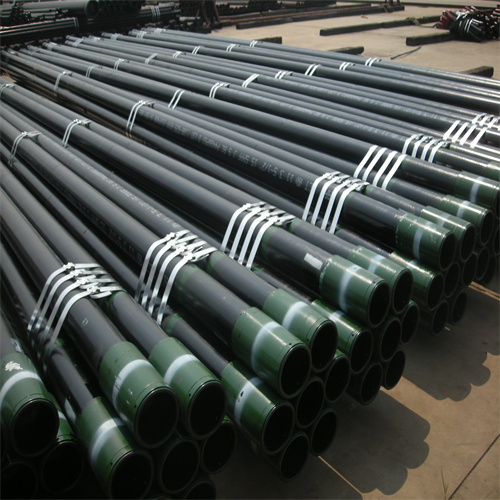
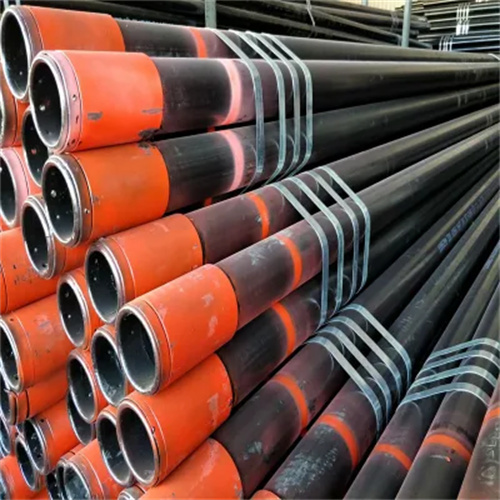
Moreover, the compatibility of the anticorrosion material with other components in the system should not be overlooked. For example, the presence of dissimilar metals can lead to galvanic corrosion, which can compromise the integrity of the Casing. Therefore, it is crucial to consider the entire system when selecting materials, ensuring that all components are compatible and that the risk of corrosion is minimized. This holistic approach not only enhances the performance of the casing but also reduces Maintenance costs and downtime associated with corrosion-related failures.
In addition to these technical considerations, economic factors also play a significant role in material selection. The initial cost of materials, along with their expected lifespan and maintenance requirements, must be weighed against the potential costs of corrosion-related failures. A cost-benefit analysis can help determine the most economically viable option while still meeting the necessary performance criteria. Ultimately, the goal is to strike a balance between performance, durability, and cost-effectiveness.
In conclusion, making a sharp determination of Oil Casing anticorrosion materials requires a comprehensive evaluation of material properties in relation to the specific application context. By thoroughly understanding the corrosive environment, assessing mechanical and corrosion resistance properties, ensuring compatibility with other system components, and considering economic factors, engineers can select the most suitable materials. This meticulous approach not only enhances the reliability and longevity of oil casing systems but also contributes to the overall efficiency and safety of oil extraction operations.