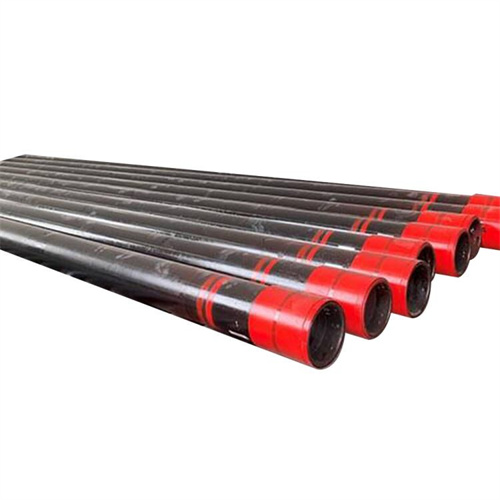
বস্তুগত বৈশিষ্ট্য মূল্যায়ন
তেল আবরণ প্রয়োগের ক্ষেত্রে, অবকাঠামোর দীর্ঘায়ু এবং নির্ভরযোগ্যতা নিশ্চিত করার জন্য উপযুক্ত ক্ষয়রোধী উপকরণ নির্বাচন সর্বোপরি। উপাদান বৈশিষ্ট্যের মূল্যায়ন এই প্রক্রিয়ার একটি গুরুত্বপূর্ণ পদক্ষেপ, কারণ এটি বিভিন্ন পরিবেশগত পরিস্থিতিতে কেসিংয়ের কার্যকারিতাকে সরাসরি প্রভাবিত করে। শুরু করার জন্য, অ্যাপ্লিকেশন প্রসঙ্গে উপস্থিত নির্দিষ্ট ক্ষয়কারী এজেন্টগুলি বোঝা অপরিহার্য। বিভিন্ন পরিবেশ, যেমন অফশোর ড্রিলিং সাইট বা উপকূলীয় উত্পাদন সুবিধা, উপাদানগুলিকে পৃথক ধরণের ক্ষয়ের জন্য প্রকাশ করে, যার মধ্যে পিটিং, স্ট্রেস জারা ক্র্যাকিং এবং সাধারণ ক্ষয় রয়েছে। অতএব, তাপমাত্রা, চাপ এবং জড়িত তরলগুলির রাসায়নিক গঠন সহ পরিবেশগত কারণগুলির একটি পুঙ্খানুপুঙ্খ বিশ্লেষণ করা আবশ্যক৷
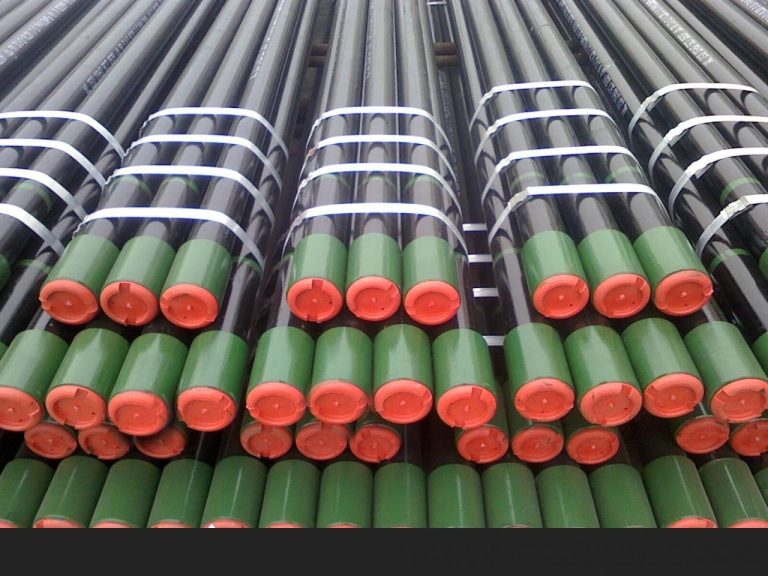
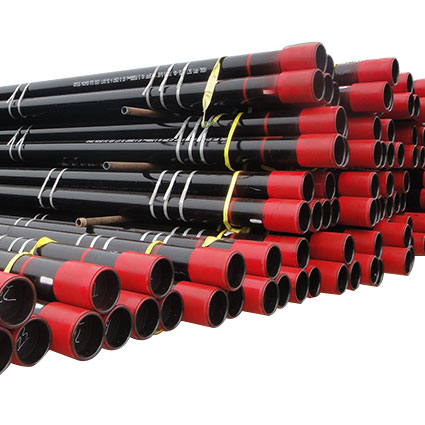
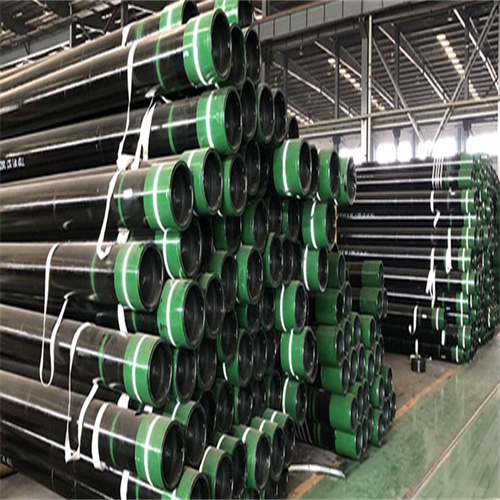
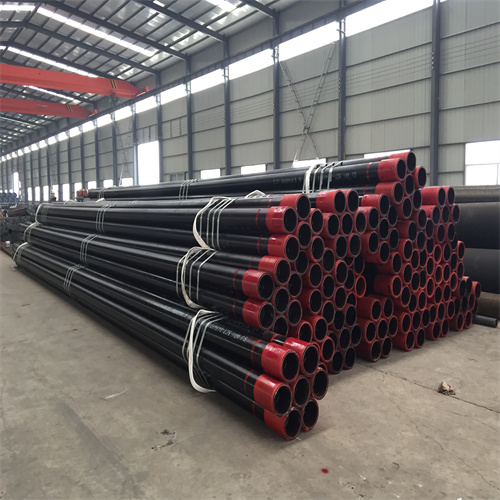
তেল পাইপ চীনা সেরা নির্মাতারা
এই প্রযুক্তিগত বিবেচনার পাশাপাশি, অর্থনৈতিক কারণগুলিও উপাদান নির্বাচনের ক্ষেত্রে গুরুত্বপূর্ণ ভূমিকা পালন করে। উপকরণের প্রারম্ভিক খরচ, তাদের প্রত্যাশিত জীবনকাল এবং রক্ষণাবেক্ষণের প্রয়োজনীয়তা সহ, ক্ষয়-সম্পর্কিত ব্যর্থতার সম্ভাব্য খরচের বিপরীতে ওজন করা আবশ্যক। একটি খরচ-সুবিধা বিশ্লেষণ এখনও প্রয়োজনীয় কর্মক্ষমতা মানদণ্ড পূরণ করার সময় সবচেয়ে অর্থনৈতিকভাবে কার্যকর বিকল্প নির্ধারণ করতে সাহায্য করতে পারে। পরিশেষে, লক্ষ্য হল কর্মক্ষমতা, স্থায়িত্ব এবং খরচ-কার্যকারিতার মধ্যে একটি ভারসাম্য বজায় রাখা। ক্ষয়কারী পরিবেশকে পুঙ্খানুপুঙ্খভাবে বোঝার মাধ্যমে, যান্ত্রিক এবং জারা প্রতিরোধের বৈশিষ্ট্যগুলি মূল্যায়ন করে, সিস্টেমের অন্যান্য উপাদানগুলির সাথে সামঞ্জস্যতা নিশ্চিত করে এবং অর্থনৈতিক কারণগুলি বিবেচনা করে, প্রকৌশলীরা সবচেয়ে উপযুক্ত উপকরণ নির্বাচন করতে পারেন। এই সূক্ষ্ম পদ্ধতিটি শুধুমাত্র তেলের আবরণ ব্যবস্থার নির্ভরযোগ্যতা এবং দীর্ঘায়ু বাড়ায় না বরং তেল নিষ্কাশন কার্যক্রমের সামগ্রিক দক্ষতা এবং নিরাপত্তার ক্ষেত্রেও অবদান রাখে।
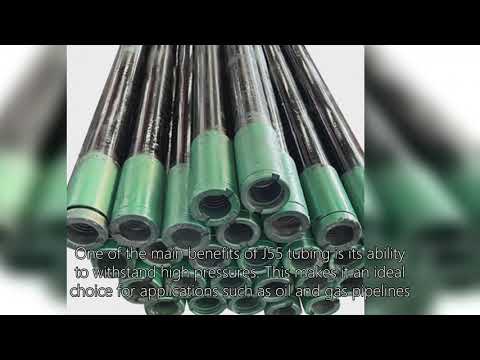 In conjunction with mechanical properties, the Corrosion resistance of Materials must be evaluated. This involves examining the electrochemical behavior of the materials in the specific corrosive environment. Techniques such as potentiodynamic polarization and electrochemical impedance spectroscopy can provide valuable insights into the corrosion rates and mechanisms at play. By understanding how a material interacts with its environment, engineers can make informed decisions about its suitability for a given application. Furthermore, the use of protective coatings or inhibitors can enhance the corrosion resistance of certain materials, thereby extending their service life.
Moreover, the compatibility of the anticorrosion material with other components in the system should not be overlooked. For example, the presence of dissimilar metals can lead to galvanic corrosion, which can compromise the integrity of the Casing. Therefore, it is crucial to consider the entire system when selecting materials, ensuring that all components are compatible and that the risk of corrosion is minimized. This holistic approach not only enhances the performance of the casing but also reduces Maintenance costs and downtime associated with corrosion-related failures.
In addition to these technical considerations, economic factors also play a significant role in material selection. The initial cost of materials, along with their expected lifespan and maintenance requirements, must be weighed against the potential costs of corrosion-related failures. A cost-benefit analysis can help determine the most economically viable option while still meeting the necessary performance criteria. Ultimately, the goal is to strike a balance between performance, durability, and cost-effectiveness.
In conclusion, making a sharp determination of Oil Casing anticorrosion materials requires a comprehensive evaluation of material properties in relation to the specific application context. By thoroughly understanding the corrosive environment, assessing mechanical and corrosion resistance properties, ensuring compatibility with other system components, and considering economic factors, engineers can select the most suitable materials. This meticulous approach not only enhances the reliability and longevity of oil casing systems but also contributes to the overall efficiency and safety of oil extraction operations.