تنفيذ تقنيات الاختبار غير المدمرة المتقدمة لضمان جودة أغلفة الزيت
الاستفادة من تحليلات البيانات في الوقت الفعلي لتعزيز مراقبة الجودة في تصنيع أغلفة الزيت
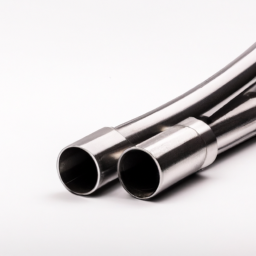
في المجال المعقد والحرج لتصنيع أغلفة النفط، يعد ضمان جودة المنتج أمرًا بالغ الأهمية. إن المخاطر كبيرة، لأن سلامة أغلفة النفط تؤثر بشكل مباشر على كفاءة وسلامة عمليات استخراج النفط. ولحماية جودة تصنيع أغلفة النفط بشكل موثوق، يتجه قادة الصناعة بشكل متزايد إلى تحليلات البيانات في الوقت الفعلي. تعمل هذه التكنولوجيا بمثابة حجر الزاوية لتعزيز عمليات مراقبة الجودة من خلال توفير رؤى فورية وتمكين اتخاذ القرارات الاستباقية.
تتضمن تحليلات البيانات في الوقت الفعلي جمع البيانات وتحليلها بشكل مستمر طوال عملية التصنيع. ومن خلال دمج أجهزة الاستشعار وأنظمة جمع البيانات المتقدمة في خطوط الإنتاج، يمكن للمصنعين جمع بيانات دقيقة وشاملة عن كل جانب من جوانب عملية الإنتاج. تتضمن هذه البيانات قياسات لخصائص المواد والظروف البيئية وأداء الآلات. يتيح التوفر الفوري لهذه البيانات الكشف الفوري عن الحالات الشاذة التي قد تشير إلى مشكلات محتملة في الجودة.
تكمن قوة تحليلات البيانات في الوقت الفعلي في قدرتها على تقديم نظرة عامة مفصلة لحظة بلحظة عن عملية التصنيع. على سبيل المثال، إذا تم اكتشاف انحراف عن مستويات الضغط القياسية أو درجات الحرارة، فيمكن للنظام تنبيه المشغلين على الفور. تتيح إمكانية الاستجابة السريعة هذه اتخاذ إجراءات تصحيحية سريعة، مما يقلل من مخاطر إنتاج أغلفة زيت دون المستوى المطلوب. علاوة على ذلك، يمكن استخدام البيانات التي تم جمعها لإجراء تحليل الاتجاهات، مما يساعد على تحديد المجالات المحتملة للتحسين في عملية التصنيع، وبالتالي منع العيوب المستقبلية.
علاوة على ذلك، يمكن أن تؤدي الاستفادة من التحليلات المتقدمة وخوارزميات التعلم الآلي إلى تعزيز القدرات التنبؤية لأنظمة مراقبة الجودة . يمكن لهذه التقنيات تحليل البيانات التاريخية جنبًا إلى جنب مع المدخلات في الوقت الفعلي للتنبؤ بالفشل المحتمل قبل حدوثه. على سبيل المثال، يمكن لنماذج التعلم الآلي تحديد الأنماط التي تسبق أعطال المعدات أو انحرافات العملية، مما يسمح بالصيانة والتعديلات الوقائية. لا يساعد هذا النهج التنبؤي في الحفاظ على الجودة المتسقة فحسب، بل يقلل أيضًا من وقت التوقف عن العمل وتكاليف التشغيل.
هناك ميزة مهمة أخرى لاستخدام تحليلات البيانات في الوقت الفعلي في تصنيع أغلفة النفط وهي القدرة على الحفاظ على مستوى عالٍ من إمكانية التتبع. ويمكن تتبع كل غلاف خلال دورة حياة الإنتاج الخاصة به، مع تسجيل جميع البيانات المرتبطة بها وإتاحتها. وتضمن إمكانية التتبع هذه أنه في حالة اكتشاف العيوب في مرحلة ما بعد الإنتاج، يمكن تتبع الأسباب الجذرية مرة أخرى من خلال البيانات، مما يسهل فهم المشكلات وتصحيحها بشكل أفضل. كما أنه يساعد في الامتثال للوائح والمعايير الصناعية الصارمة، مما يوفر توثيقًا واضحًا للالتزام ببروتوكولات الجودة.
يتطلب تنفيذ تحليلات البيانات في الوقت الفعلي استثمارًا أوليًا كبيرًا في التكنولوجيا والتدريب. ومع ذلك، يمكن أن يكون العائد على الاستثمار كبيرًا، مع الأخذ في الاعتبار توفير التكاليف نتيجة لتقليل النفايات، وتحسين جودة المنتج، وتعزيز الكفاءة التشغيلية. من الأهمية بمكان بالنسبة للمصنعين أن يتعاونوا مع مزودي التكنولوجيا ذوي الخبرة وأن يستثمروا في تدريب القوى العاملة لديهم للاستفادة بشكل فعال من هذه الأنظمة المتقدمة.
في الختام، تعمل تحليلات البيانات في الوقت الفعلي على تغيير مشهد مراقبة الجودة في تصنيع أغلفة النفط. من خلال تمكين الكشف الفوري والاستجابة لمشكلات الجودة المحتملة، وتعزيز قدرات الصيانة التنبؤية، وتحسين إمكانية التتبع، تعد هذه التكنولوجيا أداة حيوية في السعي لضمان موثوقية وسلامة أغلفة النفط. ومع استمرار تطور الصناعة، سيكون تبني هذه التقنيات المتقدمة أمرًا أساسيًا للحفاظ على الميزة التنافسية والحفاظ على أعلى معايير الجودة والسلامة.
In the complex and critical field of Oil Casing manufacturing, ensuring product quality is paramount. The stakes are high, as the integrity of oil casings directly impacts the efficiency and safety of oil extraction operations. To reliably safeguard the manufacturing quality of oil casings, industry leaders are increasingly turning to real-time data analytics. This technology serves as a cornerstone for enhancing quality control processes by providing immediate insights and enabling proactive decision-making.
Real-time data analytics involves the continuous collection and analysis of data throughout the manufacturing process. By integrating sensors and advanced data collection systems into production lines, Manufacturers can gather precise and comprehensive data on every aspect of the production process. This data includes measurements of Material properties, environmental conditions, and machinery performance. The immediate availability of this data allows for the instant detection of anomalies that could indicate potential quality issues.
The power of real-time data analytics lies in its ability to provide a detailed, moment-to-moment overview of the manufacturing process. For instance, if a deviation from standard pressure levels or temperatures is detected, the system can immediately alert operators. This prompt response capability enables quick corrective actions, minimizing the risk of producing substandard oil casings. Furthermore, the data collected can be used to perform trend analysis, helping to identify potential areas of improvement in the manufacturing process, thereby preventing future defects.
Moreover, leveraging advanced analytics and machine learning algorithms can enhance the predictive capabilities of quality control systems. These technologies can analyze historical data alongside real-time inputs to predict potential failures before they occur. For example, machine learning models can identify patterns that precede equipment malfunctions or process deviations, allowing for preemptive Maintenance and adjustments. This predictive approach not only helps in maintaining consistent quality but also reduces downtime and operational costs.
Another significant advantage of using real-time data analytics in oil casing manufacturing is the ability to maintain a high level of traceability. Each casing can be tracked through its production lifecycle, with all associated data recorded and accessible. This traceability ensures that if defects are detected post-production, the root causes can be traced back through the data, facilitating better understanding and rectification of the issues. It also aids in compliance with stringent industry regulations and standards, providing clear documentation of adherence to quality protocols.
Implementing real-time data analytics requires a substantial initial investment in technology and training. However, the return on investment can be substantial, considering the cost savings from reduced waste, improved product quality, and enhanced operational efficiency. It is crucial for manufacturers to partner with experienced technology providers and invest in training their workforce to effectively utilize these advanced systems.
In conclusion, real-time data analytics is transforming the landscape of quality control in oil casing manufacturing. By enabling immediate detection and response to potential quality issues, enhancing predictive maintenance capabilities, and improving traceability, this technology is a vital tool in the quest to ensure the reliability and safety of oil casings. As the industry contiNues to evolve, embracing these advanced technologies will be key to maintaining competitive advantage and upholding the highest standards of quality and safety.