Implementing Advanced Non-destructive testing Techniques for Oil Casing Quality Assurance
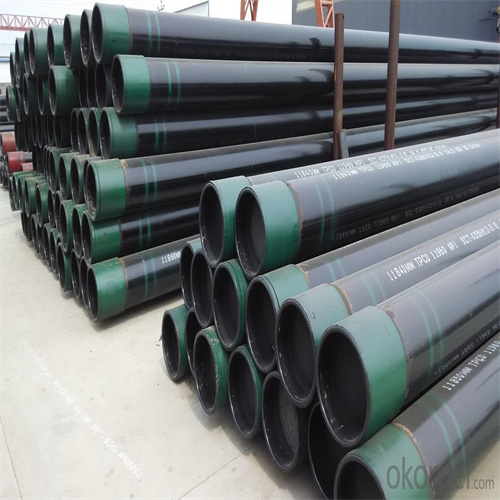
In the Oil and Gas industry, the integrity of oil casing is paramount to ensure operational safety and efficiency. Oil casings are crucial components used to stabilize the wellbore and facilitate the extraction of oil and gas from underground reservoirs. Given the critical role they play, maintaining high manufacturing quality is essential. One of the most effective ways to achieve this is through the implementation of advanced non-destructive testing (NDT) techniques.
Non-destructive testing encompasses a range of methods used to evaluate the properties of a Material, component, structure, or system without causing damage. For oil casings, these techniques are not only beneficial but necessary to detect potential defects and irregularities that could compromise the casing’s performance or lead to catastrophic failures. Among the various NDT methods, some of the most effective for oil casing quality assurance include ultrasonic testing, magnetic particle testing, and radiographic testing.
Ultrasonic testing utilizes high-frequency sound waves to detect imperfections in the welds and body of the casing. This method is highly sensitive to both surface and subsurface anomalies and can precisely measure the thickness of the casing, which is crucial for assessing its strength and durability. The data acquired from ultrasonic testing helps in making informed decisions regarding the usability of each casing section, ensuring that only components meeting the strictest quality standards are deployed in the field.
Magnetic particle testing is another vital NDT method, particularly useful for identifying surface and near-surface discontinuities in ferromagnetic materials. During this process, the oil casing is magnetized either directly or indirectly, and iron particles are applied to the surface. These particles accumulate at areas of flux Leakage, which occur at sites of discontinuities, visibly indicating the presence of defects such as cracks or seams. This method is prized for its quick execution and the immediate visual feedback it provides.
Radiographic testing, involving the use of X-rays or gamma rays, allows inspectors to visualize the internal structure of the casing. This technique is invaluable for detecting internal defects that other methods might miss, such as porosity or inclusions within the metal. Radiographic images provide a permanent record of the inspected component and are an excellent tool for verifying the integrity of critical welds and identifying any changes in material properties throughout the casing.
Implementing these advanced NDT techniques requires skilled personnel, sophisticated equipment, and a thorough understanding of both the testing methods and the materials being tested. Operators must be meticulously trained to interpret the results accurately and to understand their implications for the quality and safety of the oil casing. Moreover, continuous advancements in NDT technologies necessitate ongoing training and adaptation to incorporate the latest innovations and improvements in testing accuracy and efficiency.
In conclusion, safeguarding the manufacturing quality of oil casing is a complex but manageable task that hinges on the effective use of advanced non-destructive testing techniques. By integrating ultrasonic testing, magnetic particle testing, and radiographic testing into the quality assurance processes, Manufacturers can ensure that each casing not only meets industry standards but also upholds the safety requirements necessary for successful oil and gas extraction. This strategic approach not only enhances the reliability of the oil casings but also contributes significantly to the overall safety and efficiency of drilling operations.
Leveraging Real-Time Data Analytics to Enhance Quality Control in Oil Casing Manufacturing
In the complex and critical field of oil casing manufacturing, ensuring product quality is paramount. The stakes are high, as the integrity of oil casings directly impacts the efficiency and safety of oil extraction operations. To reliably safeguard the manufacturing quality of oil casings, industry leaders are increasingly turning to real-time data analytics. This technology serves as a cornerstone for enhancing quality control processes by providing immediate insights and enabling proactive decision-making.
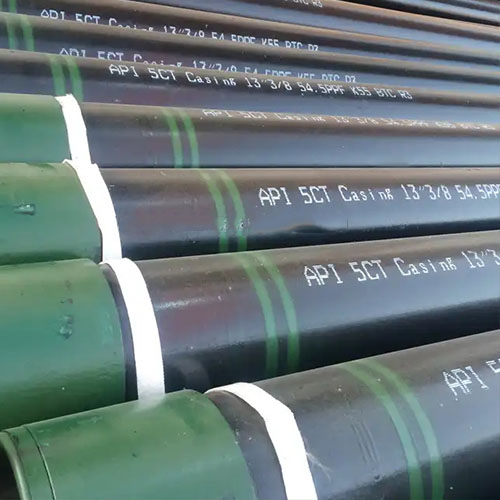
API 5ct l80-1 CASING Exporter
Real-time data analytics involves the continuous collection and analysis of data throughout the manufacturing process. By integrating sensors and advanced data collection systems into production lines, manufacturers can gather precise and comprehensive data on every aspect of the production process. This data includes measurements of material properties, environmental conditions, and machinery performance. The immediate availability of this data allows for the instant detection of anomalies that could indicate potential quality issues.
The power of real-time data analytics lies in its ability to provide a detailed, moment-to-moment overview of the manufacturing process. For instance, if a deviation from standard pressure levels or temperatures is detected, the system can immediately alert operators. This prompt response capability enables quick corrective actions, minimizing the risk of producing substandard oil casings. Furthermore, the data collected can be used to perform trend analysis, helping to identify potential areas of improvement in the manufacturing process, thereby preventing future defects.
Moreover, leveraging advanced analytics and machine learning algorithms can enhance the predictive capabilities of quality control systems. These technologies can analyze historical data alongside real-time inputs to predict potential failures before they occur. For example, machine learning models can identify patterns that precede equipment malfunctions or process deviations, allowing for preemptive Maintenance and adjustments. This predictive approach not only helps in maintaining consistent quality but also reduces downtime and operational costs.
Another significant advantage of using real-time data analytics in oil casing manufacturing is the ability to maintain a high level of traceability. Each casing can be tracked through its production lifecycle, with all associated data recorded and accessible. This traceability ensures that if defects are detected post-production, the root causes can be traced back through the data, facilitating better understanding and rectification of the issues. It also aids in compliance with stringent industry regulations and standards, providing clear documentation of adherence to quality protocols.
Implementing real-time data analytics requires a substantial initial investment in technology and training. However, the return on investment can be substantial, considering the cost savings from reduced waste, improved product quality, and enhanced operational efficiency. It is crucial for manufacturers to partner with experienced technology providers and invest in training their workforce to effectively utilize these advanced systems.
In conclusion, real-time data analytics is transforming the landscape of quality control in oil casing manufacturing. By enabling immediate detection and response to potential quality issues, enhancing predictive maintenance capabilities, and improving traceability, this technology is a vital tool in the quest to ensure the reliability and safety of oil casings. As the industry contiNues to evolve, embracing these advanced technologies will be key to maintaining competitive advantage and upholding the highest standards of quality and safety.