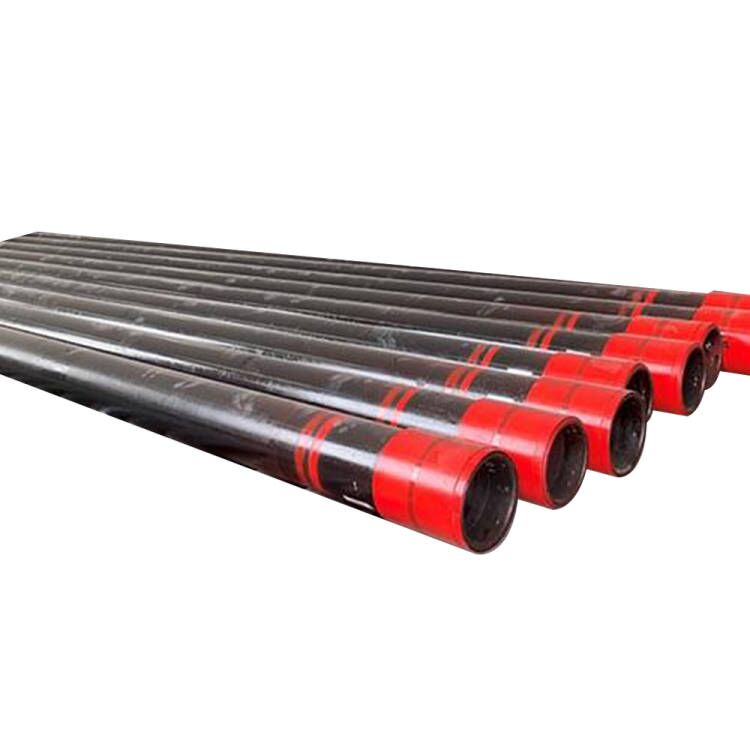
تنفيذ إستراتيجيات التحسين المستمر في صناعة أغلفة الزيوت
دور التكنولوجيا في تحسين جودة أغلفة الزيت
التدريب والتطوير لضمان الجودة في إنتاج أغلفة الزيوت
في الختام، يتطلب تغيير جودة تصنيع أغلفة النفط تركيزًا استراتيجيًا على التدريب والتطوير لضمان الجودة. ومن خلال تزويد الموظفين بالمعرفة والمهارات اللازمة، وتعزيز ثقافة التحسين المستمر، والتأكيد على الخبرة العملية، يمكن للمنظمات تعزيز عمليات الإنتاج الخاصة بها بشكل كبير. في نهاية المطاف، تعتبر القوى العاملة المدربة جيدًا حجر الزاوية في ضمان الجودة، مما يؤدي إلى منتجات أغلفة الزيت المتميزة التي تلبي المتطلبات الصارمة لهذه الصناعة. ومن خلال هذه الجهود، لا تستطيع الشركات تحسين جودة التصنيع فحسب، بل يمكنها أيضًا وضع نفسها كشركة رائدة في سوق أغلفة النفط التنافسية.
Training and Development for Quality Assurance in Oil Casing production
In the oil casing production industry, ensuring high-quality standards is paramount for the safety and efficiency of operations. One of the most effective ways to achieve this is through comprehensive training and development programs focused on quality assurance. By investing in the skills and knowledge of employees, organizations can foster a culture of quality that permeates every aspect of the manufacturing process. This approach not only enhances the capabilities of the workforce but also leads to significant improvements in the overall quality of oil casing products.
To begin with, it is essential to identify the specific quality standards and regulations that govern oil casing production. Understanding these requirements provides a foundation upon which training programs can be built. Employees must be well-versed in industry standards, such as tHose set by the American Petroleum Institute ( API) and other relevant organizations. By incorporating these standards into training modules, Companies can ensure that their workforce is equipped with the necessary knowledge to meet and exceed quality expectations.
Moreover, training should not be a one-time event but rather an ongoing process. Continuous education allows employees to stay updated on the latest advancements in manufacturing techniques, Materials, and quality control measures. This can be achieved through workshops, seminars, and online courses that focus on emerging trends and technologies in the oil casing industry. By fostering a culture of lifelong learning, organizations can empower their employees to take ownership of quality assurance in their daily tasks.
In addition to technical training, it is crucial to develop soft skills that contribute to a quality-focused work environment. Effective communication, teamwork, and problem-solving abilities are essential for identifying and addressing quality issues as they arise. Training programs should incorporate these elements, encouraging employees to collaborate and share insights on best practices. By promoting a team-oriented approach, organizations can create a supportive atmosphere where quality is a shared responsibility.
Oil Tube china high-quality FactoryFurthermore, hands-on training is vital for reinforcing theoretical knowledge. Practical experience allows employees to apply what they have learned in real-world scenarios, thereby solidifying their understanding of quality assurance processes. This can be achieved through simulations, on-the-job training, and mentorship programs, where experienced employees guide newcomers in implementing quality control measures. Such initiatives not only enhance skill development but also foster a sense of camaraderie among team members.
To measure the effectiveness of training and development programs, organizations should establish clear metrics and benchmarks. Regular assessments can help identify areas for improvement and ensure that employees are meeting the desired quality standards. Feedback mechanisms, such as surveys and performance reviews, can provide valuable insights into the training process and its impact on manufacturing quality. By continuously evaluating and refining training initiatives, companies can adapt to changing industry demands and maintain a high level of quality assurance.
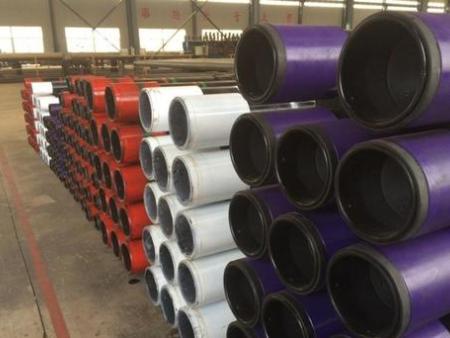 In conclusion, transforming the manufacturing quality of oil casing requires a strategic focus on training and development for quality assurance. By equipping employees with the necessary knowledge and skills, fostering a culture of continuous improvement, and emphasizing practical experience, organizations can significantly enhance their production processes. Ultimately, a well-trained workforce is the cornerstone of quality assurance, leading to superior oil casing products that meet the rigorous demands of the industry. Through these efforts, companies can not only improve their manufacturing quality but also position themselves as leaders in the competitive oil casing market.