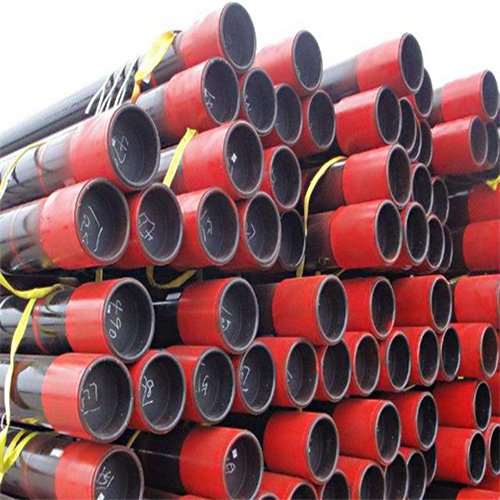
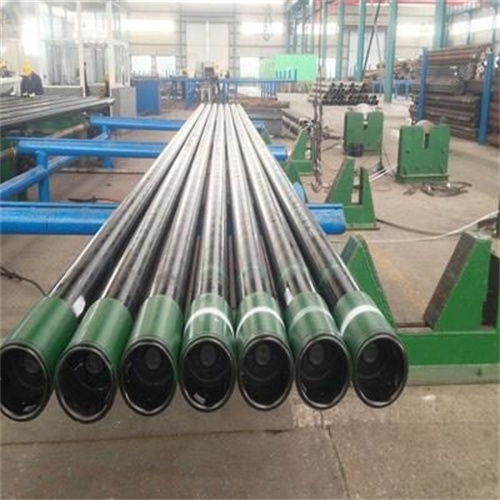
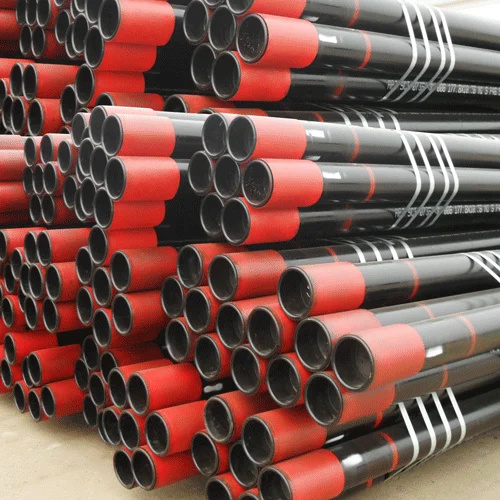
Implementing Continuous Improvement Strategies in Oil Casing Manufacturing
Implementing continuous improvement strategies in oil casing manufacturing is essential for enhancing product quality and operational efficiency. The Oil and Gas industry relies heavily on the integrity and reliability of oil casings, which serve as protective barriers in drilling operations. To transform the manufacturing quality of oil casing gradually, organizations must adopt a systematic approach that emphasizes ongoing enhancements in processes, Materials, and workforce capabilities. This journey begins with a thorough assessment of current manufacturing practices, identifying areas where inefficiencies or defects may arise. By utilizing methodologies such as Six Sigma or Lean Manufacturing, Companies can pinpoint specific issues that hinder quality and develop targeted solutions.
One of the first steps in this transformation is to foster a culture of quality within the organization. This involves engaging all employees, from management to the shop floor, in the quality improvement process. Training programs that emphasize the importance of quality and the role each employee plays in achieving it can significantly enhance awareness and accountability. Furthermore, establishing cross-functional teams can facilitate collaboration and knowledge sharing, allowing for diverse perspectives to contribute to problem-solving efforts. As employees become more invested in the quality of their work, they are more likely to identify potential improvements and innovations.
In addition to cultivating a quality-centric culture, organizations should leverage data analytics to monitor manufacturing processes continuously. By implementing real-time data collection systems, Manufacturers can gain insights into production metrics, defect rates, and equipment performance. This data-driven approach enables companies to make informed decisions and quickly address any deviations from quality standards. For instance, if a particular batch of oil casing exhibits higher-than-expected defect rates, manufacturers can trace the issue back to specific processes or materials, allowing for timely corrective actions.
Moreover, investing in advanced technologies can significantly enhance the quality of oil casing manufacturing. Automation and robotics can improve precision and consistency in production, reducing the likelihood of human error. Additionally, incorporating advanced materials and coatings can enhance the durability and performance of oil casings, ensuring they meet the rigorous demands of the industry. By staying abreast of technological advancements and integrating them into manufacturing processes, companies can maintain a competitive edge while improving product quality.
Another critical aspect of continuous improvement is the implementation of feedback loops. Establishing mechanisms for gathering feedback from customers and stakeholders can provide valuable insights into product performance and areas for enhancement. Regularly soliciting input from field operators and clients can help manufacturers understand the real-world challenges faced by their products, guiding future design and production efforts. This iterative process of feedback and refinement is vital for ensuring that oil casings not only meet but exceed industry standards.
Finally, it is essential to recognize that transforming manufacturing quality is not a one-time effort but a continuous journey. Organizations must commit to regularly reviewing and updating their improvement strategies to adapt to changing market conditions and technological advancements. By fostering a mindset of continuous improvement, manufacturers can create a resilient and agile production environment that consistently delivers high-quality oil casings. In conclusion, the gradual transformation of manufacturing quality in oil casing production requires a multifaceted approach that encompasses cultural change, data-driven decision-making, technological investment, and ongoing feedback. By embracing these strategies, companies can enhance their operational efficiency and product reliability, ultimately contributing to the overall success of the oil and gas industry.
The Role of Technology in Enhancing Oil Casing Quality
The manufacturing quality of oil casing is crucial for the overall efficiency and safety of oil extraction processes. As the industry faces increasing demands for higher quality standards, the role of technology in enhancing oil casing quality becomes paramount. The integration of advanced technologies not only streamlines production processes but also significantly improves the durability and reliability of oil casing products. One of the most impactful technological advancements in this field is the implementation of automation and robotics. By utilizing automated systems, manufacturers can achieve greater precision in the production of oil casing components. This precision reduces the likelihood of defects, ensuring that each casing meets stringent quality specifications. Furthermore, automation allows for consistent production rates, minimizing variations that can occur in manual processes. As a result, manufacturers can maintain a steady output of high-quality products, which is essential in meeting the demands of the oil industry.
In addition to automation, the adoption of advanced materials science plays a critical role in enhancing the quality of oil casing. The development of new alloys and composite materials has led to the creation of casings that are not only stronger but also more resistant to corrosion and wear. These materials are engineered to withstand the harsh conditions often encountered in oil extraction, such as high pressures and extreme temperatures. By investing in research and development, manufacturers can continuously improve the material properties of oil casing, thereby extending its lifespan and reducing the need for frequent replacements. This not only benefits the manufacturers by lowering production costs but also enhances the overall safety and efficiency of oil extraction operations.
Moreover, the use of data analytics and machine learning in the manufacturing process has revolutionized quality control measures. By collecting and analyzing data from various stages of production, manufacturers can identify patterns and trends that may indicate potential quality issues. This proactive approach allows for timely interventions, ensuring that any deviations from quality standards are addressed before they escalate into larger problems. Additionally, predictive Maintenance powered by data analytics can help manufacturers anticipate equipment failures, thereby minimizing downtime and maintaining consistent production quality. The integration of these technologies fosters a culture of continuous improvement, where manufacturers are constantly seeking ways to enhance their processes and products.
Furthermore, the role of digital twins in the manufacturing of oil casing cannot be overlooked. A digital twin is a virtual representation of a physical product or process, allowing manufacturers to simulate and analyze performance under various conditions. By utilizing digital twins, manufacturers can optimize their production processes, test new designs, and predict how changes will impact the quality of the final product. This innovative approach not only accelerates the development of new oil casing designs but also ensures that they meet the required quality standards before they are produced on a large scale.
In conclusion, the transformation of manufacturing quality in oil casing is significantly influenced by the adoption of advanced technologies. Automation and robotics enhance precision and consistency, while advancements in materials science lead to stronger and more durable products. The integration of data analytics and machine learning facilitates proactive quality control, and the use of digital twins allows for optimization and innovation in design. As the oil industry contiNues to evolve, embracing these technological advancements will be essential for manufacturers aiming to improve the quality of oil casing and meet the ever-increasing demands of the market. By prioritizing technology in their manufacturing processes, companies can ensure that they remain competitive and deliver high-quality products that contribute to the safety and efficiency of oil extraction operations.
Training and Development for Quality Assurance in Oil Casing Production
In the oil casing production industry, ensuring high-quality standards is paramount for the safety and efficiency of operations. One of the most effective ways to achieve this is through comprehensive training and development programs focused on quality assurance. By investing in the skills and knowledge of employees, organizations can foster a culture of quality that permeates every aspect of the manufacturing process. This approach not only enhances the capabilities of the workforce but also leads to significant improvements in the overall quality of oil casing products.
To begin with, it is essential to identify the specific quality standards and regulations that govern oil casing production. Understanding these requirements provides a foundation upon which training programs can be built. Employees must be well-versed in industry standards, such as tHose set by the American Petroleum Institute ( API) and other relevant organizations. By incorporating these standards into training modules, companies can ensure that their workforce is equipped with the necessary knowledge to meet and exceed quality expectations.
Moreover, training should not be a one-time event but rather an ongoing process. Continuous education allows employees to stay updated on the latest advancements in manufacturing techniques, materials, and quality control measures. This can be achieved through workshops, seminars, and online courses that focus on emerging trends and technologies in the oil casing industry. By fostering a culture of lifelong learning, organizations can empower their employees to take ownership of quality assurance in their daily tasks.
In addition to technical training, it is crucial to develop soft skills that contribute to a quality-focused work environment. Effective communication, teamwork, and problem-solving abilities are essential for identifying and addressing quality issues as they arise. Training programs should incorporate these elements, encouraging employees to collaborate and share insights on best practices. By promoting a team-oriented approach, organizations can create a supportive atmosphere where quality is a shared responsibility.
Oil Tube china high-quality FactoryFurthermore, hands-on training is vital for reinforcing theoretical knowledge. Practical experience allows employees to apply what they have learned in real-world scenarios, thereby solidifying their understanding of quality assurance processes. This can be achieved through simulations, on-the-job training, and mentorship programs, where experienced employees guide newcomers in implementing quality control measures. Such initiatives not only enhance skill development but also foster a sense of camaraderie among team members.
To measure the effectiveness of training and development programs, organizations should establish clear metrics and benchmarks. Regular assessments can help identify areas for improvement and ensure that employees are meeting the desired quality standards. Feedback mechanisms, such as surveys and performance reviews, can provide valuable insights into the training process and its impact on manufacturing quality. By continuously evaluating and refining training initiatives, companies can adapt to changing industry demands and maintain a high level of quality assurance.
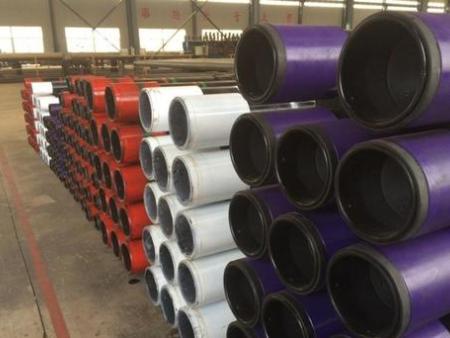 In conclusion, transforming the manufacturing quality of oil casing requires a strategic focus on training and development for quality assurance. By equipping employees with the necessary knowledge and skills, fostering a culture of continuous improvement, and emphasizing practical experience, organizations can significantly enhance their production processes. Ultimately, a well-trained workforce is the cornerstone of quality assurance, leading to superior oil casing products that meet the rigorous demands of the industry. Through these efforts, companies can not only improve their manufacturing quality but also position themselves as leaders in the competitive oil casing market.