أهمية المواد الثمينة في أغلفة النفط
علاوة على ذلك، فإن الخواص الميكانيكية للمواد الثمينة تعزز السلامة الهيكلية لغلاف الزيت. غالبًا ما تمتلك هذه المواد قوة شد وصلابة فائقة مقارنة بالفولاذ التقليدي. ومع تقدم عمليات الحفر في عمق الأرض، تزداد الضغوط والضغوط التي تواجهها بشكل ملحوظ. إن استخدام المواد الثمينة في بناء غلاف الزيت يسمح بتصميم الأنابيب التي يمكنها تحمل هذه الظروف القاسية دون المساس بالسلامة. تعتبر هذه القدرة حاسمة بشكل خاص في الحفر في المياه العميقة واستخراج الموارد غير التقليدية، حيث تتضخم التحديات.
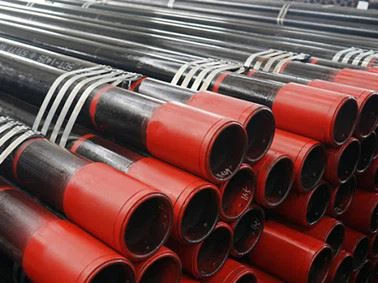
طرق اختبار وتحليل المواد الثمينة في أغلفة النفط
لطالما كان التنقيب عن النفط واستخراجه أمرًا بالغ الأهمية للاقتصاد العالمي، مما يستلزم استخدام مواد متقدمة في بناء أغلفة النفط. مع تطور الصناعة، أدى الطلب على المواد عالية الأداء التي يمكنها تحمل الظروف القاسية إلى زيادة التركيز على المواد الثمينة. يعد اختبار هذه المواد وتحليلها أمرًا ضروريًا لضمان موثوقيتها وفعاليتها في تطبيقات تغليف الزيت. تم تطوير طرق مختلفة لتقييم خصائص وأداء هذه المواد، حيث تساهم كل منها بمعلومات قيمة حول مدى ملاءمتها للاستخدام في البيئات القاسية التي تواجه استخراج النفط.
إحدى الطرق الأساسية لاختبار المواد الثمينة في أغلفة النفط هي الاختبار الميكانيكي. ، الذي يقيم قوة المادة وليونتها وصلابتها. يتم استخدام تقنيات مثل اختبار الشد، واختبار الضغط، واختبار التأثير بشكل شائع لتحديد كيفية تصرف المواد في ظل ظروف الإجهاد المختلفة. من خلال تطبيق قوى يتم التحكم فيها على العينات، يمكن للمهندسين جمع البيانات حول قوة الخضوع، وقوة الشد القصوى، والاستطالة، والتي تعد ضرورية للتنبؤ بكيفية أداء المواد في تطبيقات العالم الحقيقي. يعد هذا التوصيف الميكانيكي أمرًا حيويًا، لأنه يساعد في تحديد المواد التي يمكنها تحمل الضغوط العالية ودرجات الحرارة الموجودة في آبار النفط.
بالإضافة إلى الاختبارات الميكانيكية، يلعب التحليل المعدني دورًا حاسمًا في فهم الخصائص الهيكلية الدقيقة للمواد الثمينة. تسمح تقنيات مثل المجهر الإلكتروني الماسح (SEM) وحيود الأشعة السينية (XRD) للباحثين بفحص البنية المجهرية للمادة وتكوين الطور. توفر هذه التحليلات نظرة ثاقبة لحجم الحبوب، وتوزيع الطور، ووجود أي عيوب أو شوائب يمكن أن تؤثر على سلامة المادة. من خلال ربط ميزات البنية المجهرية بالخصائص الميكانيكية، يمكن للمهندسين اتخاذ قرارات مستنيرة بشأن اختيار المواد وطرق المعالجة، مما يؤدي في النهاية إلى تعزيز أداء غلاف الزيت.
علاوة على ذلك، يعد اختبار التآكل جانبًا أساسيًا لتقييم المواد الثمينة المستخدمة في غلاف الزيت. ونظرًا للبيئات العدوانية التي تواجه عملية استخراج النفط، يجب أن تقاوم المواد التآكل لضمان طول العمر والموثوقية. يتم استخدام طرق مختلفة، بما في ذلك اختبارات رش الملح والتحليل الطيفي للمقاومة الكهروكيميائية، لتقييم مقاومة المواد للتآكل. تحاكي هذه الاختبارات الظروف التي ستواجهها المواد في الميدان، مما يسمح للباحثين بتقييم أدائها مع مرور الوقت. يعد فهم كيفية تفاعل المواد مع العوامل المسببة للتآكل أمرًا بالغ الأهمية لمنع حالات الفشل التي قد تؤدي إلى فترات توقف مكلفة ومخاطر بيئية.
هناك طريقة مهمة أخرى لتحليل المواد الثمينة وهي الاختبار غير المدمر (NDT). تقنيات مثل الاختبار بالموجات فوق الصوتية، والاختبار الشعاعي، واختبار الجسيمات المغناطيسية تمكن المهندسين من تقييم سلامة المواد دون التسبب في ضرر. تعتبر الاختبارات غير التدميرية ذات قيمة خاصة في صناعة النفط، حيث يمكن للقدرة على فحص المواد في الموقع أن تمنع حدوث أعطال كارثية. من خلال تحديد العيوب أو التناقضات في المواد قبل أن تؤدي إلى مشاكل كبيرة، تساهم الاختبارات غير التدميرية في السلامة العامة والموثوقية لغلاف النفط.
في الختام، يتضمن فحص المواد الثمينة لغلاف النفط نهجًا متعدد الأوجه يجمع بين الاختبارات الميكانيكية والاختبارات المعدنية. التحليل واختبار التآكل والاختبار غير المدمر. توفر كل طريقة رؤى فريدة حول خصائص وأداء المواد، مما يضمن اختيار المرشحين الأكثر ملاءمة فقط للاستخدام في البيئات الصعبة لاستخراج النفط. مع استمرار تطور الصناعة، ستزداد أهمية طرق الاختبار والتحليل هذه، مما يدفع الابتكار ويعزز سلامة وكفاءة إنتاج النفط.
Methods for Testing and Analyzing Precious Materials in Oil Casing
The exploration and extraction of oil have long been critical to the global economy, necessitating the use of advanced materials in the Construction of oil casing. As the industry evolves, the demand for high-performance materials that can withstand extreme conditions has led to an increased focus on precious materials. Testing and analyzing these materials is essential to ensure their reliability and effectiveness in oil casing applications. Various methods have been developed to assess the properties and performance of these materials, each contributing valuable insights into their suitability for use in the harsh environments encountered in oil extraction.
One of the primary methods for testing precious materials in oil casing is mechanical testing, which evaluates the material’s strength, ductility, and toughness. Techniques such as tensile testing, compression testing, and impact testing are commonly employed to determine how materials behave under different stress conditions. By applying controlled forces to samples, engineers can gather data on yield strength, ultimate tensile strength, and elongation, which are critical for predicting how materials will perform in real-world applications. This mechanical characterization is vital, as it helps identify materials that can endure the high pressures and temperatures found in Oil Wells.
In addition to mechanical testing, metallurgical analysis plays a crucial role in understanding the microstructural properties of precious materials. Techniques such as scanning electron microscopy (SEM) and X-ray diffraction (XRD) allow researchers to examine the material’s microstructure and phase composition. These analyses provide insights into grain size, phase distribution, and the presence of any defects or inclusions that could compromise the material’s integrity. By correlating microstructural features with mechanical properties, engineers can make informed decisions about material selection and processing methods, ultimately enhancing the performance of oil casing.
Furthermore, corrosion testing is an essential aspect of evaluating precious materials used in oil casing. Given the aggressive environments encountered in oil extraction, materials must resist corrosion to ensure longevity and reliability. Various methods, including salt spray tests and electrochemical impedance spectroscopy, are employed to assess the Corrosion resistance of materials. These tests simulate the conditions that materials will face in the field, allowing researchers to evaluate their performance over time. Understanding how materials react to corrosive agents is critical for preventing failures that could lead to costly downtime and environmental hazards.
Another important method for analyzing precious materials is Non-destructive testing (NDT). Techniques such as ultrasonic testing, radiographic testing, and magnetic particle testing enable engineers to assess the integrity of materials without causing damage. NDT is particularly valuable in the oil industry, where the ability to inspect materials in situ can prevent catastrophic failures. By identifying flaws or inconsistencies in the material before they lead to significant issues, NDT contributes to the overall safety and reliability of oil casing.
In conclusion, the investigation of precious materials for oil casing involves a multifaceted approach that combines mechanical testing, metallurgical analysis, corrosion testing, and non-destructive testing. Each method provides unique insights into the properties and performance of materials, ensuring that only the most suitable candidates are selected for use in the demanding environments of oil extraction. As the industry contiNues to evolve, the importance of these testing and analysis methods will only grow, driving innovation and enhancing the safety and efficiency of oil production.