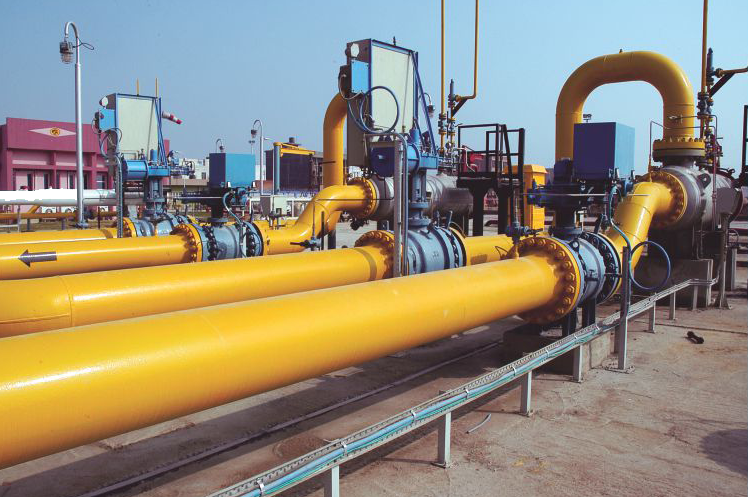
Importance des matériaux précieux dans les cuvelages pétroliers
Méthodes de test et d’analyse des matériaux précieux dans les cuvelages pétroliers
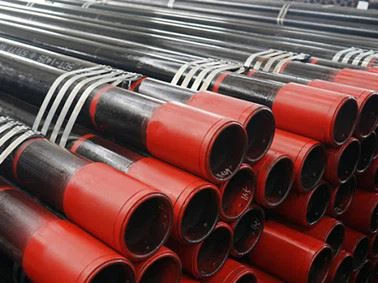
L’exploration et l’extraction du pétrole sont depuis longtemps essentielles à l’économie mondiale, nécessitant l’utilisation de matériaux avancés dans la Construction des cuvelages pétroliers. À mesure que l’industrie évolue, la demande de matériaux hautes performances capables de résister à des conditions extrêmes a conduit à une concentration accrue sur les matériaux précieux. Tester et analyser ces matériaux est essentiel pour garantir leur fiabilité et leur efficacité dans les applications de carters pétroliers. Diverses méthodes ont été développées pour évaluer les propriétés et les performances de ces matériaux, chacune apportant des informations précieuses sur leur aptitude à être utilisées dans les environnements difficiles rencontrés dans l’extraction pétrolière.
L’une des principales méthodes de test des matériaux précieux dans les carters pétroliers est l’essai mécanique. , qui évalue la résistance, la ductilité et la ténacité du matériau. Des techniques telles que les essais de traction, les essais de compression et les essais d’impact sont couramment utilisées pour déterminer le comportement des matériaux dans différentes conditions de contrainte. En appliquant des forces contrôlées aux échantillons, les ingénieurs peuvent recueillir des données sur la limite d’élasticité, la résistance à la traction ultime et l’allongement, qui sont essentielles pour prédire les performances des matériaux dans des applications réelles. Cette caractérisation mécanique est vitale, car elle permet d’identifier les matériaux capables de supporter les pressions et températures élevées rencontrées dans les puits de pétrole.
En plus des tests mécaniques, l’analyse métallurgique joue un rôle crucial dans la compréhension des propriétés microstructurales des matériaux précieux. Des techniques telles que la microscopie électronique à balayage (MEB) et la diffraction des rayons X (DRX) permettent aux chercheurs d’examiner la microstructure et la composition des phases du matériau. Ces analyses fournissent des informations sur la taille des grains, la distribution des phases et la présence de défauts ou d’inclusions susceptibles de compromettre l’intégrité du matériau. En corrélant les caractéristiques microstructurales avec les propriétés mécaniques, les ingénieurs peuvent prendre des décisions éclairées concernant la sélection des matériaux et les méthodes de traitement, améliorant ainsi les performances du carter d’huile.
De plus, les tests de corrosion sont un aspect essentiel de l’évaluation des matériaux précieux utilisés dans le carter d’huile. Compte tenu des environnements agressifs rencontrés dans l’extraction pétrolière, les matériaux doivent résister à la corrosion pour garantir longévité et fiabilité. Diverses méthodes, notamment les tests au brouillard salin et la spectroscopie d’impédance électrochimique, sont utilisées pour évaluer la résistance à la corrosion des matériaux. Ces tests simulent les conditions auxquelles les matériaux seront confrontés sur le terrain, permettant aux chercheurs d’évaluer leurs performances au fil du temps. Comprendre comment les matériaux réagissent aux agents corrosifs est essentiel pour prévenir les pannes qui pourraient entraîner des temps d’arrêt coûteux et des risques environnementaux.
Une autre méthode importante pour analyser les matériaux précieux est le contrôle non destructif (CND). Des techniques telles que les tests par ultrasons, les tests radiographiques et les tests par magnétoscopie permettent aux ingénieurs d’évaluer l’intégrité des matériaux sans causer de dommages. Les CND sont particulièrement utiles dans l’industrie pétrolière, où la capacité d’inspecter les matériaux sur place peut éviter des pannes catastrophiques. En identifiant les défauts ou les incohérences dans le matériau avant qu’ils n’entraînent des problèmes importants, les CND contribuent à la sécurité et à la fiabilité globales du carter d’huile.
En conclusion, l’investigation des matériaux précieux pour le carter d’huile implique une approche multiforme qui combine essais mécaniques, métallurgiques analyses, tests de corrosion et tests non destructifs. Chaque méthode fournit des informations uniques sur les propriétés et les performances des matériaux, garantissant que seuls les candidats les plus adaptés sont sélectionnés pour être utilisés dans les environnements exigeants de l’extraction pétrolière. À mesure que l’industrie contiNue d’évoluer, l’importance de ces méthodes de test et d’analyse ne fera que croître, stimulant l’innovation et améliorant la sécurité et l’efficacité de la production pétrolière.
In addition to their mechanical and chemical advantages, precious Materials also contribute to the efficiency of drilling operations. The lightWeight nature of certain alloys can lead to reduced overall weight of the Casing, which in turn facilitates easier handling and installation. This reduction in weight can also lead to lower energy consumption during the drilling process, as less force is required to maneuver the casing into place. Consequently, the use of precious materials not only enhances operational efficiency but also aligns with the industry’s growing emphasis on sustainability and reducing the carbon footprint of drilling activities.
Oilfield drill PipeFurthermore, the integration of precious materials into Oil Casing can enhance the overall safety of drilling operations. The risk of well blowouts, which can have devastating consequences, is significantly mitigated when high-quality materials are employed. By ensuring that the casing can withstand the pressures and conditions encountered during drilling, operators can maintain better control over the well and reduce the likelihood of accidents. This focus on safety is paramount, as the Oil and Gas industry faces increasing scrutiny from regulatory bodies and the public regarding environmental protection and worker safety.
In conclusion, the importance of precious materials in oil casing is multifaceted, encompassing aspects of durability, mechanical strength, operational efficiency, and safety. As the industry continues to evolve and face new challenges, the adoption of advanced materials will be essential in ensuring the reliability and effectiveness of oil extraction processes. By investing in high-quality casing solutions, operators can not only protect their investments but also contribute to a more sustainable and responsible approach to resource extraction. The ongoing research and development in this area will undoubtedly yield further innovations, solidifying the role of precious materials as a cornerstone of modern oil and gas operations.
Methods for Testing and Analyzing Precious Materials in Oil Casing
The exploration and extraction of oil have long been critical to the global economy, necessitating the use of advanced materials in the construction of oil casing. As the industry evolves, the demand for high-performance materials that can withstand extreme conditions has led to an increased focus on precious materials. Testing and analyzing these materials is essential to ensure their reliability and effectiveness in oil casing applications. Various methods have been developed to assess the properties and performance of these materials, each contributing valuable insights into their suitability for use in the harsh environments encountered in oil extraction.
One of the primary methods for testing precious materials in oil casing is mechanical testing, which evaluates the material’s strength, ductility, and toughness. Techniques such as tensile testing, compression testing, and impact testing are commonly employed to determine how materials behave under different stress conditions. By applying controlled forces to samples, engineers can gather data on yield strength, ultimate tensile strength, and elongation, which are critical for predicting how materials will perform in real-world applications. This mechanical characterization is vital, as it helps identify materials that can endure the high pressures and temperatures found in Oil Wells.
In addition to mechanical testing, metallurgical analysis plays a crucial role in understanding the microstructural properties of precious materials. Techniques such as scanning electron microscopy (SEM) and X-ray diffraction (XRD) allow researchers to examine the material’s microstructure and phase composition. These analyses provide insights into grain size, phase distribution, and the presence of any defects or inclusions that could compromise the material’s integrity. By correlating microstructural features with mechanical properties, engineers can make informed decisions about material selection and processing methods, ultimately enhancing the performance of oil casing.
Furthermore, corrosion testing is an essential aspect of evaluating precious materials used in oil casing. Given the aggressive environments encountered in oil extraction, materials must resist corrosion to ensure longevity and reliability. Various methods, including salt spray tests and electrochemical impedance spectroscopy, are employed to assess the Corrosion resistance of materials. These tests simulate the conditions that materials will face in the field, allowing researchers to evaluate their performance over time. Understanding how materials react to corrosive agents is critical for preventing failures that could lead to costly downtime and environmental hazards.
Another important method for analyzing precious materials is Non-destructive testing (NDT). Techniques such as ultrasonic testing, radiographic testing, and magnetic particle testing enable engineers to assess the integrity of materials without causing damage. NDT is particularly valuable in the oil industry, where the ability to inspect materials in situ can prevent catastrophic failures. By identifying flaws or inconsistencies in the material before they lead to significant issues, NDT contributes to the overall safety and reliability of oil casing.
In conclusion, the investigation of precious materials for oil casing involves a multifaceted approach that combines mechanical testing, metallurgical analysis, corrosion testing, and non-destructive testing. Each method provides unique insights into the properties and performance of materials, ensuring that only the most suitable candidates are selected for use in the demanding environments of oil extraction. As the industry continues to evolve, the importance of these testing and analysis methods will only grow, driving innovation and enhancing the safety and efficiency of oil production.
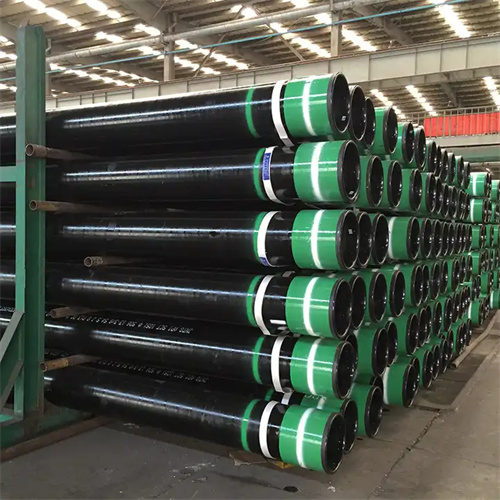
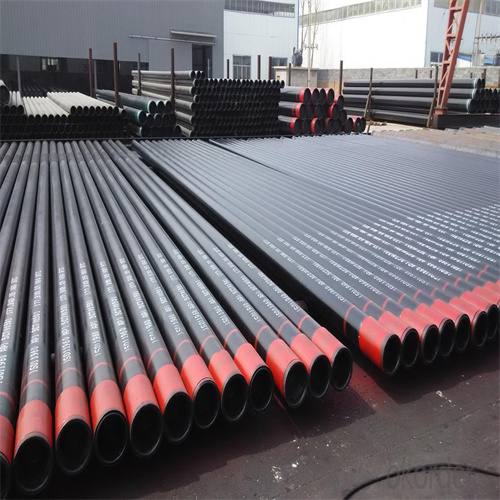
![oil tube wholesaler,[oil tube] Chinese high-grade supplier,oil pipeline company, oil pipe welder](https://www.casingtube.com/wp-content/uploads/2023/10/maxresdefault-10-768x432.jpg)