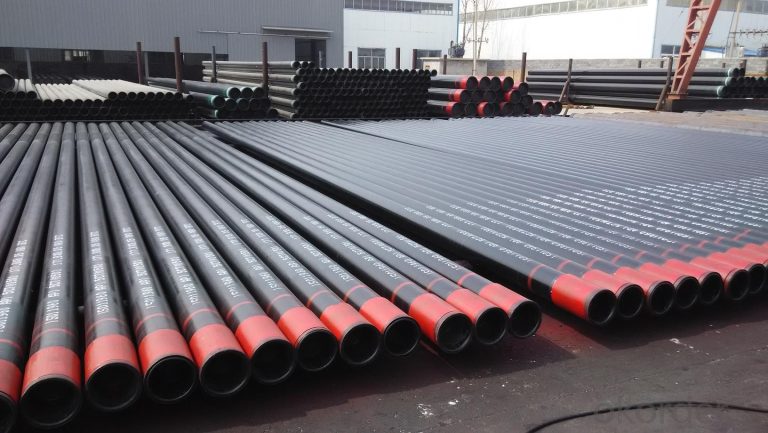
تقنيات الأتمتة في إنتاج أغلفة النفط الحديثة
تنفيذ إنترنت الأشياء وتحليلات البيانات لتحسين تصنيع أغلفة الزيت
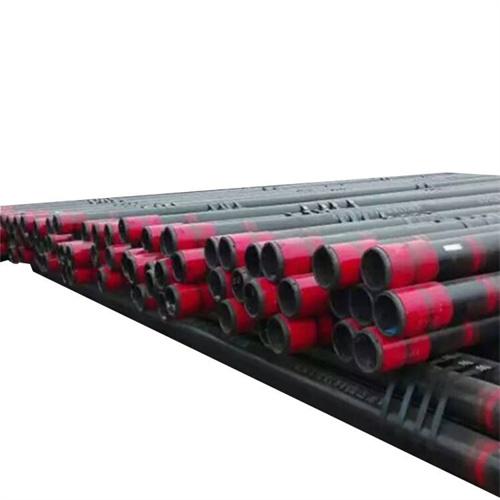 يعد تحديث إجراءات إنتاج أغلفة النفط أمرًا بالغ الأهمية في المشهد الصناعي التنافسي اليوم. لقد أحدث تطبيق إنترنت الأشياء (IoT) وتحليلات البيانات ثورة في عملية تصنيع أغلفة النفط، مما أدى إلى تعزيز الكفاءة وفعالية التكلفة والإنتاجية الإجمالية. من خلال دمج أجهزة إنترنت الأشياء والاستفادة من تحليلات البيانات، يمكن لمصنعي أغلفة النفط تحسين عملياتهم وتحسين مراقبة الجودة وتبسيط سير عمل الإنتاج.
إحدى المزايا الرئيسية لدمج إنترنت الأشياء في إنتاج أغلفة النفط هي مراقبتها والتحكم فيها في الوقت الفعلي. العروض. يمكن لمستشعرات إنترنت الأشياء المدمجة في معدات التصنيع جمع بيانات قيمة حول معايير مختلفة مثل درجة الحرارة والضغط ومستويات الاهتزاز. ثم يتم نقل هذه البيانات إلى نظام مركزي حيث يمكن تحليلها في الوقت الحقيقي. من خلال مراقبة هذه المقاييس المهمة بشكل مستمر، يمكن للمصنعين اكتشاف الحالات الشاذة أو المشكلات المحتملة في وقت مبكر، مما يسمح بالتدخل في الوقت المناسب والصيانة الوقائية.
تلعب تحليلات البيانات دورًا محوريًا في استخلاص رؤى قابلة للتنفيذ من الكم الهائل من البيانات التي تم إنشاؤها بواسطة أجهزة إنترنت الأشياء. يمكن لأدوات التحليل المتقدمة معالجة مجموعات البيانات المعقدة وتحليلها لتحديد الأنماط والاتجاهات والارتباطات التي قد لا تكون واضحة من خلال التحليل اليدوي. من خلال تسخير قوة تحليلات البيانات، يمكن للمصنعين اتخاذ قرارات تعتمد على البيانات، وتحسين عمليات الإنتاج، والتنبؤ بمتطلبات الصيانة بدقة.
علاوة على ذلك، أحدثت الصيانة التنبؤية المدعمة بإنترنت الأشياء تحولًا كبيرًا في الطريقة التي تدير بها منشآت إنتاج أغلفة النفط صيانة المعدات. ومن خلال استخدام خوارزميات التحليلات التنبؤية، يمكن للمصنعين التنبؤ بالموعد المحتمل لتعطل الآلة بناءً على البيانات التاريخية واتجاهات الأداء. يساعد هذا النهج الاستباقي للصيانة على منع التوقف غير المتوقع، ويقلل تكاليف الصيانة، ويطيل عمر المعدات المهمة.
بالإضافة إلى الصيانة التنبؤية، فإن إنترنت الأشياء وتحليلات البيانات تمكن الشركات المصنعة من تنفيذ استراتيجيات المراقبة القائمة على الحالة. ومن خلال المراقبة المستمرة لحالة المعدات في الوقت الفعلي، يمكن للمصنعين تحديد المشكلات المحتملة قبل أن تتفاقم إلى أعطال مكلفة. لا يعمل نهج المراقبة الاستباقي هذا على تعزيز موثوقية المعدات فحسب، بل يعمل أيضًا على تحسين الكفاءة التشغيلية الشاملة.
كما يسهل تكامل إنترنت الأشياء وتحليلات البيانات المراقبة عن بعد وإدارة مرافق إنتاج أغلفة النفط. يمكن للمصنعين الوصول إلى المعدات والتحكم فيها عن بعد، ومراقبة عمليات الإنتاج، وتتبع مؤشرات الأداء الرئيسية من أي مكان في العالم. يعمل هذا المستوى من الرؤية والتحكم عن بعد على تعزيز المرونة التشغيلية، ويتيح اتخاذ قرارات أسرع، ويضمن مراقبة العمليات الحيوية على مدار الساعة.
علاوة على ذلك، فإن تنفيذ إنترنت الأشياء وتحليلات البيانات في تصنيع أغلفة النفط يعزز ثقافة التحسين المستمر والابتكار. ومن خلال تحليل بيانات الإنتاج ومقاييس الأداء، يمكن للمصنعين تحديد مجالات التحسين وتنفيذ تحسينات العملية وتحقيق التميز التشغيلي. يضمن هذا النهج التكراري للتحسين أن عمليات التصنيع تتطور باستمرار لتلبية متطلبات السوق الديناميكي.
في الختام، يؤدي تكامل إنترنت الأشياء وتحليلات البيانات إلى إحداث ثورة في إجراءات إنتاج أغلفة النفط من خلال تعزيز الكفاءة وتحسين ممارسات الصيانة وتمكين البيانات – اتخاذ القرار الموجه. ومن خلال تبني هذه التقنيات، يمكن لمصنعي أغلفة الزيت البقاء في صدارة المنافسة، وتحسين جودة المنتج، ودفع النمو المستدام في الصناعة. يكمن مستقبل تصنيع أغلفة النفط في الاستفادة من إنترنت الأشياء وتحليلات البيانات لفتح إمكانيات جديدة ودفع الابتكار في هذا القطاع.
Modernizing Oil Casing production routines is crucial in today’s competitive industrial landscape. Implementing IoT (Internet of Things) and data analytics has revolutionized the oil casing manufacturing process, leading to enhanced efficiency, cost-effectiveness, and overall productivity. By integrating IoT devices and leveraging data analytics, oil casing Manufacturers can optimize their operations, improve quality control, and streamline the production workflow.
One of the key advantages of incorporating IoT in oil casing production is the real-time monitoring and control it offers. IoT sensors embedded in manufacturing equipment can collect valuable data on various parameters such as temperature, pressure, and vibration levels. This data is then transmitted to a centralized system where it can be analyzed in real-time. By monitoring these critical metrics continuously, Manufacturers can detect anomalies or potential issues early on, allowing for timely intervention and preventive Maintenance.
Data analytics plays a pivotal role in extracting actionable insights from the vast amount of data generated by IoT devices. Advanced analytics tools can process and analyze complex data sets to identify patterns, trends, and correlations that may not be apparent through manual analysis. By harnessing the power of data analytics, manufacturers can make data-driven decisions, optimize production processes, and predict maintenance requirements accurately.
Furthermore, IoT-enabled predictive maintenance has significantly transformed the way oil casing production facilities manage equipment maintenance. By utilizing predictive analytics algorithms, manufacturers can predict when a machine is likely to fail based on historical data and performance trends. This proactive approach to maintenance helps prevent unexpected downtime, reduces maintenance costs, and extends the lifespan of critical equipment.
In addition to predictive maintenance, IoT and data analytics enable manufacturers to implement condition-based monitoring strategies. By continuously monitoring the condition of equipment in real-time, manufacturers can identify potential issues before they escalate into costly failures. This proactive monitoring approach not only enhances equipment reliability but also improves overall operational efficiency.
The integration of IoT and data analytics also facilitates remote monitoring and management of oil casing production facilities. Manufacturers can remotely access and control equipment, monitor production processes, and track key performance indicators from anywhere in the world. This level of remote visibility and control enhances operational flexibility, enables faster decision-making, and ensures round-the-clock monitoring of critical processes.
Moreover, the implementation of IoT and data analytics in oil casing manufacturing fosters a culture of continuous improvement and innovation. By analyzing production data and performance metrics, manufacturers can identify areas for optimization, implement process enhancements, and drive operational excellence. This iterative approach to improvement ensures that manufacturing processes are constantly evolving to meet the demands of a dynamic market.
In conclusion, the integration of IoT and data analytics is revolutionizing oil casing production routines by enhancing efficiency, optimizing maintenance practices, and enabling data-driven decision-making. By embracing these technologies, oil casing manufacturers can stay ahead of the competition, improve product quality, and drive sustainable growth in the industry. The future of oil casing manufacturing lies in leveraging IoT and data analytics to unlock new possibilities and drive innovation in the sector.