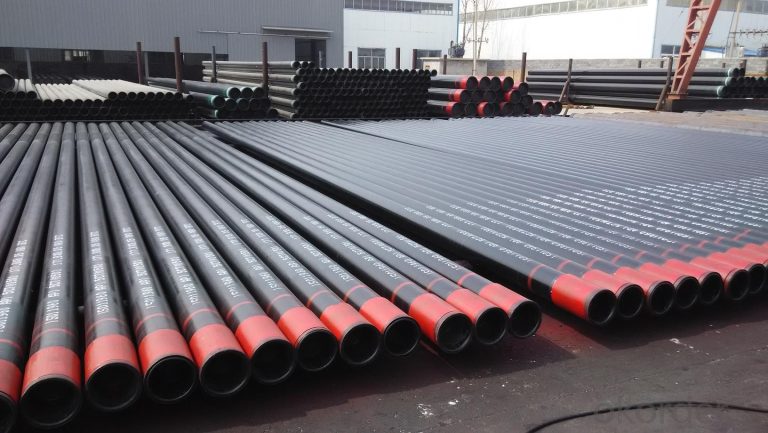
اختلافات العمر بين أنابيب API وASTM
دراسات حالة النفط والغاز

علاوة على ذلك، فإن معايير التصنيع وعمليات مراقبة الجودة لأنابيب API وASTM يمكن أن تؤثر على عمرها الافتراضي. يتم تصنيع أنابيب API وفقًا لإرشادات صارمة وضعتها API لضمان الاتساق في الجودة والأداء. تغطي هذه المعايير جوانب مختلفة من إنتاج الأنابيب، بما في ذلك اختبار المواد وإجراءات اللحام وبروتوكولات الفحص، والتي تساهم جميعها في إطالة عمر أنابيب API.
بالمقارنة، يتم تصنيع أنابيب ASTM وفقًا للمعايير التي وضعتها ASTM، والتي التركيز على خصائص المواد والأبعاد وطرق الاختبار. في حين أن معايير ASTM تضمن جودة وموثوقية الأنابيب لتطبيقات متنوعة، فإن العمر الافتراضي لأنابيب ASTM قد يتأثر بالاختلافات في عمليات التصنيع وإجراءات مراقبة الجودة التي تنفذها الشركات المصنعة المختلفة.
في الختام، الاختلافات في العمر بين أنابيب API وASTM تتأثر بعوامل مختلفة، بما في ذلك التطبيقات المقصودة، وتركيب المواد، ومعايير التصنيع، وعمليات مراقبة الجودة. يعد فهم هذه الاختلافات أمرًا ضروريًا لاختيار النوع المناسب من الأنابيب لتطبيقات صناعية محددة وضمان طول عمر أنظمة الأنابيب وكفاءتها. من خلال النظر في هذه العوامل، يمكن للصناعات اتخاذ قرارات مستنيرة فيما يتعلق باختيار وصيانة الأنابيب لتحسين الأداء وتقليل مخاطر الفشل المبكر.
Additionally, the Material composition of API and ASTM Pipes can impact their respective lifespans. API Pipes are often made from high-strength Carbon Steel or alloy steel to ensure structural integrity and resistance to corrosion. These materials are selected for their ability to withstand the demanding conditions encountered in the Oil and Gas industry, contributing to the longevity of API pipes.
In contrast, ASTM pipes are available in a wider range of materials, including carbon steel, Stainless Steel, and various alloys. The choice of material for ASTM pipes depends on the specific requirements of the application, such as Corrosion resistance, temperature tolerance, and mechanical properties. While ASTM pipes offer versatility in material selection, the lifespan of these pipes may vary depending on the material cHosen and its compatibility with the operating conditions.
Furthermore, the manufacturing standards and quality control processes for API and ASTM pipes can influence their lifespan. API pipes are manufactured according to strict guidelines set by the API to ensure consistency in quality and performance. These standards cover various aspects of pipe production, including material testing, welding procedures, and inspection protocols, all of which contribute to the longevity of API pipes.
In comparison, ASTM pipes are manufactured in accordance with standards established by the ASTM, which focus on material properties, dimensions, and testing methods. While ASTM standards ensure the quality and reliability of pipes for diverse applications, the lifespan of ASTM pipes may be affected by variations in manufacturing processes and quality control measures implemented by different Manufacturers.
In conclusion, the Differences in lifespan between API and ASTM pipes are influenced by various factors, including their intended applications, material composition, manufacturing standards, and quality control processes. Understanding these differences is essential for selecting the right type of pipe for specific industrial applications and ensuring the longevity and efficiency of piping systems. By considering these factors, industries can make informed decisions regarding the selection and Maintenance of pipes to optimize performance and minimize the risk of premature failure.