فوائد السمات الأصلية في تطوير المنتج
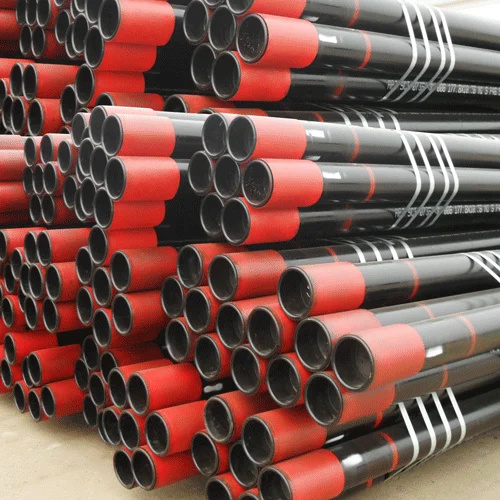
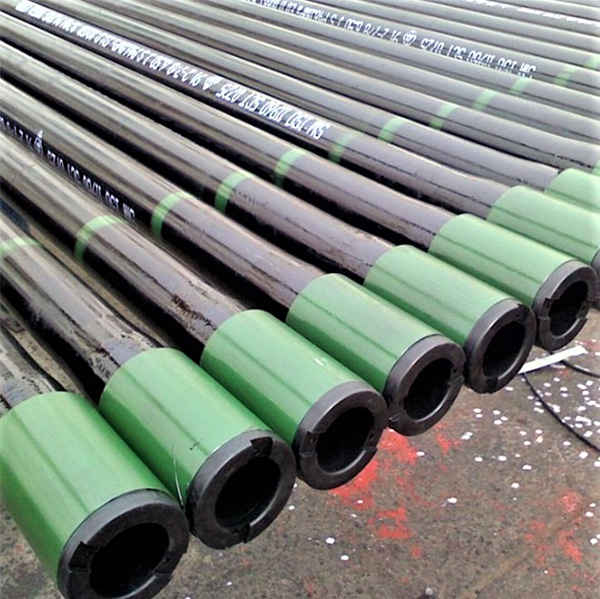
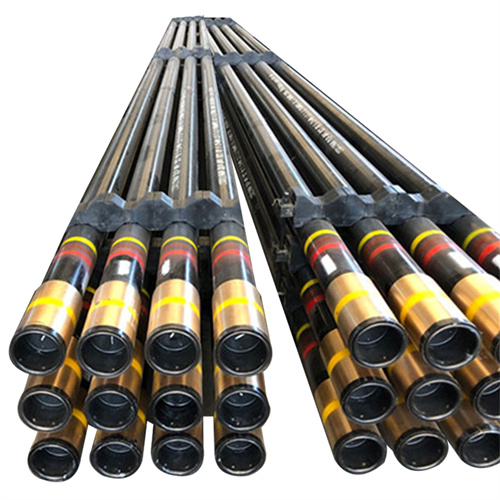
تلعب مواد تغليف النفط دورًا حاسمًا في صناعة النفط والغاز، حيث توفر الدعم الهيكلي والحماية للآبار أثناء عمليات الحفر والإنتاج. عندما يتعلق الأمر باختيار مادة الغلاف الأكثر ملاءمة لتطبيق معين، فمن الضروري مراعاة السمات الأصلية للمادة. تشير السمات الأصلية إلى الخصائص المتأصلة في المادة التي تؤثر على أدائها ومدى ملاءمتها لبيئات معينة.
إحدى الفوائد الرئيسية لأخذ السمات الأصلية في الاعتبار عند اختيار مواد تغليف الزيت هي القدرة على تحسين الأداء والمتانة. تظهر المواد المختلفة مستويات مختلفة من القوة، ومقاومة التآكل، والتوصيل الحراري، من بين خصائص أخرى. ومن خلال فهم السمات الأصلية لكل مادة، يمكن للمهندسين والمصممين اختيار المادة الأكثر ملاءمة التي تتوافق مع متطلبات ظروف البئر، مثل العمق والضغط ودرجة الحرارة والعناصر المسببة للتآكل الموجودة في سوائل المكمن.
علاوة على ذلك، تلعب السمات الأصلية لمواد تغليف النفط أيضًا دورًا مهمًا في تعزيز الكفاءة التشغيلية وفعالية التكلفة. يمكن للمواد ذات قوة الشد والمتانة العالية أن تتحمل الضغوط الميكانيكية والضغوط التي تتم مواجهتها أثناء الحفر والإنتاج، مما يقلل من مخاطر فشل الغلاف ومشاكل سلامة البئر. بالإضافة إلى ذلك، يمكن للمواد ذات خصائص مقاومة التآكل الممتازة إطالة عمر خدمة الغلاف، مما يقلل الحاجة إلى عمليات الاستبدال المتكررة وأنشطة الصيانة.
ميزة أخرى للنظر في السمات الأصلية في تطوير المنتج هي القدرة على تلبية المتطلبات التنظيمية ومعايير الصناعة. تخضع عمليات النفط والغاز للوائح صارمة تهدف إلى ضمان السلامة وحماية البيئة والموثوقية التشغيلية. ومن خلال اختيار مواد التغليف التي تمتلك السمات الأصلية اللازمة للوفاء بهذه المعايير، يمكن للشركات إثبات الامتثال للهيئات التنظيمية والتخفيف من المخاطر المحتملة المرتبطة بعدم الامتثال.
 العوامل التي يجب مراعاتها عند اختيار مواد تغليف الزيت
هناك اعتبار مهم آخر عند اختيار مواد تغليف النفط وهو التوافق مع المكونات الأخرى لنظام إكمال البئر. يجب أن يكون الغلاف قادرًا على تحمل عملية التثبيت، بما في ذلك المناولة والتشغيل والتثبيت، دون التعرض للتلف أو التشوه. يعد التوافق مع أدوات قاع البئر والتعبئة والمعدات الأخرى أمرًا ضروريًا أيضًا لضمان العزل المناسب لحفرة البئر وعزل المناطق. في حين أن السبائك عالية الأداء والمواد الغريبة قد توفر خصائص متفوقة، فإنها غالبا ما تأتي بتكلفة أعلى. يعد تحقيق التوازن بين متطلبات الأداء والميزانية الإجمالية للمشروع أمرًا بالغ الأهمية في اتخاذ قرارات مستنيرة حول أنسب مواد التغليف لبئر معين.
في الختام، يعد اختيار مواد تغليف النفط قرارًا حاسمًا يمكن أن يؤثر على نجاح وطول عمر البئر. بئر نفط. من خلال النظر في عوامل مثل السمات الأصلية، والظروف البيئية، والخواص الميكانيكية، والتوافق، وفعالية التكلفة، يمكن للمشغلين اختيار المادة الأكثر ملاءمة لضمان سلامة وأداء حفرة البئر. يعد التقييم الدقيق واختيار مواد التغليف خطوات أساسية في تخطيط وتنفيذ مشاريع النفط والغاز لتحقيق النتائج المثلى وتخفيف المخاطر المرتبطة بسلامة حفرة البئر.
Oil Casing Materials play a crucial role in the successful operation of Oil Wells, as they provide structural support and protection to the wellbore. When selecting the appropriate casing material for an oil well, various factors must be taken into consideration to ensure optimal performance and longevity.
One of the primary considerations in choosing oil casing materials is the native attributes of the materials themselves. Different materials possess unique characteristics that can impact their suitability for specific well conditions. For example, Steel is a commonly used material for oil casing due to its strength, durability, and resistance to corrosion. However, the specific grade of steel must be carefully selected based on factors such as the depth of the well, the pressure and temperature conditions, and the presence of corrosive substances in the reservoir.
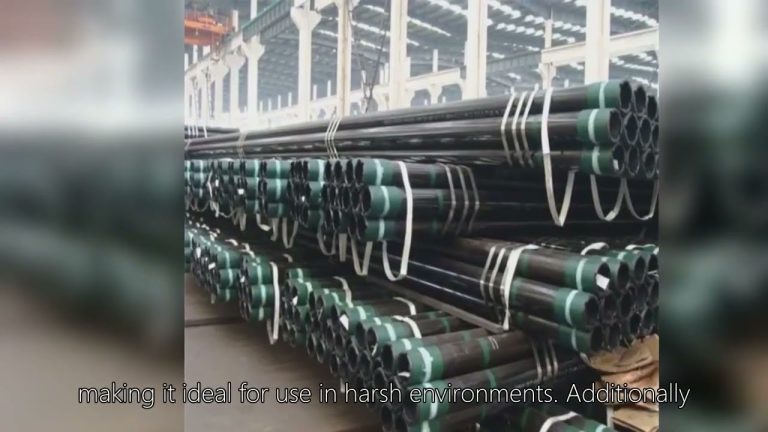
In addition to native attributes, the environmental conditions of the well must also be considered when selecting oil casing materials. Wells located in harsh environments, such as offshore or high-temperature reservoirs, may require materials with enhanced resistance to corrosion, erosion, and other forms of degradation. Specialized alloys or coatings may be necessary to ensure the longevity and integrity of the casing under such conditions.
Furthermore, the mechanical properties of the casing material are critical in determining its performance in the wellbore. Factors such as yield strength, tensile strength, and ductility play a significant role in withstanding the stresses and pressures experienced during drilling, completion, and production operations. The casing material must be able to maintain its structural integrity under varying loads and conditions to prevent failures that could compromise the well’s productivity and safety.
Another important consideration in selecting oil casing materials is the compatibility with other components of the well completion system. The casing must be able to withstand the installation process, including handling, running, and Cementing, without experiencing damage or deformation. Compatibility with downhole Tools, Packers, and other equipment is also essential to ensure proper wellbore isolation and zonal isolation.
API 5ct R95 CASING ExportersCost-effectiveness is another factor that influences the selection of oil casing materials. While high-performance alloys and exotic materials may offer superior properties, they often come at a higher cost. Balancing the performance requirements with the overall project budget is crucial in making informed decisions about the most suitable casing material for a particular well.
In conclusion, the selection of oil casing materials is a critical decision that can impact the success and longevity of an oil well. By considering factors such as native attributes, environmental conditions, mechanical properties, compatibility, and cost-effectiveness, operators can choose the most appropriate material to ensure the integrity and performance of the wellbore. Careful evaluation and selection of casing materials are essential steps in the planning and execution of Oil and Gas projects to achieve optimal results and mitigate risks associated with wellbore integrity.
![[oil tube] [Wholesale-Price] [High-Quality] good China](https://www.casingtube.com/wp-content/uploads/2022/03/aa2d8fc4-4392-4a11-ae9f-18b409de9305.jpg)