Benefits of Native Attributes in Product Development
Oil Casing Materials play a crucial role in the Oil and Gas industry, providing structural support and protection for wells during drilling and production operations. When it comes to selecting the most suitable casing material for a particular application, considering the native attributes of the material is essential. Native attributes refer to the inherent characteristics of a material that influence its performance and suitability for specific environments.
One of the key benefits of considering native attributes in the selection of oil casing materials is the ability to optimize performance and durability. Different materials exhibit varying levels of strength, Corrosion resistance, and thermal conductivity, among other properties. By understanding the native attributes of each material, engineers and designers can choose the most appropriate material that aligns with the requirements of the well conditions, such as depth, pressure, temperature, and corrosive elements present in the reservoir fluids.
Moreover, the native attributes of oil casing materials also play a significant role in enhancing operational efficiency and cost-effectiveness. Materials with high tensile strength and toughness can withstand the mechanical stresses and pressures encountered during drilling and production, reducing the risk of casing failure and well integrity issues. Additionally, materials with excellent corrosion resistance properties can prolong the service life of the casing, minimizing the need for frequent replacements and Maintenance activities.
Another advantage of considering native attributes in product development is the ability to meet regulatory requirements and industry standards. Oil and gas operations are subject to stringent regulations aimed at ensuring safety, environmental protection, and operational reliability. By selecting casing materials that possess the necessary native attributes to meet these standards, Companies can demonstrate compliance with regulatory bodies and mitigate potential risks associated with non-compliance.
 Furthermore, the selection of oil casing materials based on their native attributes can also contribute to sustainability and environmental stewardship. Materials that are resistant to degradation and chemical reactions can help prevent leaks, spills, and contamination of the surrounding soil and water sources. By choosing materials that have minimal environmental impact and can be recycled or reused, companies can reduce their carbon footprint and promote sustainable practices in the industry.
In conclusion, the consideration of native attributes in the selection of oil casing materials is paramount to the success of drilling and production operations in the oil and gas sector. By leveraging the inherent properties of materials to optimize performance, enhance durability, ensure regulatory compliance, and promote sustainability, companies can achieve operational excellence and long-term success in the industry. Making informed decisions based on the native attributes of materials is essential for maximizing efficiency, minimizing risks, and achieving cost-effective solutions in oil and gas exploration and production.
Factors to Consider in Selecting Oil Casing Materials
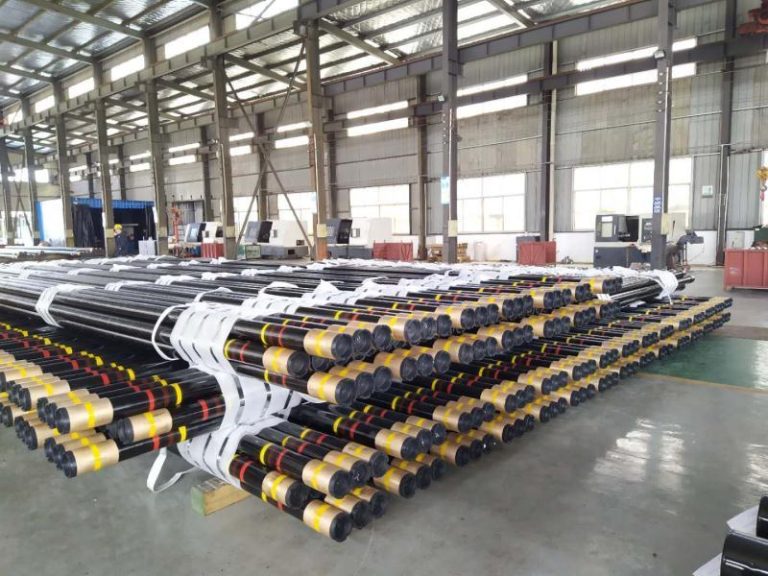
Oil casing materials play a crucial role in the successful operation of Oil Wells, as they provide structural support and protection to the wellbore. When selecting the appropriate casing material for an oil well, various factors must be taken into consideration to ensure optimal performance and longevity.
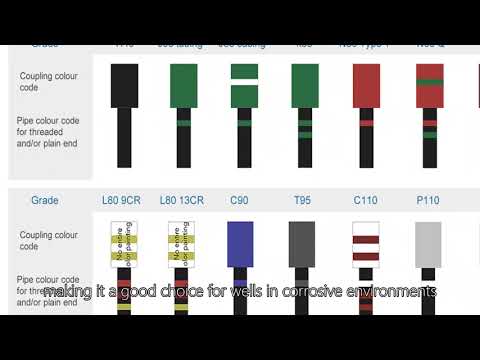
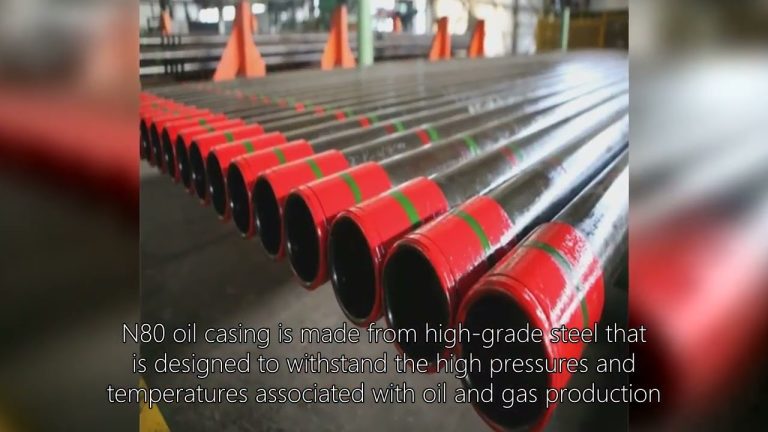
One of the primary considerations in choosing oil casing materials is the native attributes of the materials themselves. Different materials possess unique characteristics that can impact their suitability for specific well conditions. For example, Steel is a commonly used material for oil casing due to its strength, durability, and resistance to corrosion. However, the specific grade of steel must be carefully selected based on factors such as the depth of the well, the pressure and temperature conditions, and the presence of corrosive substances in the reservoir.
In addition to native attributes, the environmental conditions of the well must also be considered when selecting oil casing materials. Wells located in harsh environments, such as offshore or high-temperature reservoirs, may require materials with enhanced resistance to corrosion, erosion, and other forms of degradation. Specialized alloys or coatings may be necessary to ensure the longevity and integrity of the casing under such conditions.
Furthermore, the mechanical properties of the casing material are critical in determining its performance in the wellbore. Factors such as yield strength, tensile strength, and ductility play a significant role in withstanding the stresses and pressures experienced during drilling, completion, and production operations. The casing material must be able to maintain its structural integrity under varying loads and conditions to prevent failures that could compromise the well’s productivity and safety.
Another important consideration in selecting oil casing materials is the compatibility with other components of the well completion system. The casing must be able to withstand the installation process, including handling, running, and Cementing, without experiencing damage or deformation. Compatibility with downhole Tools, Packers, and other equipment is also essential to ensure proper wellbore isolation and zonal isolation.
API 5ct R95 CASING ExportersCost-effectiveness is another factor that influences the selection of oil casing materials. While high-performance alloys and exotic materials may offer superior properties, they often come at a higher cost. Balancing the performance requirements with the overall project budget is crucial in making informed decisions about the most suitable casing material for a particular well.
In conclusion, the selection of oil casing materials is a critical decision that can impact the success and longevity of an oil well. By considering factors such as native attributes, environmental conditions, mechanical properties, compatibility, and cost-effectiveness, operators can choose the most appropriate material to ensure the integrity and performance of the wellbore. Careful evaluation and selection of casing materials are essential steps in the planning and execution of oil and gas projects to achieve optimal results and mitigate risks associated with wellbore integrity.