الابتكارات في تكنولوجيا تغليف الزيت
الممارسات المستدامة في صناعة النفط
موازنة التحديات البيئية والفرص الاقتصادية في تكنولوجيا تغليف النفط
تلعب تكنولوجيا أغلفة النفط دورًا حاسمًا في استخراج النفط وإنتاجه، حيث تعمل كحاجز وقائي يضمن سلامة آبار النفط. في السنوات الأخيرة، شهدت بيئة تكنولوجيا أغلفة النفط تحولات كبيرة، مدفوعة بالوعي المتزايد بالتحديات البيئية والحاجة إلى موازنتها مع الفرص الاقتصادية. وقد دفع هذا التحول الصناعة إلى استكشاف حلول مبتكرة لا تعمل على تعزيز الكفاءة التشغيلية فحسب، بل تقلل أيضًا من التأثير البيئي.
أحد التحديات الرئيسية التي تواجه تكنولوجيا تغليف النفط هو احتمال حدوث تسربات وأعطال يمكن أن تؤدي إلى التلوث البيئي. غالبًا ما تكافح مواد وتصميمات الغلاف التقليدية لتحمل الظروف القاسية لاستخراج النفط، مما يؤدي إلى إصلاحات مكلفة وأضرار بيئية. ومع ذلك، فقد مهدت التطورات في علوم وهندسة المواد الطريق لتطوير مواد تغليف أكثر متانة ومقاومة للتآكل يمكنها تحمل متطلبات عمليات التنقيب عن النفط بشكل أفضل.
علاوة على ذلك، أحدث تكامل التقنيات الذكية وتحليلات البيانات ثورة في مجال مراقبة وصيانة أنظمة غلاف النفط. يتيح جمع البيانات وتحليلها في الوقت الفعلي للمشغلين اكتشاف المشكلات المحتملة قبل تفاقمها، مما يتيح إجراء صيانة استباقية وتقليل مخاطر الحوادث البيئية. من خلال الاستفادة من قوة التحليلات التنبؤية والتعلم الآلي، يمكن للشركات تحسين عمليات التغليف الخاصة بها، وتحسين الكفاءة، وتقليل وقت التوقف عن العمل، مما يؤدي في النهاية إلى توفير التكاليف وفوائد بيئية.
بالإضافة إلى تعزيز الكفاءة التشغيلية، واعتماد ممارسات مستدامة في مجال النفط أصبحت تكنولوجيا الغلاف أولوية قصوى لأصحاب المصلحة في الصناعة. إن استخدام مواد تغليف صديقة للبيئة، مثل السبائك القابلة لإعادة التدوير والمواد المركبة، لا يقلل فقط من البصمة البيئية لأنشطة التنقيب عن النفط ولكنه يتماشى أيضًا مع أهداف الاستدامة العالمية. علاوة على ذلك، تساهم إعادة تدوير مواد التغليف المستخدمة وإعادة استخدامها في نموذج الاقتصاد الدائري، مما يعزز الحفاظ على الموارد وتقليل النفايات.
على الرغم من هذه التطورات، لا تزال بيئة تكنولوجيا أغلفة النفط تواجه تحديات من حيث الامتثال التنظيمي والتصور العام. وقد أدت اللوائح البيئية الأكثر صرامة وزيادة التدقيق من جانب أصحاب المصلحة إلى فرض ضغوط أكبر على الشركات لإظهار التزامها بالإشراف البيئي. من خلال الاستثمار في البحث والتطوير، وتعزيز التعاون الصناعي، والمشاركة مع المجتمعات المحلية، يمكن لشركات النفط بناء الثقة، وتخفيف المخاطر، وخلق مستقبل أكثر استدامة لتكنولوجيا أغلفة النفط.
في الختام، يقدم المشهد المتطور لتكنولوجيا أغلفة النفط فرصة فريدة لمواجهة التحديات البيئية مع إطلاق العنان للإمكانات الاقتصادية. من خلال تبني الابتكار والاستدامة والتعاون، يمكن للصناعة التغلب على تعقيدات البيئة التقنية الحديثة لغلاف النفط وتمهيد الطريق لمستقبل أكثر استدامة وازدهارًا.
Balancing Environmental Challenges and Economic Opportunities in Oil Casing Technology
Oil casing technology plays a crucial role in the extraction and production of oil, serving as a protective barrier that ensures the integrity of Oil Wells. In recent years, the oil casing tech environment has undergone significant transformations, driven by a growing awareness of environmental challenges and the need to balance them with economic opportunities. This shift has prompted the industry to explore innovative solutions that not only enhance operational efficiency but also minimize environmental impact.
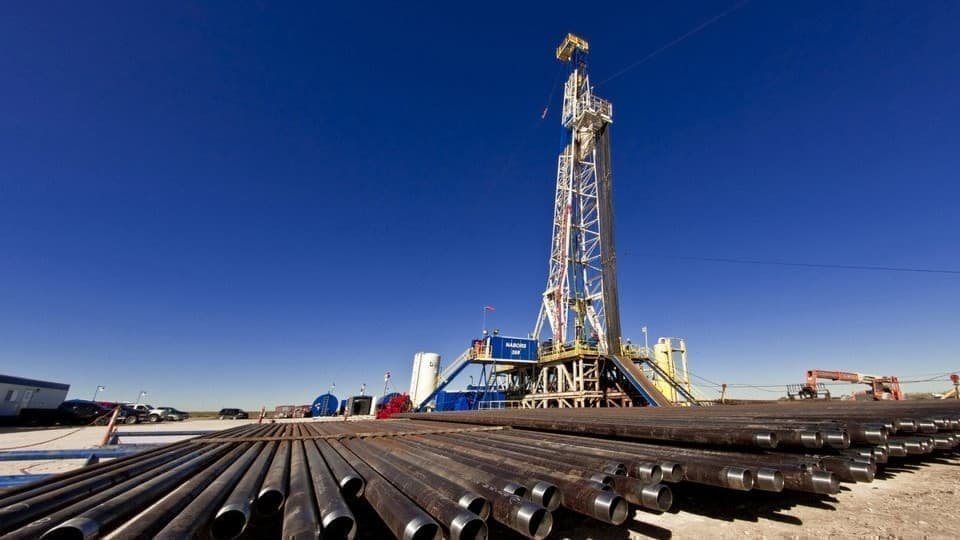
One of the key challenges facing oil casing technology is the potential for leaks and failures that can lead to environmental contamination. Traditional casing Materials and designs have often struggled to withstand the harsh conditions of oil extraction, resulting in costly Repairs and environmental damage. However, advancements in materials science and engineering have paved the way for the development of more durable and corrosion-resistant casing materials that can better withstand the demands of oil drilling operations.
Moreover, the integration of smart technologies and data analytics has revolutionized the monitoring and Maintenance of oil casing systems. Real-time data collection and analysis allow operators to detect potential issues before they escalate, enabling proactive maintenance and reducing the risk of environmental incidents. By leveraging the power of predictive analytics and machine learning, Companies can optimize their casing operations, improve efficiency, and minimize downtime, ultimately leading to cost savings and environmental benefits.
In addition to enhancing operational efficiency, the adoption of sustainable practices in oil casing technology has become a top priority for industry stakeholders. The implementation of eco-friendly casing materials, such as recyclable alloys and composite materials, not only reduces the environmental footprint of oil drilling activities but also aligns with global sustainability goals. Furthermore, the recycling and repurposing of used casing materials contribute to a circular economy model, promoting resource conservation and waste reduction.
Despite these advancements, the oil casing tech environment contiNues to face challenges in terms of regulatory compliance and public perception. Stricter environmental regulations and increased scrutiny from stakeholders have placed greater pressure on companies to demonstrate their commitment to environmental stewardship. By investing in research and development, fostering industry collaboration, and engaging with local communities, oil companies can build trust, mitigate risks, and create a more sustainable future for oil casing technology.
In conclusion, the evolving landscape of oil casing technology presents a unique opportunity to address environmental challenges while unlocking economic potential. By embracing innovation, sustainability, and collaboration, the industry can navigate the complexities of the modern oil casing tech environment and pave the way for a more sustainable and prosperous future.