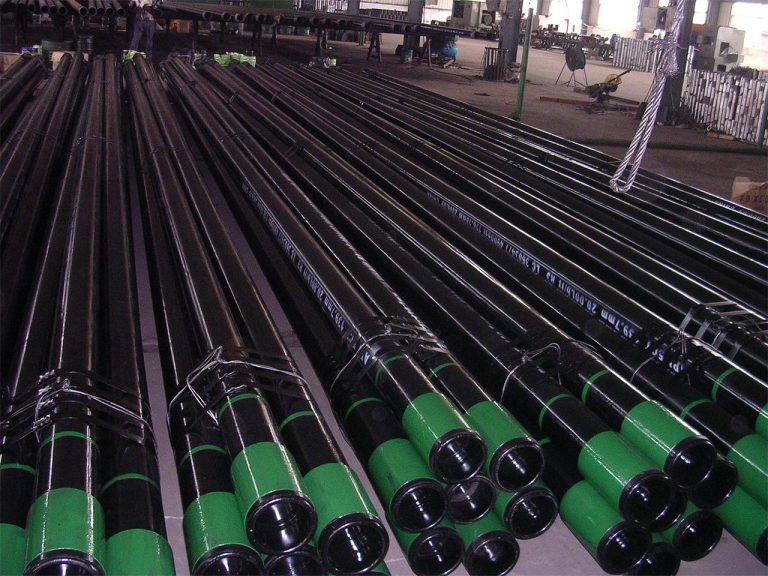
innovations in Oil Casing Technology
Oil casing technology plays a crucial role in the Oil and Gas industry, providing structural support and protection for wells. In recent years, the sector has witnessed significant advancements in this field, driven by a combination of challenges and opportunities. The evolving landscape of oil casing technology reflects a dynamic environment where innovation and adaptation are key.
One of the primary challenges facing the oil casing industry is the need for enhanced durability and reliability in harsh operating conditions. Wells are subjected to high pressures, corrosive fluids, and extreme temperatures, placing immense stress on casing Materials. To address these challenges, researchers and engineers have been exploring new materials and manufacturing techniques that can improve the performance and longevity of oil casings.
Innovations in material science have led to the development of advanced alloys and composites that offer superior strength and Corrosion resistance. These materials not only enhance the structural integrity of casings but also contribute to increased efficiency and cost-effectiveness in well operations. By leveraging these new materials, operators can mitigate risks associated with well integrity and ensure the long-term sustainability of their assets.
Furthermore, advancements in manufacturing technologies, such as 3D printing and automated welding processes, have revolutionized the production of oil casings. These techniques enable the customization of casing designs to suit specific well conditions, optimizing performance and reducing waste. The ability to r APIdly prototype and manufacture casings on-demand has streamlined operations and accelerated the deployment of wells, leading to improved productivity and profitability.
In addition to material and manufacturing innovations, digitalization has emerged as a transformative force in the oil casing tech environment. The integration of sensors, data analytics, and predictive Maintenance tools has enabled real-time monitoring of casing performance and condition. By harnessing the power of data, operators can proactively identify potential issues, optimize maintenance schedules, and prevent costly downtime.
The convergence of these technological advancements has created a paradigm shift in the oil casing industry, paving the way for smarter, more resilient well systems. As the industry contiNues to evolve, stakeholders are presented with a unique opportunity to embrace innovation and drive sustainable growth. By staying abreast of the latest trends and investing in R&D, Companies can position themselves at the forefront of the oil casing tech revolution and capitalize on the vast potential that lies ahead.
In conclusion, the landscape of oil casing technology is undergoing a period of rapid transformation, characterized by a blend of challenges and opportunities. By leveraging cutting-edge materials, manufacturing processes, and digital solutions, the industry is poised to overcome existing hurdles and unlock new possibilities for efficiency and performance. As we navigate this dynamic environment, collaboration and innovation will be essential in shaping the future of oil casing technology and ensuring a sustainable energy future.
Sustainable Practices in the Oil Industry
The oil industry has long been a cornerstone of global energy production, providing the fuel that powers economies and societies around the world. However, the extraction and processing of oil come with significant environmental challenges that cannot be ignored. One critical aspect of oil production that has garnered increased attention in recent years is the technology and practices surrounding oil casing.
Oil casing plays a vital role in the extraction and transportation of oil from wells to refineries. It serves as a protective barrier, preventing leaks and ensuring the efficient flow of oil. Traditionally, oil casing has been made of Steel, a material known for its strength and durability. While steel casing has been effective in many ways, it also poses environmental challenges due to its high carbon footprint and potential for corrosion.
In response to these challenges, the oil industry has been exploring new materials and technologies for oil casing that offer both environmental and operational benefits. One promising development is the use of composite materials in oil casing. Composites are lightWeight, corrosion-resistant, and can be tailored to specific performance requirements. By incorporating composites into oil casing design, operators can reduce the environmental impact of oil production while improving efficiency and longevity.
Another area of innovation in oil casing technology is the integration of smart sensors and monitoring systems. These technologies allow operators to track the condition of oil casing in real-time, detecting potential issues before they escalate into costly failures. By implementing smart casing solutions, operators can enhance safety, optimize maintenance schedules, and minimize downtime, ultimately improving the sustainability of oil production operations.
jeep transfer case oilFurthermore, advancements in data analytics and machine learning are revolutionizing how oil casing performance is monitored and optimized. By analyzing vast amounts of data collected from sensors and other sources, operators can gain valuable insights into casing behavior and make informed decisions to enhance performance and reduce environmental risks. This data-driven approach not only improves operational efficiency but also contributes to a more sustainable oil industry.
As the oil industry continues to evolve in response to environmental concerns and regulatory pressures, the adoption of sustainable practices in oil casing technology will play a crucial role in shaping the future of oil production. By embracing new materials, technologies, and data-driven solutions, operators can address environmental challenges, improve operational efficiency, and unlock new opportunities for sustainable growth. In this dynamic landscape where challenges and opportunities intersect, the oil industry has the potential to lead the way towards a more sustainable energy future.
Balancing Environmental Challenges and Economic Opportunities in Oil Casing Technology
Oil casing technology plays a crucial role in the extraction and production of oil, serving as a protective barrier that ensures the integrity of Oil Wells. In recent years, the oil casing tech environment has undergone significant transformations, driven by a growing awareness of environmental challenges and the need to balance them with economic opportunities. This shift has prompted the industry to explore innovative solutions that not only enhance operational efficiency but also minimize environmental impact.
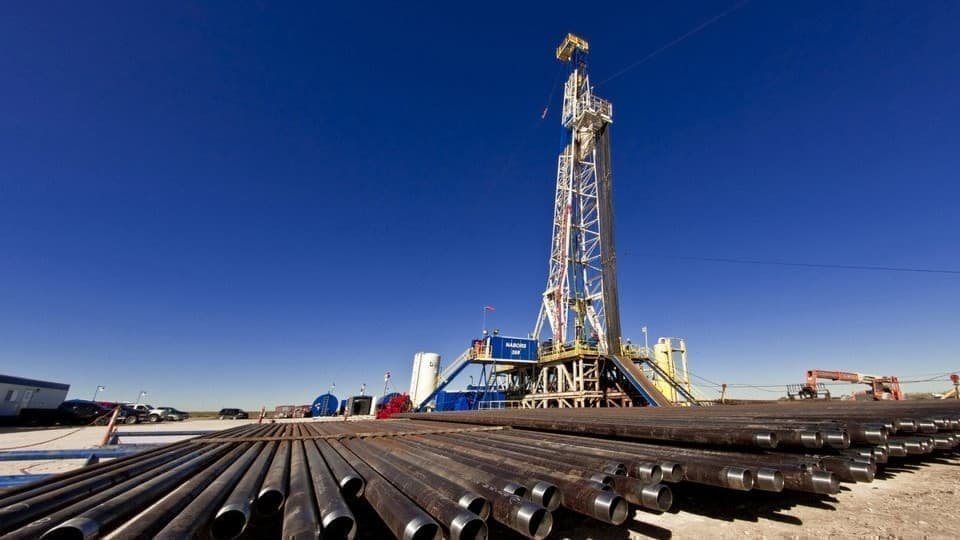
One of the key challenges facing oil casing technology is the potential for leaks and failures that can lead to environmental contamination. Traditional casing materials and designs have often struggled to withstand the harsh conditions of oil extraction, resulting in costly Repairs and environmental damage. However, advancements in materials science and engineering have paved the way for the development of more durable and corrosion-resistant casing materials that can better withstand the demands of oil drilling operations.
Moreover, the integration of smart technologies and data analytics has revolutionized the monitoring and maintenance of oil casing systems. Real-time data collection and analysis allow operators to detect potential issues before they escalate, enabling proactive maintenance and reducing the risk of environmental incidents. By leveraging the power of predictive analytics and machine learning, companies can optimize their casing operations, improve efficiency, and minimize downtime, ultimately leading to cost savings and environmental benefits.
In addition to enhancing operational efficiency, the adoption of sustainable practices in oil casing technology has become a top priority for industry stakeholders. The implementation of eco-friendly casing materials, such as recyclable alloys and composite materials, not only reduces the environmental footprint of oil drilling activities but also aligns with global sustainability goals. Furthermore, the recycling and repurposing of used casing materials contribute to a circular economy model, promoting resource conservation and waste reduction.
Despite these advancements, the oil casing tech environment continues to face challenges in terms of regulatory compliance and public perception. Stricter environmental regulations and increased scrutiny from stakeholders have placed greater pressure on companies to demonstrate their commitment to environmental stewardship. By investing in research and development, fostering industry collaboration, and engaging with local communities, oil companies can build trust, mitigate risks, and create a more sustainable future for oil casing technology.
In conclusion, the evolving landscape of oil casing technology presents a unique opportunity to address environmental challenges while unlocking economic potential. By embracing innovation, sustainability, and collaboration, the industry can navigate the complexities of the modern oil casing tech environment and pave the way for a more sustainable and prosperous future.