أهمية تقييم المخاطر في صناعة غلاف النفط
تطبيق التقنيات التجريبية في تصميم أغلفة الزيوت
 تقييم عوامل البيئة الفنية لإدارة المخاطر في صناعة تغليف الزيوت
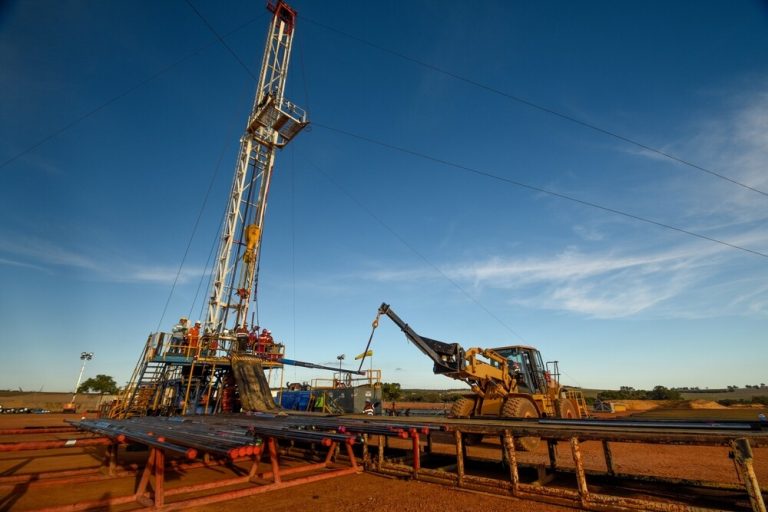
تعمل صناعة أغلفة النفط ضمن بيئة تقنية معقدة تتطلب تقييمًا دقيقًا لمختلف العوامل لإدارة المخاطر بفعالية وتعزيز ثقافة التجريب. يعد فهم المشهد التقني أمرًا بالغ الأهمية للشركات في هذا القطاع للتغلب على التحديات واغتنام الفرص. أحد الجوانب الرئيسية لتقييم البيئة التقنية في صناعة أغلفة النفط هو النظر في التقدم التكنولوجي. أحدثت الابتكارات في تقنيات الحفر وعلوم المواد وتحليلات البيانات ثورة في طريقة إنشاء آبار النفط وصيانتها. يمكن للشركات التي تتبنى هذه التطورات أن تكتسب ميزة تنافسية وتعزز استراتيجيات إدارة المخاطر الخاصة بها.
علاوة على ذلك، يلعب الإطار التنظيمي دورًا مهمًا في تشكيل البيئة الفنية لصناعة أغلفة النفط. يعد الامتثال لمعايير السلامة واللوائح البيئية وأفضل ممارسات الصناعة أمرًا ضروريًا لتخفيف المخاطر وضمان العمليات المستدامة. يجب على الشركات مواكبة التغييرات التنظيمية وتكييف عملياتها الفنية بشكل استباقي لتتوافق مع المتطلبات المتطورة. لا يشكل عدم الامتثال للوائح مخاطر قانونية فحسب، بل يعرض أيضًا سمعة الشركة وقدرتها على الاستمرار على المدى الطويل للخطر.
بالإضافة إلى العوامل الخارجية، تعد القدرات الفنية الداخلية والبنية التحتية من الاعتبارات الحاسمة لإدارة المخاطر في صناعة أغلفة النفط. تؤثر جودة المعدات وخبرة الموظفين وكفاءة العمليات التشغيلية على احتمالية وقوع الحوادث والقدرة على الاستجابة بفعالية للأحداث غير المتوقعة. يمكن أن يؤدي الاستثمار في برامج التدريب وبروتوكولات الصيانة وترقيات التكنولوجيا إلى تعزيز مرونة البيئة التقنية للشركة وتمكين التخفيف الاستباقي للمخاطر.
علاوة على ذلك، فإن الطبيعة الديناميكية لسوق النفط والغاز تتطلب اتباع نهج تفكير تقدمي لإدارة المخاطر في صناعة الغلاف . يجب على الشركات توقع الاتجاهات المستقبلية، مثل التحولات في الطلب وتقلبات الأسعار والعوامل الجيوسياسية، لتعديل استراتيجياتها الفنية وقراراتها الاستثمارية بشكل استباقي. إن تبني ثقافة التجريب والابتكار يسمح للمؤسسات باختبار التقنيات والعمليات ونماذج الأعمال الجديدة في بيئة خاضعة للرقابة، مما يمكنها من البقاء في الطليعة والتكيف مع ظروف السوق المتغيرة.
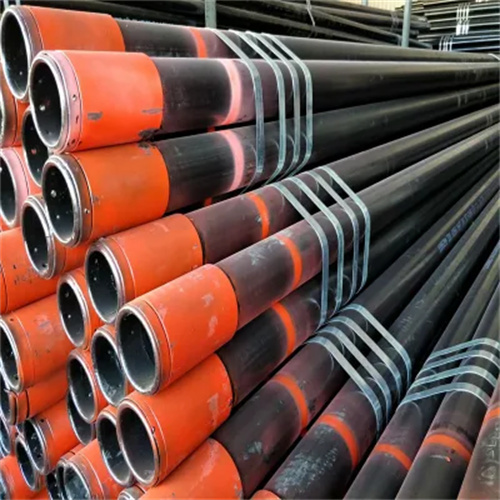
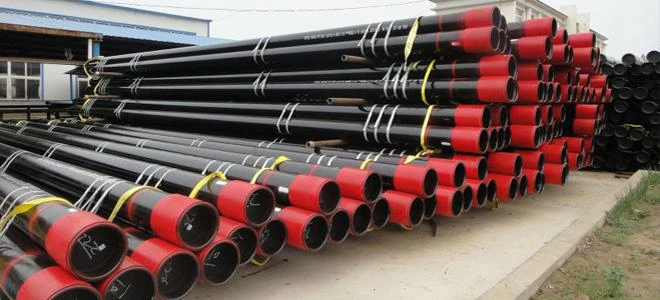
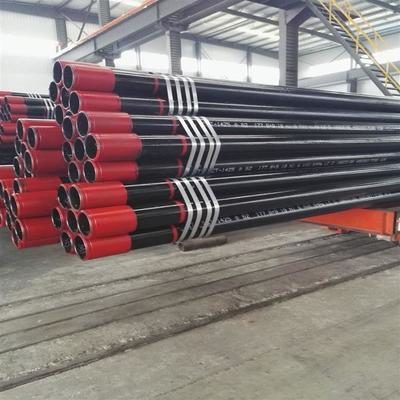
API 5ct C110 Casing أفضل الموردين الصينيين الإدارة الفعالة للمخاطر في صناعة أغلفة النفط، يتطلب الأمر إجراء تقييم شامل للبيئة التقنية، يشمل القدرات الداخلية والتأثيرات الخارجية. ومن خلال الاستفادة من التقدم التكنولوجي، والامتثال للوائح، وتعزيز البنية التحتية الداخلية، وتعزيز ثقافة التجريب، يمكن للشركات أن تضع نفسها في مكانة لتحقيق النجاح على المدى الطويل في صناعة مليئة بالتحديات والديناميكية. يعد اتخاذ القرار الاستراتيجي بناءً على تقييم شامل للعوامل الفنية أمرًا ضروريًا لتخفيف المخاطر وتعظيم الفرص ودفع النمو المستدام في قطاع تغليف النفط.
The Oil Casing industry operates within a technical environment that demands a careful assessment of risks and encourages experimentation. In the realm of oil casing design, implementing experimental techniques is crucial for pushing the boundaries of innovation and ensuring the safety and efficiency of operations.
When considering the adoption of experimental techniques in oil casing design, it is essential to first evaluate the existing technical environment. This assessment involves analyzing the current industry standards, technological capabilities, and regulatory frameworks that govern oil casing operations. By understanding the context in which experimentation will take place, engineers and designers can make informed decisions about the feasibility and potential impact of introducing new techniques.
Risk-taking is inherent in any experimental endeavor, especially in industries as critical as oil casing design. However, calculated risk-taking backed by thorough technical assessments can lead to groundbreaking advancements in design and performance. Engineers must weigh the potential benefits of experimentation against the risks involved, considering factors such as Material integrity, structural stability, and environmental impact.
One of the key advantages of implementing experimental techniques in oil casing design is the opportunity for iterative improvement. By testing new ideas and concepts in a controlled environment, engineers can gather valuable data that informs future design iterations. This iterative process allows for continuous refinement and optimization, ultimately leading to more robust and efficient oil casing solutions.
Innovation in oil casing design often requires a willingness to challenge conventional wisdom and explore unconventional approaches. Experimental techniques provide a platform for engineers to think outside the box and push the boundaries of what is possible within the constraints of the industry. By fostering a culture of experimentation and risk-taking, Companies can stay ahead of the curve and drive innovation in oil casing technology.
Furthermore, the implementation of experimental techniques can enhance collaboration and knowledge sharing within the oil casing industry. Engineers and designers working on experimental projects are encouraged to exchange ideas, share insights, and learn from each other’s experiences. This collaborative environment fosters a culture of continuous learning and improvement, benefiting the industry as a whole.
In conclusion, the oil casing industry’s technical environment presents both challenges and opportunities for risk-taking and experimentation in design. By carefully assessing the existing landscape, embracing calculated risks, and fostering a culture of innovation, companies can drive progress and shape the future of oil casing technology. Implementing experimental techniques is not just about pushing boundaries; it is about redefining what is possible and ensuring the sustainability and efficiency of oil casing operations for years to come.
Evaluating Technical Environment Factors for Risk Management in Oil Casing Industry
The oil casing industry operates within a complex technical environment that demands a meticulous assessment of various factors to manage risks effectively and foster a culture of experimentation. Understanding the technical landscape is crucial for companies in this sector to navigate challenges and seize opportunities. One key aspect of evaluating the technical environment in the oil casing industry is the consideration of technological advancements. Innovations in drilling techniques, materials science, and data analytics have revolutionized the way Oil Wells are constructed and maintained. Companies that embrace these advancements can gain a competitive edge and enhance their risk management strategies.
Moreover, the regulatory framework plays a significant role in shaping the technical environment of the oil casing industry. Compliance with safety standards, environmental regulations, and industry best practices is essential for mitigating risks and ensuring sustainable operations. Companies must stay abreast of regulatory changes and proactively adapt their technical processes to align with evolving requirements. Failure to comply with regulations not only poses legal risks but also jeopardizes the reputation and long-term viability of the business.
In addition to external factors, internal technical capabilities and infrastructure are critical considerations for risk management in the oil casing industry. The quality of equipment, the expertise of personnel, and the efficiency of operational processes all influence the likelihood of incidents and the ability to respond effectively to unforeseen events. Investing in training programs, Maintenance protocols, and technology upgrades can enhance the resilience of a Company‘s technical environment and enable proactive risk mitigation.
Furthermore, the dynamic nature of the Oil and Gas market necessitates a forward-thinking approach to risk management in the casing industry. Companies must anticipate future trends, such as shifts in demand, Price volatility, and geopolitical factors, to proactively adjust their technical strategies and investment decisions. Embracing a culture of experimentation and innovation allows organizations to test new technologies, processes, and business models in a controlled environment, enabling them to stay ahead of the curve and adapt to changing market conditions.
API 5CT C110 CASING chinese Best SuppliersEffective risk management in the oil casing industry requires a holistic assessment of the technical environment, encompassing both internal capabilities and external influences. By leveraging technological advancements, complying with regulations, enhancing internal infrastructure, and fostering a culture of experimentation, companies can position themselves for long-term success in a challenging and dynamic industry. Strategic decision-making informed by a thorough evaluation of technical factors is essential for mitigating risks, maximizing opportunities, and driving sustainable growth in the oil casing sector.