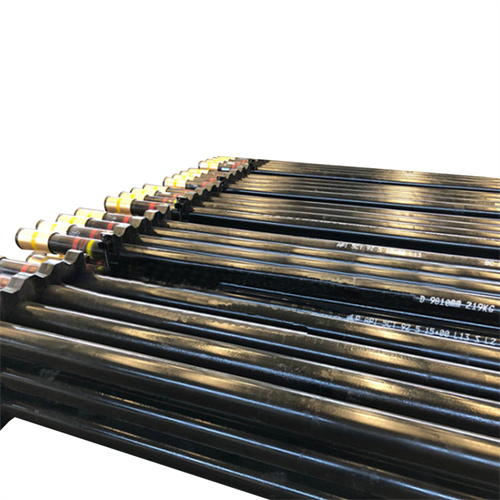
تحديات تطبيق تكنولوجيا التغليف الزيتي في الحفاظ على البيئة
فرص تكنولوجيا أغلفة الزيت المستدامة في حماية البيئة
تلعب تكنولوجيا أغلفة النفط دورًا حاسمًا في صناعة النفط والغاز، حيث توفر الدعم الهيكلي والحماية للآبار. ومع استمرار تطور الصناعة، هناك تركيز متزايد على الممارسات المستدامة وحماية البيئة. يمثل هذا التحول نحو الاستدامة تحديات وفرصًا لتكنولوجيا أغلفة النفط.
أحد التحديات الرئيسية التي تواجه صناعة تكنولوجيا أغلفة النفط هو الحاجة إلى تقليل تأثيرها البيئي. يمكن أن يكون لمواد التغليف التقليدية، مثل الفولاذ، عواقب بيئية كبيرة بسبب عمليات إنتاجها واحتمالية التآكل. وقد أدى ذلك إلى الدفع نحو تطوير مواد بديلة أكثر صداقة للبيئة واستدامة.
تجار جملة API 5ct C110 Casing استجابة لهذه التحديات، هناك العديد من الفرص الناشئة في مجال تكنولوجيا أغلفة الزيت المستدامة. إحدى هذه الفرص تكمن في استخدام المواد المركبة لبناء الغلاف. توفر المواد المركبة بديلاً خفيف الوزن ومتينًا للمواد التقليدية، مما يقلل من البصمة البيئية لإنتاج وتركيب أغلفة الزيت.
تكمن فرصة أخرى لتكنولوجيا أغلفة الزيت المستدامة في تطوير أنظمة أغلفة ذكية. تستخدم هذه الأنظمة أجهزة الاستشعار وتحليلات البيانات لمراقبة سلامة الآبار والأداء في الوقت الفعلي، مما يسمح بالكشف المبكر عن المشكلات المحتملة وتقليل المخاطر البيئية.
علاوة على ذلك، فتحت التطورات في تكنولوجيا النانو إمكانيات جديدة لصناعة أغلفة النفط. يمكن أن توفر المواد المركبة النانوية خصائص ميكانيكية محسنة ومقاومة للتآكل، مما يؤدي إلى حلول أغلفة أطول أمدًا وأكثر استدامة.
بالإضافة إلى ابتكارات المواد، هناك تركيز متزايد على تحسين كفاءة عمليات تصميم وتركيب الغلاف. من خلال تحسين تصميمات أغلفة النفط واستخدام تقنيات التصنيع المتقدمة، يمكن للشركات تقليل هدر المواد واستهلاك الطاقة، مما يعزز استدامة تكنولوجيا أغلفة الزيت. تكنولوجيا غلاف النفط. من خلال تبادل المعرفة وأفضل الممارسات، يمكن للصناعة العمل على تحقيق الأهداف المشتركة لحماية البيئة والحفاظ على الموارد.
بشكل عام، يمثل التحول نحو تكنولوجيا أغلفة النفط المستدامة فرصة فريدة للصناعة للتوافق مع الأهداف البيئية والمساهمة في بيئة أكثر استدامة مستقبل. من خلال تبني الابتكار والتعاون، يمكن لمصنعي أغلفة النفط التغلب على التحديات واغتنام الفرص التي يوفرها المشهد البيئي المتطور.
Oil Casing technology plays a crucial role in the Oil and Gas industry, providing structural support and protection for wells. As the industry contiNues to evolve, there is a growing emphasis on sustainable practices and environmental protection. This shift towards sustainability presents both challenges and opportunities for oil casing technology.
 One of the key challenges facing the oil casing technology industry is the need to reduce its environmental impact. Traditional casing Materials, such as Steel, can have significant environmental consequences due to their production processes and potential for corrosion. This has led to a push for the development of alternative materials that are more environmentally friendly and sustainable.
API 5CT C110 CASING wholesalersIn response to these challenges, there are several opportunities emerging in the field of sustainable oil casing technology. One such opportunity lies in the use of composite materials for casing Construction. Composites offer a lightWeight and durable alternative to traditional materials, reducing the environmental footprint of casing production and installation.
Another opportunity for sustainable oil casing technology lies in the development of smart casing systems. These systems utilize sensors and data analytics to monitor well integrity and performance in real-time, allowing for early detection of potential issues and minimizing environmental risks.
Furthermore, advancements in nanotechnology have opened up new possibilities for the oil casing industry. Nanocomposite materials can offer enhanced mechanical properties and Corrosion resistance, leading to longer-lasting and more sustainable casing solutions.
In addition to material innovations, there is a growing focus on improving the efficiency of casing design and installation processes. By optimizing casing designs and utilizing advanced manufacturing techniques, Companies can reduce material waste and energy consumption, further enhancing the sustainability of oil casing technology.
Collaboration between industry stakeholders, research institutions, and regulatory bodies is also essential in driving the adoption of sustainable oil casing technology. By sharing knowledge and best practices, the industry can work towards common goals of environmental protection and resource conservation.
Overall, the shift towards sustainable oil casing technology presents a unique opportunity for the industry to align with environmental goals and contribute to a more sustainable future. By embracing innovation and collaboration, oil casing Manufacturers can overcome challenges and seize the opportunities presented by the evolving environmental landscape.