
التحديات في التحليل البيئي لتكنولوجيا أغلفة النفط
الفرص في التحليل البيئي لتكنولوجيا تغليف النفط
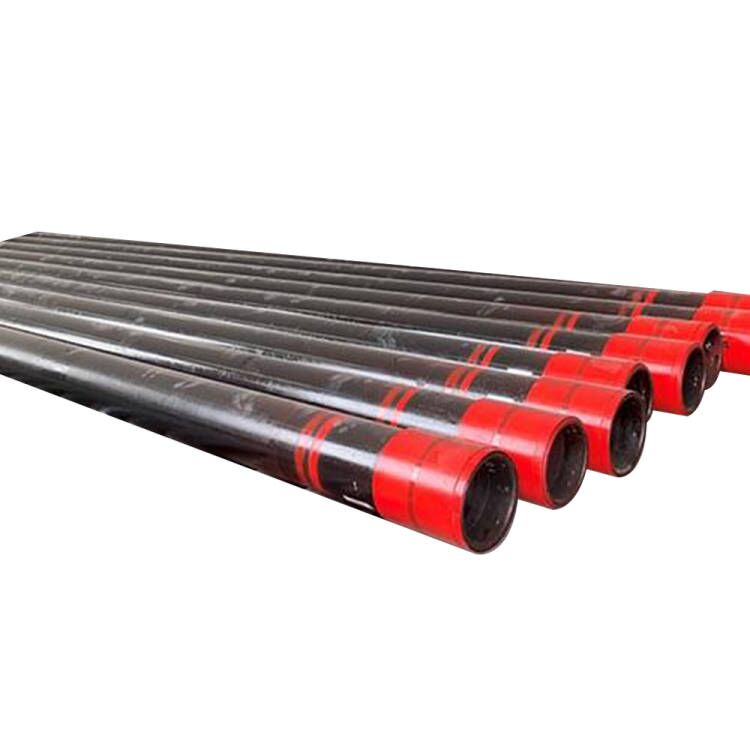
تلعب تكنولوجيا أغلفة النفط دورًا حاسمًا في صناعة النفط والغاز، حيث توفر الدعم الهيكلي والحماية للآبار. مع استمرار تطور الصناعة، تظهر تحديات وفرص جديدة في بيئة تكنولوجيا أغلفة النفط. أحد التحديات الرئيسية التي نواجهها هو الحاجة إلى مواد تغليف يمكنها تحمل الظروف القاسية في قاع البئر، مثل الضغط العالي ودرجة الحرارة. وهذا يتطلب بحثًا وتطويرًا مستمرًا لتحسين متانة وأداء مواد التغليف.
بالإضافة إلى التحديات المادية، تواجه بيئة تكنولوجيا غلاف النفط أيضًا مشكلات تتعلق بسلامة وموثوقية البئر. يعد التأكد من أن الأغلفة تحافظ على سلامتها طوال عمر البئر أمرًا ضروريًا لمنع التسربات وضمان العمليات الآمنة. وهذا يستلزم استخدام تقنيات الفحص والمراقبة المتقدمة لاكتشاف أي مشكلات محتملة في وقت مبكر واتخاذ الإجراءات التصحيحية.
على الرغم من هذه التحديات، توفر بيئة تكنولوجيا أغلفة النفط العديد من الفرص للابتكار والتحسين. وتكمن إحدى هذه الفرص في تطوير تقنيات التغليف الذكية التي يمكنها توفير بيانات في الوقت الفعلي عن ظروف البئر. من خلال دمج أجهزة الاستشعار وأنظمة الاتصالات في الأغلفة، يمكن للمشغلين مراقبة المعلمات مثل الضغط ودرجة الحرارة ومعدلات التدفق، مما يتيح اتخاذ قرارات استباقية وتحسين الإنتاج.
علاوة على ذلك، توفر التطورات في النمذجة الحاسوبية والمحاكاة فرصًا لتحسين التصميم والأداء. من أغلفة النفط. ومن خلال محاكاة ظروف قاع البئر وتحليل سلوك التغليف في ظل سيناريوهات مختلفة، يمكن للمهندسين تحسين تصميمات الغلاف لتحسين الموثوقية وطول العمر. وهذا لا يساعد فقط في تقليل التكاليف المرتبطة بالصيانة والإصلاحات ولكنه أيضًا يعزز الأداء العام للبئر.
هناك مجال آخر من الفرص في بيئة تكنولوجيا أغلفة النفط وهو اعتماد الممارسات المستدامة. مع التركيز المتزايد على الحفاظ على البيئة والاستدامة، هناك طلب متزايد على مواد التغليف وعمليات التصنيع الصديقة للبيئة. الشركات التي تستثمر في تطوير حلول أغلفة صديقة للبيئة ستكتسب ميزة تنافسية في السوق وتساهم في قطاع طاقة أكثر خضرة.
يوفر التعاون والشراكات بين الجهات الفاعلة في الصناعة والمؤسسات البحثية والهيئات التنظيمية أيضًا فرصًا لتحفيز الابتكار في أغلفة النفط. تكنولوجيا. من خلال تبادل المعرفة والموارد وأفضل الممارسات، يمكن لأصحاب المصلحة مواجهة التحديات بشكل جماعي وتسريع تطوير حلول أغلفة النفط المتطورة.
في الختام، تتميز بيئة تكنولوجيا أغلفة النفط بمزيج من التحديات والفرص المترابطة بشكل وثيق. في حين أن التحديات مثل متانة المواد وسلامة الآبار لا تزال قائمة، إلا أن هناك إمكانات هائلة للابتكار والتقدم في التقنيات الذكية والنمذجة الحاسوبية والاستدامة والتعاون. ومن خلال معالجة هذه التحديات واغتنام الفرص، يمكن للصناعة تعزيز كفاءة وسلامة واستدامة عمليات النفط والغاز
Oil Casing technology plays a crucial role in the Oil and Gas industry, providing structural support and protection for wells. As the industry contiNues to evolve, new challenges and opportunities emerge in the oil casing technology environment. One of the key challenges faced is the need for casing Materials that can withstand harsh downhole conditions, such as high pressure and temperature. This requires continuous research and development to improve the durability and performance of casing materials.
In addition to material challenges, the oil casing technology environment also faces issues related to well integrity and reliability. Ensuring that casings maintain their integrity over the life of the well is essential for preventing leaks and ensuring safe operations. This necessitates the use of advanced inspection and monitoring techniques to detect any potential issues early on and take corrective actions.
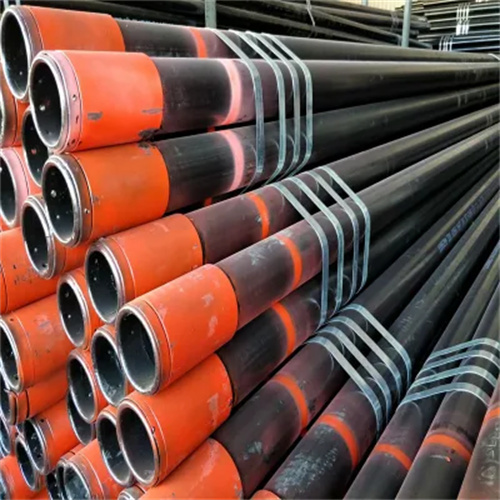 Despite these challenges, the oil casing technology environment presents several opportunities for innovation and improvement. One such opportunity lies in the development of smart casing technologies that can provide real-time data on well conditions. By integrating sensors and communication systems into casings, operators can monitor parameters such as pressure, temperature, and flow rates, enabling proactive decision-making and optimizing production.
Furthermore, advancements in computational modeling and simulation offer opportunities to enhance the design and performance of oil casings. By simulating downhole conditions and analyzing casing behavior under different scenarios, engineers can optimize casing designs for improved reliability and longevity. This not only helps in reducing costs associated with Maintenance and Repairs but also enhances overall well performance.
Another area of opportunity in the oil casing technology environment is the adoption of sustainable practices. With increasing focus on environmental conservation and sustainability, there is a growing demand for eco-friendly casing materials and manufacturing processes. Companies that invest in developing environmentally friendly casing solutions stand to gain a competitive edge in the market and contribute to a greener energy sector.
Collaboration and partnerships between industry players, research institutions, and regulatory bodies also present opportunities for driving innovation in oil casing technology. By sharing knowledge, resources, and best practices, stakeholders can collectively address challenges and accelerate the development of cutting-edge casing solutions.
In conclusion, the oil casing technology environment is characterized by a mix of challenges and opportunities that are closely interlinked. While challenges such as material durability and well integrity persist, there is immense potential for innovation and advancement in smart technologies, computational modeling, sustainability, and collaboration. By addressing these challenges and seizing opportunities, the industry can enhance the efficiency, safety, and sustainability of oil and gas operations.
![[oil pipe] China good wholesaler](https://www.casingtube.com/wp-content/uploads/2022/03/api-5ct-h40-tube-1.jpg)