طلاءات متقدمة مقاومة للتآكل تُحدث ثورة في متانة غلاف الزيت
تصاميم هندسية مبتكرة تعزز التكامل الهيكلي وطول العمر
لقد شهد غلاف النفط، وهو عنصر حاسم في صناعة النفط، تطورات كبيرة في السنوات الأخيرة، وخاصة في مجال التصميم الهندسي. هذه الابتكارات ليست مجرد مستحضرات تجميلية ولكنها تعيد تشكيل نهج الصناعة فيما يتعلق بالسلامة الهيكلية وطول العمر.
مواد الجيل التالي التي تعزز أداء غلاف الزيت وعمره الافتراضي
لقد شهد غلاف النفط، وهو عنصر حاسم في صناعة النفط، ابتكارات ملحوظة في السنوات الأخيرة، مما أدى إلى تحسين أدائه وعمره بشكل كبير. تقليديا، تعرضت أغلفة النفط لظروف بيئية قاسية، بما في ذلك الضغط العالي، والسوائل المسببة للتآكل، والإجهاد الميكانيكي. تتطلب هذه التحديات مواد يمكنها تحمل مثل هذه الظروف التشغيلية الصعبة دون المساس بالسلامة أو الكفاءة.
تدور إحدى التطورات الرئيسية في تكنولوجيا أغلفة النفط حول تطوير مواد الجيل التالي. ركز المهندسون وعلماء المواد على إنشاء سبائك توفر مقاومة فائقة للتآكل والتآكل الميكانيكي. غالبًا ما تتضمن هذه السبائك عناصر مثل الكروم والنيكل والموليبدينوم، مما يعزز المتانة والسلامة الهيكلية. ومن خلال اختيار هذه المواد ومزجها بعناية، تمكنت الشركات المصنعة من إنتاج أغلفة تتميز بعمر خدمة ممتد مقارنةً بالخيارات التقليدية.
بالإضافة إلى المواد المتقدمة، لعبت أساليب التصميم المبتكرة دورًا حاسمًا في تحسين أداء أغلفة الزيت. لقد اعتمد المهندسون هندسة إبداعية وتقنيات تصنيع تعمل على تحسين توزيع الضغط وتقليل نقاط الضعف. على سبيل المثال، يسمح استخدام الآلات الدقيقة والتصميم بمساعدة الكمبيوتر (CAD) بإنشاء أغلفة ذات مقاطع سمك مصممة بدقة وتعزيزها في المناطق الحرجة. لا تعمل هذه التصميمات على تحسين القوة الميكانيكية فحسب، بل تخفف أيضًا من مخاطر فشل الكلال بمرور الوقت.
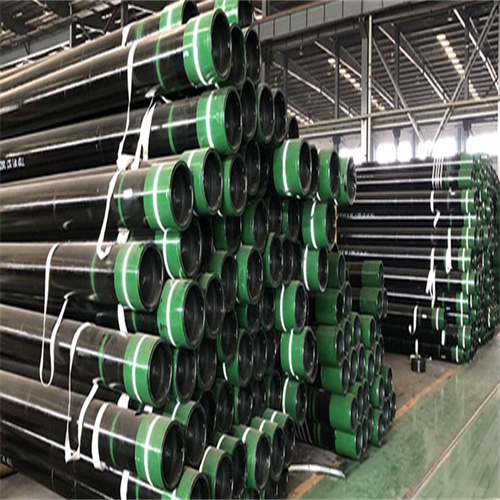
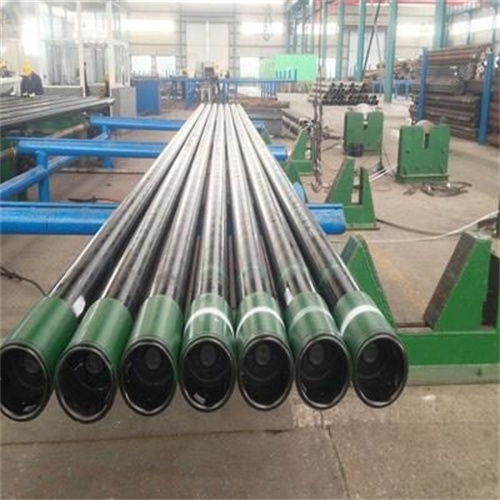
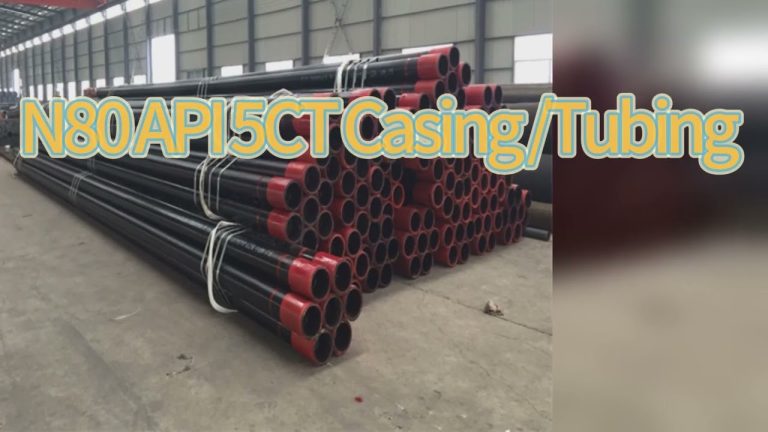
مورد غلاف API 5ct N80-1 علاوة على ذلك، أصبح تطبيق المعالجات السطحية والطلاءات منتشرًا بشكل متزايد في تعزيز مرونة أغلفة الزيت. تخدم هذه المعالجات أغراضًا متعددة، بما في ذلك مقاومة التآكل وتقليل الاحتكاك والعزل الحراري. لقد مكنت تقنية النانو أيضًا من تطوير طبقات الطلاء النانوية التي توفر خصائص حاجز فائقة ضد العوامل المسببة للتآكل مع الحفاظ على المرونة الميكانيكية.
إن متانة أغلفة النفط ليست ضرورية فقط للكفاءة التشغيلية ولكن أيضًا للاستدامة البيئية. من خلال إطالة عمر خدمة الأغلفة، هناك حاجة إلى عدد أقل من عمليات الاستبدال، مما يقلل من استهلاك المواد وتوليد النفايات. علاوة على ذلك، يساهم تحسين طول عمر الغلاف في عمليات أكثر أمانًا من خلال تقليل المخاطر المرتبطة بفشل الغلاف، مثل مشكلات سلامة البئر والتلوث البيئي.
في التطبيقات الميدانية الحديثة، أظهرت هذه التطورات فوائد ملموسة. أبلغت شركات النفط عن تخفيضات كبيرة في وقت التوقف عن العمل وتكاليف الصيانة المرتبطة باعتماد الأغلفة المتقدمة. علاوة على ذلك، ساهمت الموثوقية المحسنة لهذه المكونات في تعزيز الأداء والإنتاجية بشكل عام للبئر.
وبالنظر إلى المستقبل، تستمر الأبحاث الجارية في دفع حدود تكنولوجيا أغلفة النفط. قد تركز الابتكارات المستقبلية على زيادة تحسين خصائص المواد، واستكشاف تقنيات تصنيع جديدة مثل التصنيع الإضافي (الطباعة ثلاثية الأبعاد)، ودمج التقنيات الذكية للمراقبة والتشخيص في الوقت الفعلي. لا تهدف هذه التطورات إلى إطالة عمر الخدمة فحسب، بل تهدف أيضًا إلى تعزيز الكفاءة التشغيلية والاستدامة عبر صناعة النفط والغاز.
في الختام، يمثل تطور تكنولوجيا أغلفة النفط شهادة على الابتكار المستمر والتعاون في مجالات علوم وهندسة المواد. . ومن خلال الاستخدام الاستراتيجي للمواد المتقدمة والتصميمات المبتكرة والمعالجات السطحية، حققت أغلفة الزيت مستويات غير مسبوقة من المتانة والأداء. ومع تقدم الصناعة، ستلعب هذه التطورات بلا شك دورًا محوريًا في تشكيل مستقبل التنقيب عن النفط وإنتاجه، مما يضمن عمليات أكثر أمانًا وكفاءة واستدامة على مستوى العالم.
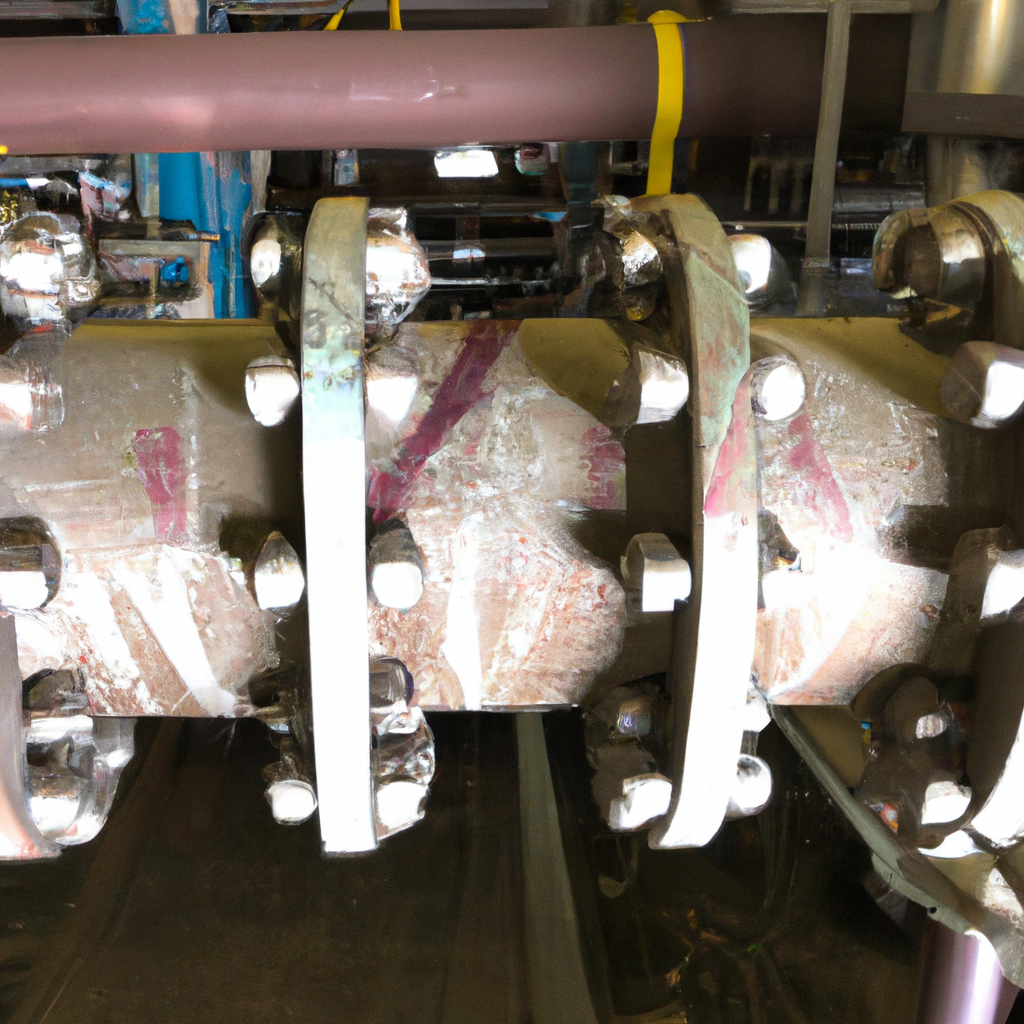 Looking ahead, the pace of innovation in Oil Casing design shows no signs of slowing down. Emerging technologies such as additive manufacturing (3D printing) promise further customization and efficiency gains, allowing for even more intricate and optimized geometric designs. This iterative process of innovation contiNues to push the boundaries of what is possible in oil casing technology, ensuring that the industry remains competitive and sustainable in an ever-evolving global energy landscape.
In conclusion, the evolution of oil casing design through innovative geometric solutions marks a significant milestone in the Petroleum Industry. By enhancing structural integrity, extending service life, and incorporating sustainable practices, these advancements not only meet current operational challenges but also pave the way for future innovations. As the demand for energy grows, so too does the importance of efficient, durable, and environmentally responsible oil casing solutions.
Next-Generation Materials Enhancing Oil Casing Performance and Lifespan
Oil casing, a critical component in the petroleum industry, has undergone remarkable innovation in recent years, significantly enhancing its performance and lifespan. Traditionally, oil casings have been subjected to harsh environmental conditions, including high pressure, corrosive fluids, and mechanical stress. These challenges necessitate materials that can withstand such demanding operational conditions without compromising safety or efficiency.
One of the key advancements in oil casing technology revolves around the development of next-generation materials. Engineers and materials scientists have focused on creating alloys that offer superior resistance to corrosion and mechanical wear. These alloys often incorporate elements such as chromium, nickel, and molybdenum, which enhance durability and structural integrity. By carefully selecting and blending these materials, Manufacturers have been able to produce casings that exhibit extended service life compared to conventional options.
In addition to advanced materials, innovative design approaches have played a crucial role in improving oil casing performance. Engineers have adopted creative geometries and manufacturing techniques that optimize stress distribution and minimize weak points. For instance, the use of precision machining and computer-aided design (CAD) allows for the creation of casings with precisely engineered thickness profiles and reinforcement in critical areas. Such designs not only improve mechanical strength but also mitigate the risk of fatigue failure over time.
API 5CT N80-1 CASING SupplierFurthermore, the application of surface treatments and coatings has become increasingly prevalent in enhancing the resilience of oil casings. These treatments serve multiple purposes, including Corrosion resistance, friction reduction, and thermal insulation. Nanotechnology has further enabled the development of nanocomposite coatings that provide superior barrier properties against corrosive agents while maintaining mechanical flexibility.
The durability of oil casings is not only crucial for operational efficiency but also for environmental sustainability. By extending the service life of casings, fewer replacements are needed, reducing material consumption and waste generation. Moreover, enhanced casing longevity contributes to safer operations by minimizing the risks associated with casing failure, such as well integrity issues and environmental contamination.
In recent field applications, these advancements have demonstrated tangible benefits. Oil Companies have reported significant reductions in downtime and Maintenance costs associated with the adoption of advanced casings. Moreover, the improved reliability of these components has contributed to enhanced overall well performance and productivity.
Looking ahead, ongoing research continues to push the boundaries of oil casing technology. Future innovations may focus on further improving material properties, exploring new manufacturing techniques such as additive manufacturing (3D printing), and integrating smart technologies for real-time monitoring and diagnostics. These developments aim not only to extend service life but also to enhance operational efficiency and sustainability across the Oil and Gas industry.
In conclusion, the evolution of oil casing technology represents a testament to continuous innovation and collaboration within the materials science and engineering fields. Through the strategic use of advanced materials, innovative designs, and surface treatments, oil casings have achieved unprecedented levels of durability and performance. As the industry progresses, these advancements will undoubtedly play a pivotal role in shaping the future of oil exploration and production, ensuring safer, more efficient, and more sustainable operations globally.