উন্নত জারা-প্রতিরোধী আবরণ বিপ্লবী তেল আবরণ স্থায়িত্ব
উদ্ভাবনী জ্যামিতিক নকশাগুলি কাঠামোগত অখণ্ডতা এবং দীর্ঘায়ু বৃদ্ধি করে
নেক্সট-জেনারেশন ম্যাটেরিয়ালস ইনহ্যান্সিং অয়েল কেসিং পারফরম্যান্স এবং লাইফস্প্যান
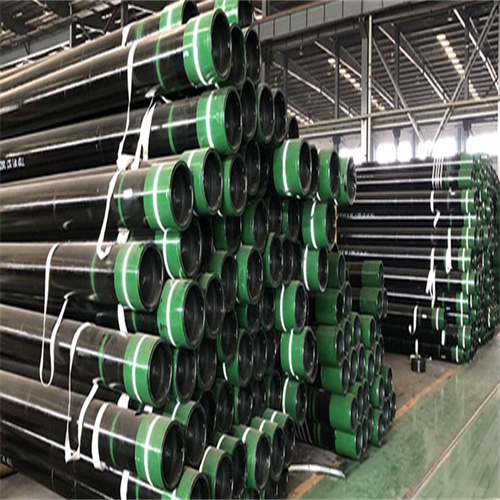
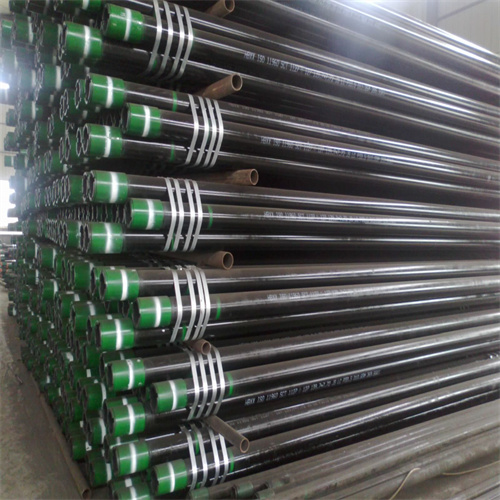
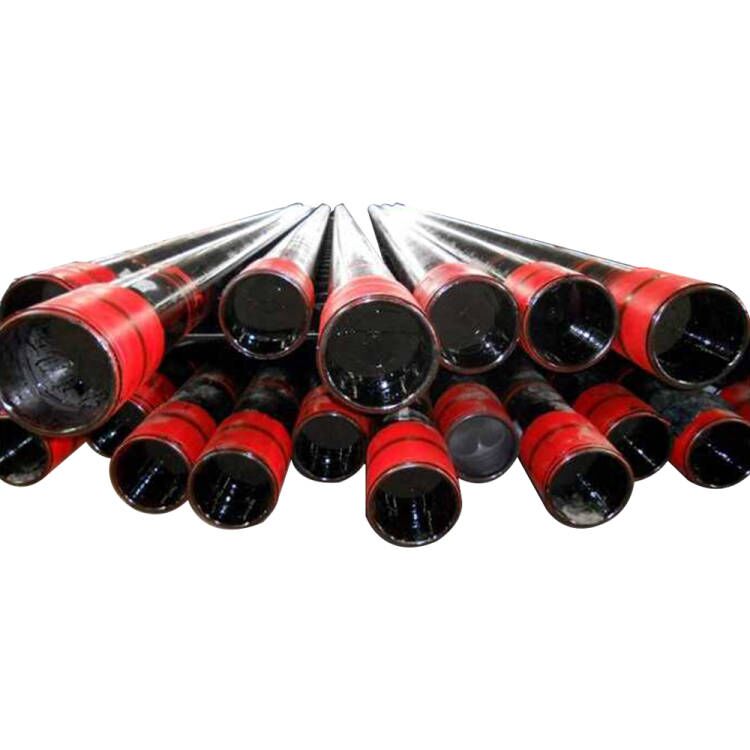
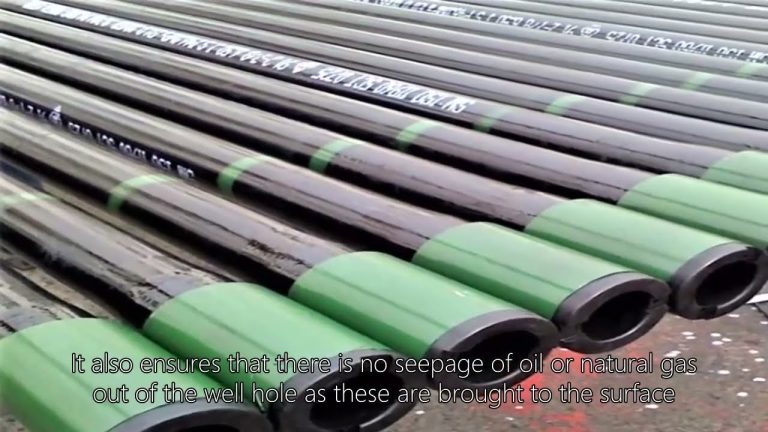
তেল আবরণ, পেট্রোলিয়াম শিল্পের একটি গুরুত্বপূর্ণ উপাদান, সাম্প্রতিক বছরগুলিতে উল্লেখযোগ্য উদ্ভাবন হয়েছে, উল্লেখযোগ্যভাবে এর কর্মক্ষমতা এবং জীবনকাল বৃদ্ধি করেছে। ঐতিহ্যগতভাবে, তেলের আবরণগুলি উচ্চ চাপ, ক্ষয়কারী তরল এবং যান্ত্রিক চাপ সহ কঠোর পরিবেশগত অবস্থার শিকার হয়েছে। এই চ্যালেঞ্জগুলির জন্য এমন উপকরণগুলির প্রয়োজন হয় যা নিরাপত্তা বা দক্ষতার সাথে আপস না করেই এই ধরনের চাহিদাপূর্ণ কর্মক্ষম অবস্থাকে প্রতিরোধ করতে পারে। প্রকৌশলী এবং উপকরণ বিজ্ঞানীরা ক্ষয় এবং যান্ত্রিক পরিধানের জন্য উচ্চতর প্রতিরোধের অফার করে এমন ধাতু তৈরিতে মনোনিবেশ করেছেন। এই মিশ্রণগুলি প্রায়শই ক্রোমিয়াম, নিকেল এবং মলিবডেনামের মতো উপাদানগুলিকে অন্তর্ভুক্ত করে, যা স্থায়িত্ব এবং কাঠামোগত অখণ্ডতা বাড়ায়। এই উপকরণগুলিকে সাবধানে নির্বাচন এবং মিশ্রিত করার মাধ্যমে, নির্মাতারা প্রচলিত বিকল্পগুলির তুলনায় বর্ধিত পরিষেবা জীবন প্রদর্শন করে এমন কেসিং তৈরি করতে সক্ষম হয়েছে। প্রকৌশলীরা সৃজনশীল জ্যামিতি এবং উত্পাদন কৌশল গ্রহণ করেছেন যা স্ট্রেস বিতরণকে অপ্টিমাইজ করে এবং দুর্বল পয়েন্টগুলিকে হ্রাস করে। উদাহরণস্বরূপ, প্রিসিশন মেশিনিং এবং কম্পিউটার-এডেড ডিজাইন (CAD) এর ব্যবহার সুনির্দিষ্টভাবে ইঞ্জিনিয়ারড পুরুত্বের প্রোফাইলের সাথে কেসিং তৈরি করতে এবং গুরুত্বপূর্ণ এলাকায় শক্তিশালীকরণের অনুমতি দেয়। এই ধরনের নকশাগুলি শুধুমাত্র যান্ত্রিক শক্তির উন্নতি করে না বরং সময়ের সাথে সাথে ক্লান্তি ব্যর্থতার ঝুঁকিও কমিয়ে দেয়। এই চিকিত্সাগুলি জারা প্রতিরোধ, ঘর্ষণ হ্রাস, এবং তাপ নিরোধক সহ একাধিক উদ্দেশ্যে পরিবেশন করে। ন্যানোটেকনোলজি ন্যানো কম্পোজিট আবরণগুলির বিকাশকে আরও সক্ষম করেছে যা যান্ত্রিক নমনীয়তা বজায় রেখে ক্ষয়কারী এজেন্টগুলির বিরুদ্ধে উচ্চতর বাধা বৈশিষ্ট্য সরবরাহ করে। কেসিংয়ের পরিষেবা জীবন বাড়ানোর মাধ্যমে, কম প্রতিস্থাপনের প্রয়োজন হয়, উপাদানের ব্যবহার এবং বর্জ্য উত্পাদন হ্রাস করে। অধিকন্তু, বর্ধিত কেসিং দীর্ঘায়ু কেসিং ব্যর্থতার সাথে সম্পর্কিত ঝুঁকিগুলি হ্রাস করে নিরাপদ ক্রিয়াকলাপে অবদান রাখে, যেমন অখণ্ডতার সমস্যা এবং পরিবেশগত দূষণ৷
সাম্প্রতিক ক্ষেত্রের অ্যাপ্লিকেশনগুলিতে, এই অগ্রগতিগুলি বাস্তব সুবিধাগুলি প্রদর্শন করেছে৷ তেল কোম্পানিগুলি উন্নত ক্যাসিং গ্রহণের সাথে যুক্ত ডাউনটাইম এবং রক্ষণাবেক্ষণ খরচ উল্লেখযোগ্য হ্রাসের রিপোর্ট করেছে। তাছাড়া, এই উপাদানগুলির উন্নত নির্ভরযোগ্যতা সামগ্রিক ভাল কর্মক্ষমতা এবং উত্পাদনশীলতা বৃদ্ধিতে অবদান রেখেছে। ভবিষ্যত উদ্ভাবনগুলি বস্তুগত বৈশিষ্ট্যগুলিকে আরও উন্নত করার উপর ফোকাস করতে পারে, নতুন উত্পাদন কৌশলগুলি যেমন অ্যাডিটিভ ম্যানুফ্যাকচারিং (3D প্রিন্টিং) অন্বেষণ করতে পারে এবং রিয়েল-টাইম মনিটরিং এবং ডায়াগনস্টিকসের জন্য স্মার্ট প্রযুক্তিগুলিকে একীভূত করতে পারে। এই উন্নয়নগুলির লক্ষ্য শুধুমাত্র পরিষেবার আয়ু বাড়ানোই নয়, বরং তেল ও গ্যাস শিল্প জুড়ে কর্মক্ষম দক্ষতা এবং স্থায়িত্ব বাড়ানোর জন্যও। . উন্নত উপকরণ, উদ্ভাবনী নকশা এবং পৃষ্ঠ চিকিত্সার কৌশলগত ব্যবহারের মাধ্যমে, তেলের আবরণগুলি স্থায়িত্ব এবং কর্মক্ষমতার অভূতপূর্ব মাত্রা অর্জন করেছে। শিল্পের অগ্রগতির সাথে সাথে, এই অগ্রগতিগুলি নিঃসন্দেহে তেল অনুসন্ধান এবং উত্পাদনের ভবিষ্যত গঠনে, বিশ্বব্যাপী নিরাপদ, আরও দক্ষ এবং আরও টেকসই অপারেশন নিশ্চিত করতে একটি গুরুত্বপূর্ণ ভূমিকা পালন করবে।
Traditionally, Oil Casing has been designed primarily for strength and resistance to environmental stresses such as pressure and corrosion. However, the latest innovations have taken a more holistic approach, integrating creative geometric designs that not only enhance these properties but also extend the service life of the casing itself.
One of the most impressive advancements lies in the utilization of novel geometric patterns. Engineers have moved beyond traditional cylindrical shapes to incorporate intricate geometries that distribute stress more efficiently. This innovation is particularly crucial in unconventional drilling environments where casings are subjected to extreme pressures and temperatures. By dispersing stress more evenly, these designs mitigate the risk of cracks and fatigue, thereby significantly increasing the casing’s durability.
Furthermore, these geometric innovations are not limited to external shapes but extend to internal structures as well. Internal coatings and linings now feature geometric patterns that improve fluid dynamics and reduce frictional losses during extraction. This not only enhances operational efficiency but also minimizes wear and tear on the casing itself, effectively doubling its service life in some cases.
Moreover, the integration of advanced Materials complements these geometric designs. high-strength alloys and composite materials are now tailored to match the specific stress profiles of different well conditions. By strategically reinforcing critical areas identified through geometric analysis, engineers can optimize material usage and reduce overall casing Weight without compromising performance. This dual approach of advanced materials and geometric design ensures that the casing not only meets but exceeds industry standards for reliability and safety.
Another area of innovation is the modular casing design. By breaking down the casing into interchangeable modules, engineers can customize solutions for different well architectures and drilling conditions. This flexibility not only streamlines manufacturing and logistics but also allows for easier Maintenance and Repair operations, thereby reducing downtime and operational costs over the casing’s lifecycle.
In addition to structural enhancements, these innovations also address environmental considerations. Sustainable design principles are increasingly integrated into casing development, focusing on recyclability and reduced environmental impact throughout the casing’s lifecycle. From materials selection to end-of-life recycling, these considerations underscore the industry’s commitment to sustainability and responsible resource management.
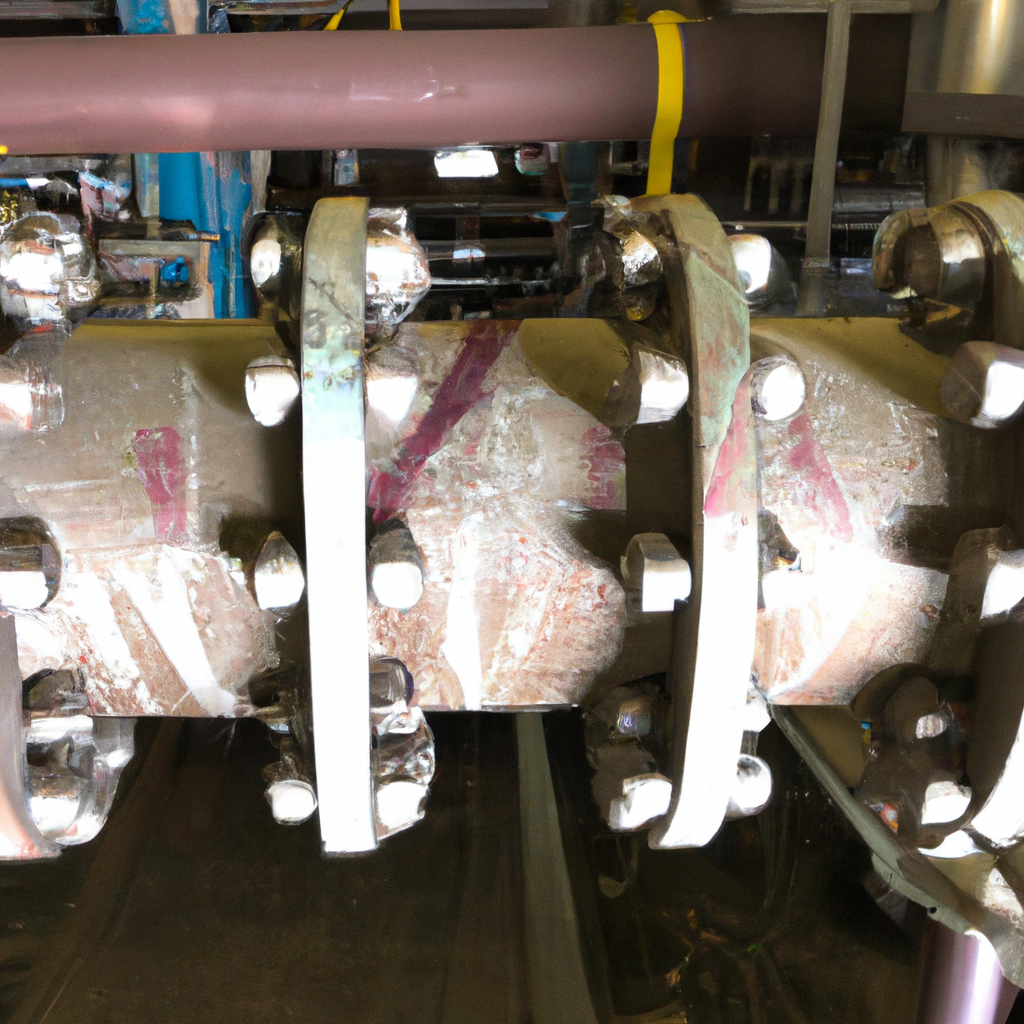 Looking ahead, the pace of innovation in oil casing design shows no signs of slowing down. Emerging technologies such as additive manufacturing (3D printing) promise further customization and efficiency gains, allowing for even more intricate and optimized geometric designs. This iterative process of innovation contiNues to push the boundaries of what is possible in oil casing technology, ensuring that the industry remains competitive and sustainable in an ever-evolving global energy landscape.
In conclusion, the evolution of oil casing design through innovative geometric solutions marks a significant milestone in the Petroleum Industry. By enhancing structural integrity, extending service life, and incorporating sustainable practices, these advancements not only meet current operational challenges but also pave the way for future innovations. As the demand for energy grows, so too does the importance of efficient, durable, and environmentally responsible oil casing solutions.
Next-Generation Materials Enhancing Oil Casing Performance and Lifespan
Oil casing, a critical component in the petroleum industry, has undergone remarkable innovation in recent years, significantly enhancing its performance and lifespan. Traditionally, oil casings have been subjected to harsh environmental conditions, including high pressure, corrosive fluids, and mechanical stress. These challenges necessitate materials that can withstand such demanding operational conditions without compromising safety or efficiency.
One of the key advancements in oil casing technology revolves around the development of next-generation materials. Engineers and materials scientists have focused on creating alloys that offer superior resistance to corrosion and mechanical wear. These alloys often incorporate elements such as chromium, nickel, and molybdenum, which enhance durability and structural integrity. By carefully selecting and blending these materials, Manufacturers have been able to produce casings that exhibit extended service life compared to conventional options.
In addition to advanced materials, innovative design approaches have played a crucial role in improving oil casing performance. Engineers have adopted creative geometries and manufacturing techniques that optimize stress distribution and minimize weak points. For instance, the use of precision machining and computer-aided design (CAD) allows for the creation of casings with precisely engineered thickness profiles and reinforcement in critical areas. Such designs not only improve mechanical strength but also mitigate the risk of fatigue failure over time.
API 5ct N80-1 CASING SupplierFurthermore, the application of surface treatments and coatings has become increasingly prevalent in enhancing the resilience of oil casings. These treatments serve multiple purposes, including Corrosion resistance, friction reduction, and thermal insulation. Nanotechnology has further enabled the development of nanocomposite coatings that provide superior barrier properties against corrosive agents while maintaining mechanical flexibility.
The durability of oil casings is not only crucial for operational efficiency but also for environmental sustainability. By extending the service life of casings, fewer replacements are needed, reducing material consumption and waste generation. Moreover, enhanced casing longevity contributes to safer operations by minimizing the risks associated with casing failure, such as well integrity issues and environmental contamination.
In recent field applications, these advancements have demonstrated tangible benefits. Oil Companies have reported significant reductions in downtime and maintenance costs associated with the adoption of advanced casings. Moreover, the improved reliability of these components has contributed to enhanced overall well performance and productivity.
Looking ahead, ongoing research continues to push the boundaries of oil casing technology. Future innovations may focus on further improving material properties, exploring new manufacturing techniques such as additive manufacturing (3D printing), and integrating smart technologies for real-time monitoring and diagnostics. These developments aim not only to extend service life but also to enhance operational efficiency and sustainability across the Oil and Gas industry.
In conclusion, the evolution of oil casing technology represents a testament to continuous innovation and collaboration within the materials science and engineering fields. Through the strategic use of advanced materials, innovative designs, and surface treatments, oil casings have achieved unprecedented levels of durability and performance. As the industry progresses, these advancements will undoubtedly play a pivotal role in shaping the future of oil exploration and production, ensuring safer, more efficient, and more sustainable operations globally.