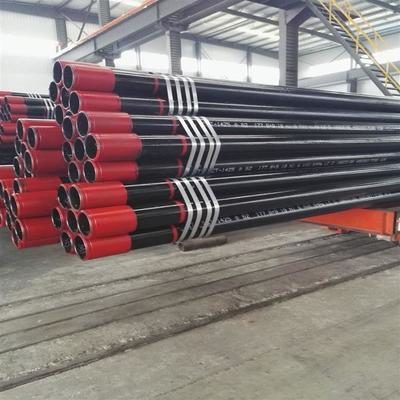
مزايا الطباعة ثلاثية الأبعاد في صناعة أغلفة الزيوت
أفضل مورد في أنبوب الزيت في الصين
ميزة أخرى ملحوظة للطباعة ثلاثية الأبعاد في تصنيع أغلفة الزيت هي إمكانية التخصيص. قد يكون لكل بئر نفط متطلبات فريدة بناءً على ظروفه الجيولوجية، وتسمح الطباعة ثلاثية الأبعاد بإنتاج مكونات مخصصة تلبي هذه الاحتياجات المحددة. لا يعمل هذا المستوى من التخصيص على تحسين أداء الغلاف فحسب، بل يعزز أيضًا الكفاءة الإجمالية لعملية الاستخراج، حيث يمكن تصميم المكونات لتحسين معدلات التدفق وتقليل احتمالية الفشل.
في الختام، مزايا دمج الطباعة ثلاثية الأبعاد في تصنيع أغلفة النفط متعددة، تشمل قدرات التصميم المحسنة، والنماذج الأولية السريعة، وتوفير التكاليف، وتعزيز كفاءة سلسلة التوريد، وإمكانية التخصيص. مع استمرار تطور صناعة النفط والغاز، سيكون تبني التقنيات المبتكرة مثل الطباعة ثلاثية الأبعاد أمرًا ضروريًا للشركات التي تسعى إلى الحفاظ على قدرتها التنافسية مع مواجهة تحديات السوق الديناميكية. إن التحول نحو التصنيع الإضافي لا يمثل تقدمًا تكنولوجيًا فحسب، بل يمثل تغييرًا أساسيًا في كيفية تصور مكونات غلاف الزيت وإنتاجها واستخدامها، مما يؤدي في النهاية إلى صناعة أكثر كفاءة واستدامة.
In addition to speed and design flexibility, 3D printing also contributes to significant cost savings. Traditional manufacturing processes for Oil Casing often involve extensive machining and tooling, which can be both time-consuming and expensive. In contrast, 3D printing eliminates many of these steps by allowing for direct production from digital models. This reduction in the need for tooling and machining not only lowers production costs but also minimizes waste, as additive manufacturing typically uses only the Material necessary to create the part. This aspect of 3D printing aligns well with the growing emphasis on sustainability within the Oil and Gas sector, as Companies seek to reduce their environmental footprint.
Furthermore, the integration of 3D printing into oil casing manufacturing enhances supply chain efficiency. With the ability to produce components on-demand, companies can reduce their inventory levels and respond more swiftly to changing market conditions. This flexibility is particularly beneficial in an industry characterized by fluctuating demand and the need for r APId deployment of resources. By leveraging 3D printing, Manufacturers can produce parts as needed, thereby minimizing the risks associated with overproduction and excess inventory.
 Another notable advantage of 3D printing in oil casing manufacturing is the potential for customization. Each Oil Well may have unique requirements based on its geological conditions, and 3D printing allows for the production of tailored components that meet these specific needs. This level of customization not only improves the performance of the casing but also enhances the overall efficiency of the extraction process, as components can be designed to optimize flow rates and reduce the likelihood of failures.
In conclusion, the advantages of integrating 3D printing into oil casing manufacturing are manifold, encompassing improved design capabilities, rapid prototyping, cost savings, enhanced supply chain efficiency, and the potential for customization. As the oil and gas industry contiNues to evolve, embracing innovative technologies such as 3D printing will be essential for companies seeking to maintain their competitive edge while addressing the challenges of a dynamic market. The shift towards additive manufacturing represents not just a technological advancement but a fundamental change in how oil casing components are conceived, produced, and utilized, ultimately leading to a more efficient and sustainable industry.