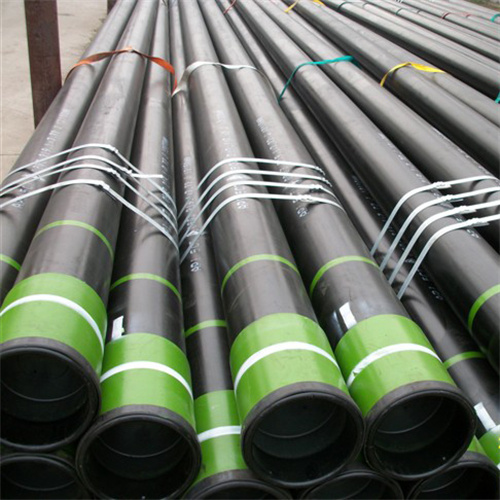
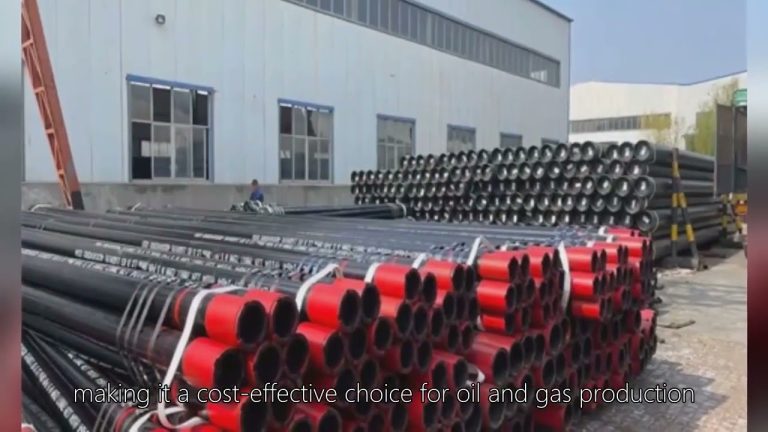
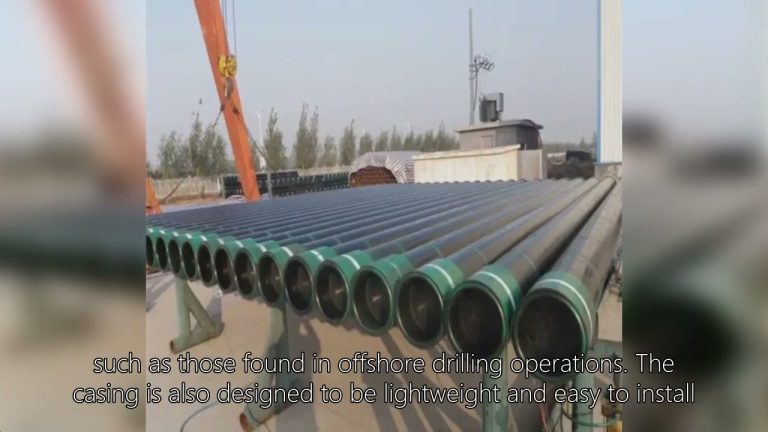
**فهم آليات التآكل في تطبيقات أغلفة الزيت**
**تقييم خصائص المواد لفعالية مقاومة التآكل في غلاف الزيت**
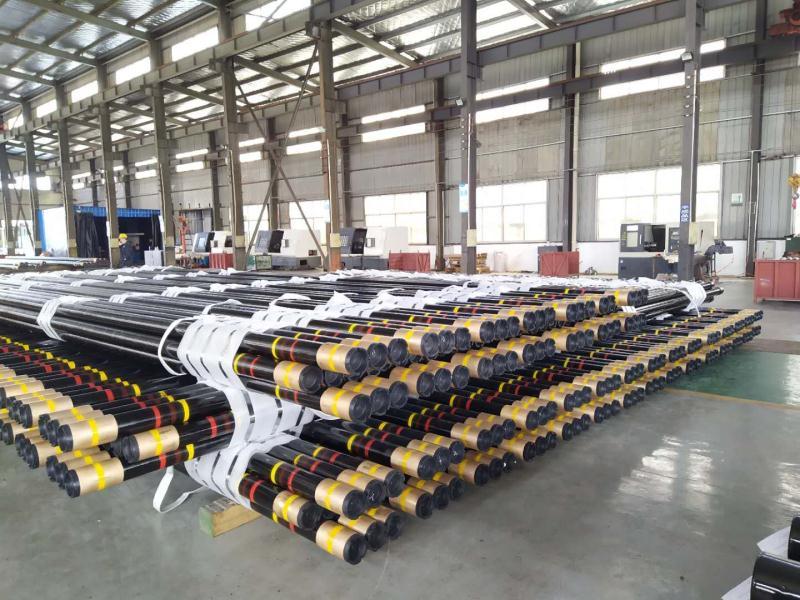
عندما يتعلق الأمر بصناعة النفط والغاز، فإن سلامة أغلفة النفط لها أهمية قصوى، خاصة في البيئات المعرضة للتآكل. يعد اختيار مادة مناسبة مضادة للتآكل أمرًا بالغ الأهمية لضمان طول عمر وموثوقية أنظمة تغليف الزيت. لاتخاذ اختيار مربح للمواد المضادة للتآكل، يجب على المرء أولاً تقييم مناسبة التطبيق المحددة، والتي تتضمن فهم الظروف البيئية، ونوع السوائل التي يتم نقلها، والضغوط الميكانيكية التي سيواجهها الغلاف.
الخطوة الأولى في هذا التقييم وتتمثل العملية في النظر في العوامل البيئية التي يمكن أن تساهم في التآكل. على سبيل المثال، وجود الماء، وخاصة المياه المالحة، يمكن أن يؤدي إلى تسريع عملية التآكل بشكل كبير. بالإضافة إلى ذلك، تلعب ظروف درجة الحرارة والضغط في البيئة دورًا حاسمًا في تحديد معدل التآكل. يمكن أن تؤدي درجات الحرارة المرتفعة إلى تعزيز التأثيرات المسببة للتآكل لبعض المواد الكيميائية، في حين أن الضغوط العالية يمكن أن تؤدي إلى تشقق التآكل الإجهادي. لذلك، من الضروري جمع بيانات شاملة عن الظروف البيئية لتحديد المواد المضادة للتآكل الأكثر ملاءمة.
بمجرد فهم الظروف البيئية، فإن الخطوة التالية هي تحليل خصائص المواد المقاومة للتآكل المحتملة. تُظهر المواد المختلفة، مثل الفولاذ الكربوني والفولاذ المقاوم للصدأ والسبائك المتخصصة، مستويات مختلفة من المقاومة للتآكل. على سبيل المثال، يُعرف الفولاذ المقاوم للصدأ بمقاومته الممتازة للتآكل بسبب وجود الكروم، الذي يشكل طبقة أكسيد واقية على السطح. ومع ذلك، فإن تكلفة الفولاذ المقاوم للصدأ يمكن أن تكون أعلى بكثير من تكلفة الفولاذ الكربوني، والتي قد لا تكون مناسبة لجميع التطبيقات. وبالتالي، يعد تحليل التكلفة والعائد ضروريًا لتحديد ما إذا كان الأداء المعزز لمادة أكثر تكلفة يبرر الاستثمار.
بالإضافة إلى تكوين المواد، يمكن أن تؤثر المعالجة السطحية للغلاف أيضًا على فعاليته في مقاومة التآكل. يمكن لتقنيات مثل الجلفنة، والطلاء، وتطبيق مثبطات التآكل أن تعزز الصفات الوقائية لمواد الغلاف. على سبيل المثال، يمكن لطلاء الزنك أن يوفر حماية مضحية للفولاذ الأساسي، وبالتالي إطالة عمره في البيئات المسببة للتآكل. علاوة على ذلك، يجب أن يكون اختيار مادة الطلاء متوافقًا مع السوائل التي يتم نقلها لتجنب أي تفاعلات كيميائية ضارة قد تؤثر على سلامة الغلاف.
علاوة على ذلك، من الضروري مراعاة الخواص الميكانيكية للمادة المضادة للتآكل. يجب ألا تقاوم المادة التآكل فحسب، بل يجب أن تتحمل أيضًا الضغوط الميكانيكية المفروضة أثناء التركيب والتشغيل. تعتبر عوامل مثل قوة الشد، والليونة، والمتانة حاسمة في ضمان قدرة الغلاف على تحمل الظروف الديناميكية لاستخراج النفط. لذلك، فإن إجراء اختبار ميكانيكي وتقييم أداء المادة في ظل ظروف تشغيل محاكاة يمكن أن يوفر رؤى قيمة حول مدى ملاءمتها لتطبيق محدد.
أخيرًا، من المهم البقاء على اطلاع بالتطورات في علوم وتكنولوجيا المواد، كمواد وعلاجات جديدة مضادة للتآكل يتم تطويرها باستمرار. قد توفر الابتكارات مثل الطلاءات القائمة على تكنولوجيا النانو والمواد المركبة المتقدمة حماية معززة ضد التآكل مع كونها خفيفة الوزن وفعالة من حيث التكلفة. يمكن أن يساعد التعامل مع خبراء الصناعة والمشاركة في الأبحاث ذات الصلة في اتخاذ قرارات مستنيرة فيما يتعلق باختيار المواد المضادة للتآكل. الخصائص الميكانيكية، والتقدم التكنولوجي المستمر. من خلال التحليل المنهجي لهذه العوامل، يمكن للمرء اختيار الحل الأكثر فعالية لمكافحة التآكل والمصمم خصيصًا لمناسبة التطبيق المحددة، مما يضمن في النهاية موثوقية وطول عمر أنظمة تغليف الزيت في البيئات الصعبة.
**Evaluating Material Properties for Anticorrosion Effectiveness in Oil Casing**
When it comes to the Oil and Gas industry, the integrity of oil casing is paramount, particularly in environments that are prone to corrosion. The selection of an appropriate anticorrosion material is crucial for ensuring the longevity and reliability of oil casing systems. To make a gainful choice of anticorrosion material, one must first evaluate the specific application occasion, which includes understanding the environmental conditions, the type of fluids being transported, and the mechanical stresses that the casing will encounter.
The first step in this evaluation process is to consider the environmental factors that can contribute to corrosion. For instance, the presence of water, particularly saline water, can significantly accelerate the corrosion process. Additionally, the temperature and pressure conditions of the environment play a critical role in determining the rate of corrosion. high temperatures can enhance the corrosive effects of certain chemicals, while high pressures can lead to stress corrosion cracking. Therefore, it is essential to gather comprehensive data on the environmental conditions to identify the most suitable anticorrosion materials.
Once the environmental conditions are understood, the next step is to analyze the properties of potential anticorrosion materials. Various materials, such as Carbon Steel, Stainless Steel, and specialized alloys, exhibit different levels of resistance to corrosion. For example, stainless steel is known for its excellent Corrosion resistance due to the presence of chromium, which forms a protective oxide layer on the surface. However, the cost of stainless steel can be significantly higher than that of carbon steel, which may not be suitable for all applications. Thus, a cost-benefit analysis is necessary to determine whether the enhanced performance of a more expensive material justifies the investment.
In addition to material composition, the surface treatment of the casing can also influence its anticorrosion effectiveness. Techniques such as galvanization, coating, and the application of corrosion inhibitors can enhance the protective qualities of the casing material. For instance, a zinc coating can provide sacrificial protection to the underlying steel, thereby extending its lifespan in corrosive environments. Furthermore, the choice of coating material should be compatible with the fluids being transported to avoid any adverse chemical reactions that could compromise the integrity of the casing.
Moreover, it is essential to consider the mechanical properties of the anticorrosion material. The material must not only resist corrosion but also withstand the mechanical stresses imposed during installation and operation. Factors such as tensile strength, ductility, and toughness are critical in ensuring that the casing can endure the dynamic conditions of oil extraction. Therefore, conducting mechanical testing and evaluating the material’s performance under simulated operational conditions can provide valuable insights into its suitability for the specific application.
Finally, it is important to stay informed about advancements in material science and technology, as new anticorrosion materials and treatments are continually being developed. innovations such as nanotechnology-based coatings and advanced composite materials may offer enhanced protection against corrosion while also being lightWeight and cost-effective. Engaging with industry experts and participating in relevant research can help in making informed decisions regarding the selection of anticorrosion materials.
In conclusion, making a gainful choice of oil casing anticorrosion material requires a thorough evaluation of environmental conditions, material properties, surface treatments, mechanical characteristics, and ongoing advancements in technology. By systematically analyzing these factors, one can select the most effective anticorrosion solution tailored to the specific application occasion, ultimately ensuring the reliability and longevity of oil casing systems in challenging environments.