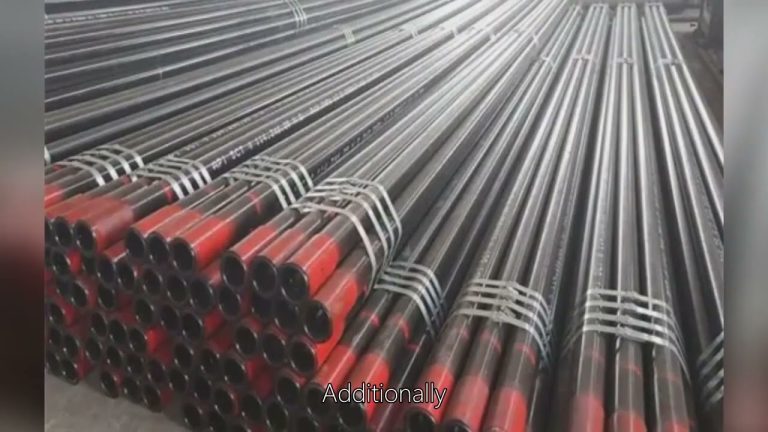
تقنيات محسنة لسلامة أغلفة الزيت في الظروف القاسية
أسعار الجملة للأنابيب الفرعية
التغلب على التحديات المشتركة في حفر آبار النفطفي عالم حفر آبار النفط المعقد، حيث التحديات هي القاعدة وليس الاستثناء، غالبا ما يكون التقدم التكنولوجي هو المفتاح للتغلب على العقبات القائمة منذ فترة طويلة. تمثل التطورات التي تم الكشف عنها مؤخرًا في أغلفة النفط عالية القوة قفزة كبيرة إلى الأمام في سعي الصناعة المستمر لتحقيق الكفاءة والموثوقية والسلامة.
تواجه عمليات التنقيب عن النفط عددًا لا يحصى من التحديات، بدءًا من الضغوط الشديدة ودرجات الحرارة العميقة تحت الأرض إلى البيئات المسببة للتآكل التي يمكن أن المساس بسلامة المعدات. ومن بين هذه التحديات، يعد ضمان سلامة الغلاف والحاجز الوقائي الذي يربط حفرة البئر أمرًا بالغ الأهمية. تقليديًا، كانت الأغلفة الفولاذية هي العمود الفقري لبناء الآبار، مما يوفر المتانة ولكنها أيضًا عرضة للضغوط والتآكل بمرور الوقت.
يمثل الكشف عن غلاف النفط الجديد عالي القوة تقدمًا جديرًا بالملاحظة. تم تصميم هذه الأغلفة باستخدام مواد وتقنيات تصنيع متقدمة، وتتميز بخصائص ميكانيكية فائقة، بما في ذلك قوة الشد المحسنة ومقاومة التآكل. يُترجم هذا إلى عمر خدمة أطول وتقليل متطلبات الصيانة، مما يعالج نقطتي صعوبة بالغتين في عمليات الحفر.
علاوة على ذلك، فإن نشر غلاف الزيت عالي القوة يجلب فوائد ملموسة للكفاءة التشغيلية. من خلال تحمل الضغوط ودرجات الحرارة المرتفعة دون المساس بالسلامة، تتيح هذه الأغلفة الحفر بشكل أعمق وفي تكوينات جيولوجية أكثر تحديًا. تعمل هذه الإمكانية على توسيع نطاق التنقيب عن النفط واستخراجه، مما قد يؤدي إلى فتح خزانات جديدة كانت تعتبر في السابق غير قابلة للوصول أو غير قابلة للحياة اقتصاديًا.
بالإضافة إلى تحسينات الأداء، فإن اعتماد هذه التكنولوجيا يؤكد التزام الصناعة بالرعاية البيئية والسلامة. تعمل متانة الغلاف المحسنة على تقليل مخاطر التسربات والانسكابات، مما يحافظ على البيئة واستمرارية التشغيل. علاوة على ذلك، يُترجم انخفاض احتياجات الصيانة إلى عدد أقل من الاضطرابات التشغيلية وانخفاض التأثير البيئي المرتبط بأنشطة الصيانة.
إن الرحلة من وضع المفهوم إلى تسويق أغلفة النفط عالية القوة غارقة في البحث والتطوير الصارم. يلعب علم المواد دورًا محوريًا، حيث يتعاون المهندسون والعلماء لتحديد السبائك والمواد المركبة القادرة على تحمل الظروف القاسية التي تواجهها آبار النفط. تضمن عمليات التصنيع المتقدمة تصنيعًا دقيقًا، وهو أمر ضروري للحفاظ على دقة الأبعاد واتساق المواد الضروريين لأداء موثوق به تحت الأرض.
وبخلاف الجوانب الفنية، فإن إدخال تكنولوجيا الغلاف الجديدة يعيد أيضًا تشكيل المشهد الاقتصادي للتنقيب عن النفط. في حين أن الاستثمارات الأولية في الأغلفة عالية القوة قد تكون أعلى مقارنة بالخيارات التقليدية، إلا أن توفير التكاليف على المدى الطويل والكفاءات التشغيلية التي تقدمها تمثل حالة عمل مقنعة. تُترجم المتانة المحسنة وعمر الخدمة الممتد إلى دورات استبدال منخفضة ووقت توقف تشغيلي، مما يؤدي في النهاية إلى تحسين الربحية والقدرة التنافسية في سوق متقلب.
وبالنظر إلى المستقبل، يظل تطور تكنولوجيا حفر آبار النفط ديناميكيًا ومستجيبًا لمتطلبات الصناعة والضرورات البيئية. تؤكد الابتكارات مثل غلاف النفط عالي القوة على اتجاه أوسع نحو ممارسات استخراج الموارد المستدامة والفعالة. مع استمرار ارتفاع الطلب العالمي على الطاقة، إلى جانب التدقيق المتزايد في التأثيرات البيئية، أصبحت هذه التطورات محورية بشكل متزايد في تحقيق التوازن بين الفوائد الاقتصادية والمسؤوليات البيئية.
في الختام، يمثل الكشف عن غلاف النفط الجديد عالي القوة علامة بارزة في التغلب على هذه المشكلة. التحديات المشتركة التي تواجه حفر آبار النفط. ومن خلال تعزيز المتانة، وتحسين الكفاءة التشغيلية، وتعزيز الإشراف البيئي، لا تعد هذه التطورات بإعادة تشكيل معايير الصناعة فحسب، بل تؤكد أيضًا على السعي الدؤوب للابتكار في قطاع الطاقة. مع استمرار تطور التكنولوجيا، تتزايد أيضًا إمكانية فتح آفاق جديدة في مجال التنقيب عن النفط واستخراجه، مما يضمن مستقبلًا مستدامًا ومرنًا للصناعة والاقتصاد العالمي على حدٍ سواء.
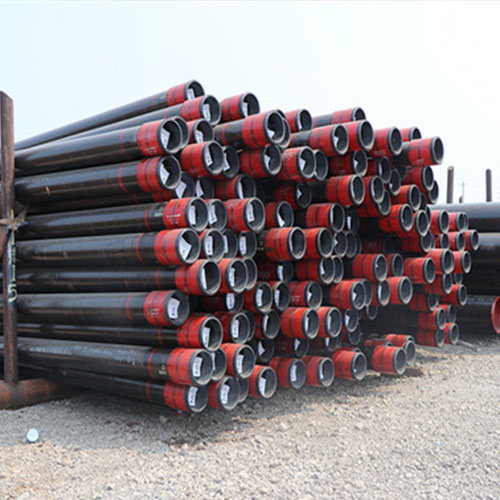
Furthermore, the adoption of high-strength Oil Casings underscores a broader trend towards sustainable and efficient energy practices. By minimizing the frequency of casing replacements and Repairs, operators can reduce downtime and environmental footprint associated with drilling operations. This efficiency not only improves operational economics but also aligns with global efforts to enhance energy extraction practices responsibly.
In practical terms, the deployment of these advanced casings translates into tangible benefits for the Oil and Gas industry. Operators can pursue deeper reservoirs and more challenging formations with confidence, knowing that their equipment is engineered to withstand the harshest conditions imaginable. This capability not only expands the frontier of exploration but also enhances the overall resilience of energy supply chains worldwide.
Looking ahead, the contiNued evolution of oil casing technology promises even greater advancements. Ongoing research efforts focus on refining Material compositions, exploring novel fabrication methods, and integrating smart technologies to monitor casing performance in real-time. These innovations are poised to redefine the benchmarks for reliability and safety in oil well operations, ushering in a new era of efficiency and sustainability.
In conclusion, the unveiling of high-strength oil casing represents a transformative development in the field of energy extraction. By leveraging cutting-edge materials and techniques, the industry is poised to overcome longstanding challenges and unlock new opportunities in the most demanding environments. As exploration ventures deeper and conditions grow more extreme, these advancements will play a pivotal role in ensuring the integrity and sustainability of oil operations for years to come.
Overcoming Common Challenges in Oil Well Drilling
In the intricate realm of oil well drilling, where challenges are the norm rather than the exception, advancements in technology often hold the key to overcoming longstanding obstacles. Recently disclosed developments in high-strength oil casing represent a significant leap forward in the industry’s ongoing quest for efficiency, reliability, and safety.
Oil drilling operations face a myriad of challenges, from extreme pressures and temperatures deep underground to corrosive environments that can compromise equipment integrity. Among these challenges, ensuring the integrity of the casing – the protective barrier that lines the wellbore – is paramount. Traditionally, Steel casings have been the backbone of well Construction, offering robustness but also susceptible to stresses and corrosion over time.
The unveiling of new high-strength oil casing marks a noteworthy advancement. Engineered with advanced materials and manufacturing techniques, these casings exhibit superior mechanical properties, including enhanced tensile strength and resistance to corrosion. This translates into longer service life and reduced Maintenance requirements, addressing two critical pain points in drilling operations.
Moreover, the deployment of high-strength oil casing brings tangible benefits to operational efficiency. By withstanding higher pressures and temperatures without compromising integrity, these casings enable drilling deeper and in more challenging geological formations. This capability expands the reach of oil exploration and extraction, potentially unlocking new reservoirs previously deemed inaccessible or economically unviable.
In addition to performance improvements, the adoption of such technology underscores the industry’s commitment to environmental stewardship and safety. Enhanced casing durability minimizes the risk of leaks and spills, safeguarding both the environment and operational continuity. Furthermore, reduced maintenance needs translate into fewer operational disruptions and lower environmental impact associated with maintenance activities.
The journey from conceptualization to commercialization of high-strength oil casing is steeped in rigorous research and development. Materials science plays a pivotal role, with engineers and scientists collaborating to identify alloys and composites capable of withstanding the harsh conditions encountered in oil wells. Advanced manufacturing processes ensure precise fabrication, crucial for maintaining dimensional accuracy and material consistency essential for reliable performance underground.
Beyond the technical aspects, the introduction of new casing technology also reshapes the economic landscape of oil drilling. While initial investments in high-strength casings may be higher compared to conventional options, the long-term cost savings and operational efficiencies they offer present a compelling business case. Enhanced durability and extended service life translate into reduced replacement cycles and operational downtime, ultimately improving profitability and competitiveness in a volatile market.
Looking ahead, the evolution of oil well drilling technology remains dynamic and responsive to both industry demands and environmental imperatives. Innovations like high-strength oil casing underscore a broader trend towards sustainable and efficient resource extraction practices. As the global demand for energy continues to rise, alongside growing scrutiny of environmental impacts, such advancements become increasingly pivotal in balancing economic benefits with environmental responsibilities.
In conclusion, the unveiling of new high-strength oil casing represents a significant milestone in overcoming common challenges faced in oil well drilling. By enhancing durability, improving operational efficiency, and bolstering environmental stewardship, these advancements not only promise to reshape industry standards but also underscore the relentless pursuit of innovation within the energy sector. As technology continues to evolve, so too does the potential to unlock new frontiers in oil exploration and extraction, ensuring a sustainable and resilient future for the industry and the global economy alike.