مقارنة المواد المختلفة المستخدمة في الغلاف والأنابيب وأنابيب الحفر
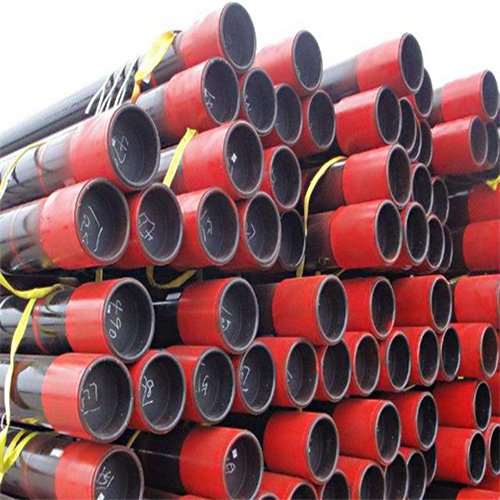
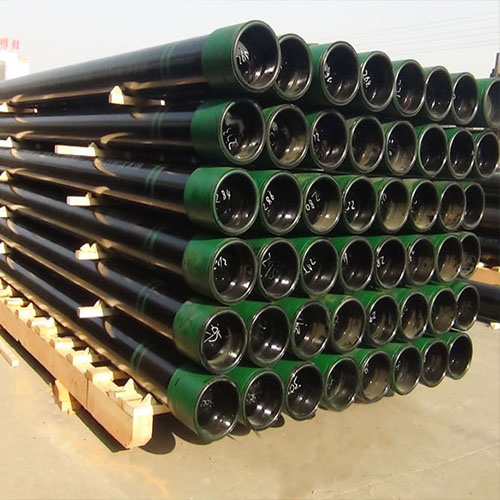
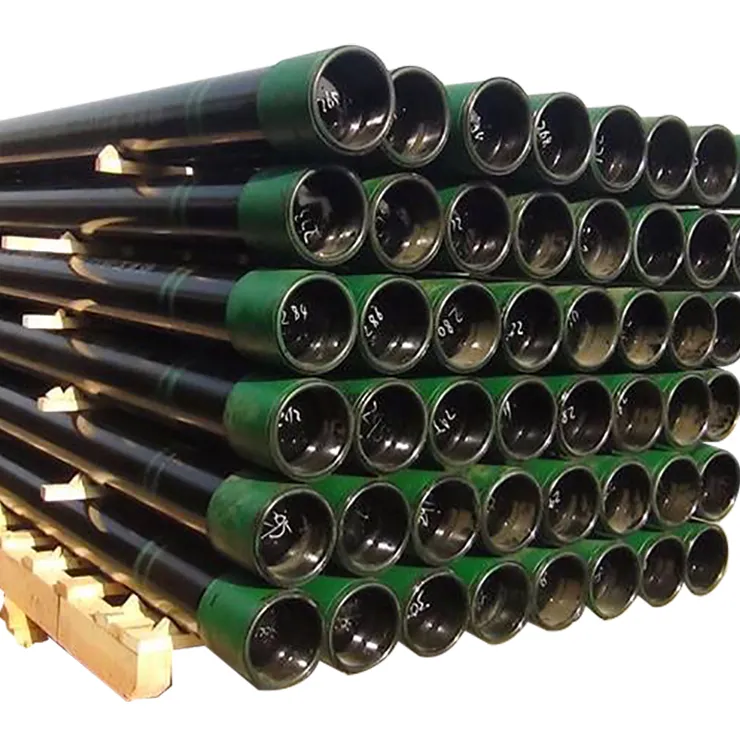
يعد الغلاف والأنابيب وأنابيب الحفر مكونات أساسية في صناعة النفط والغاز، حيث تلعب أدوارًا حاسمة في عمليات الحفر. تتعرض هذه المكونات لظروف قاسية مثل الضغط العالي والبيئات المسببة للتآكل ودرجات الحرارة القصوى. على هذا النحو، يعد اختيار المواد المناسبة للغلاف والأنابيب وأنابيب الحفر أمرًا بالغ الأهمية لضمان كفاءة عمليات الحفر وسلامتها وطول عمرها. في هذه المقالة، سنقوم بمقارنة المواد المختلفة المستخدمة بشكل شائع في التغليف والأنابيب وأنابيب الحفر، مع تسليط الضوء على نقاط القوة والضعف والتطبيقات الخاصة بها.
أنابيب التغليف، أنابيب التغليف جيدًا، غلاف الأنابيب العليا، الغلاف مقابل الأنابيب الحاملة، غلاف التيار المتردد الأنابيب ، غلاف الأنابيب الفولاذية ، حجم أنبوب التغليف ، سعر غلاف الأنابيب البلاستيكية ، غلاف الأنابيب ، موردي أنابيب الغلاف في الصين ، غلاف أنبوب السد ، غلاف أنبوب الحفر ، أنبوب الناقل ، حجم أنبوب الغلاف ، شفة البطانة ، جلبة الأكمام ، البطانة ، ذراع البطانة ، محمل البطانة، مخفض البطانة، أداة البطانة، البطانة البلاستيكية، معنى البطانة أحد المواد الأكثر استخدامًا في الغلاف والأنابيب وأنابيب الحفر هو الفولاذ الكربوني. يوفر الفولاذ الكربوني قوة ومتانة ممتازة، مما يجعله مناسبًا لبيئات الحفر المختلفة. ومع ذلك، فإن الفولاذ الكربوني عرضة للتآكل، خاصة في البيئات الحمضية أو المسببة للتآكل. للتخفيف من هذه المشكلة، غالبًا ما يتم طلاء أغلفة الصلب الكربوني والأنابيب وأنابيب الحفر بطبقات واقية مثل الإيبوكسي أو الزنك لتعزيز مقاومة التآكل.
ومن المواد الأخرى المستخدمة بشكل متكرر في الغلاف والأنابيب وأنابيب الحفر الفولاذ المقاوم للصدأ. يتميز الفولاذ المقاوم للصدأ بمقاومة عالية للتآكل، مما يجعله مثاليًا لظروف الحفر الصعبة حيث يشكل التآكل مصدر قلق كبير. بالإضافة إلى ذلك، يوفر الفولاذ المقاوم للصدأ خصائص ميكانيكية ممتازة ويمكنه تحمل درجات الحرارة والضغوط العالية. ومع ذلك، فإن الفولاذ المقاوم للصدأ أكثر تكلفة من الفولاذ الكربوني، مما قد يؤثر على ميزانيات المشروع.
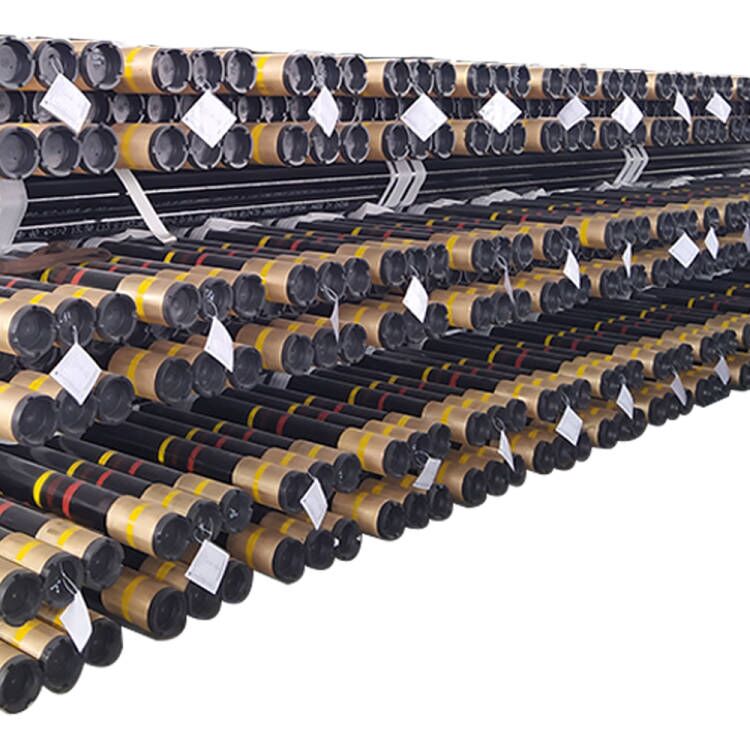
في السنوات الأخيرة، اكتسبت المواد المركبة شعبية في صناعة النفط والغاز للتغليف والأنابيب وأنابيب الحفر. توفر المركبات مزيجًا فريدًا من الخصائص، بما في ذلك القوة العالية، ومقاومة التآكل، وخفيفة الوزن. يعتبر الغلاف المركب والأنابيب وأنابيب الحفر مفيدًا بشكل خاص في عمليات الحفر البحرية حيث يكون تقليل الوزن أمرًا بالغ الأهمية. علاوة على ذلك، فإن المواد المركبة غير موصلة، مما يجعلها مناسبة لعمليات الحفر في المناطق ذات الموصلية الكهربائية العالية.
في حين أن الفولاذ الكربوني، والفولاذ المقاوم للصدأ، والمواد المركبة هي المواد الأساسية المستخدمة في التغليف، والأنابيب، وأنابيب الحفر، فإن كل مادة لها خصائصها الخاصة. المزايا والقيود. يعتمد اختيار المواد على عوامل مختلفة، بما في ذلك بيئة الحفر المحددة، وقيود الميزانية، ومتطلبات المشروع. على سبيل المثال، في البيئات المسببة للتآكل، قد يكون من المفضل استخدام الفولاذ المقاوم للصدأ أو المواد المركبة للتخفيف من مخاطر التآكل. وعلى العكس من ذلك، في البيئات الأقل تآكلًا، قد يكون الفولاذ الكربوني خيارًا فعالاً من حيث التكلفة.
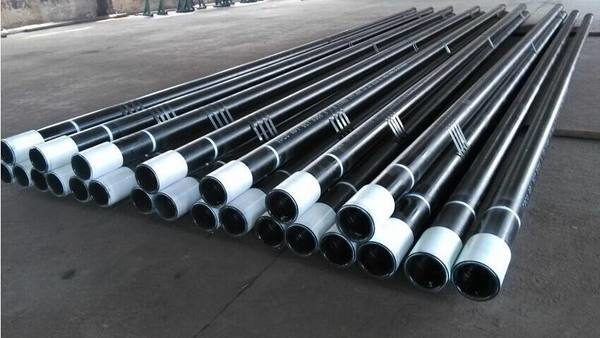 أفضل الممارسات لصيانة وفحص الغلاف والأنابيب وأنابيب الحفر
إن الالتزام بالمعايير التنظيمية وإرشادات الصناعة أمر غير قابل للتفاوض عندما يتعلق الأمر بصيانة وفحص الغلاف والأنابيب وأنابيب الحفر. يضمن الامتثال للوائح مثل معايير API أعلى مستوى من الأمان والموثوقية في عمليات الحفر. تساعد عمليات التدقيق والتقييمات المنتظمة في التحقق من الالتزام بهذه المعايير، مما يوفر الضمانات لأصحاب المصلحة والسلطات التنظيمية على حدٍ سواء.
حالة المطاط
في الختام، تعد صيانة وفحص الغلاف والأنابيب وأنابيب الحفر جوانب أساسية لإدارة سلامة الآبار في النفط و صناعة الغاز. ومن خلال تنفيذ أفضل الممارسات مثل الفحص المنتظم، والصيانة الاستباقية، والتعامل والتخزين المناسبين، والتعاون مع أصحاب المصلحة، والاستثمار في التكنولوجيا، والالتزام بالمعايير التنظيمية، يمكن للمشغلين تخفيف المخاطر، وتحسين الأداء، وضمان سلامة عمليات الحفر على المدى الطويل. تعد برامج الصيانة والفحص الفعالة أساس ممارسات الحفر الآمنة والفعالة والمستدامة.
Best Practices for Maintenance and Inspection of Casing, Tubing, and drill Pipes
Casing, tubing, and drill Pipes are essential components in the Oil and Gas industry, playing crucial roles in well Construction, operation, and maintenance. Ensuring their proper maintenance and inspection is paramount to the safety, efficiency, and longevity of drilling operations. In this article, we will explore best practices for the maintenance and inspection of casing, tubing, and drill pipes to mitigate risks and optimize performance.
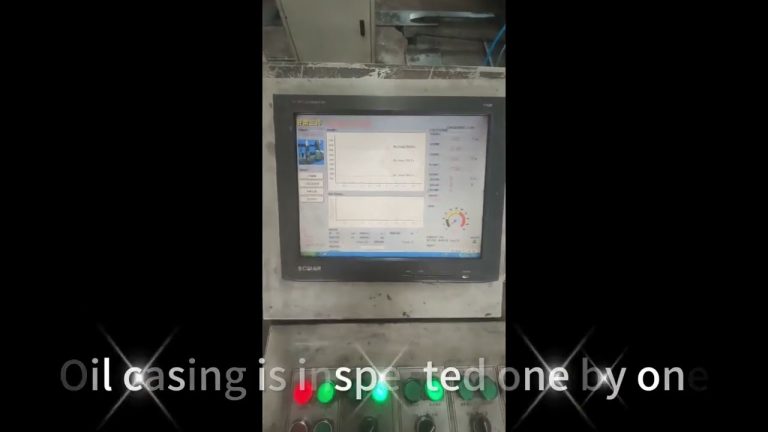
Regular inspection is the cornerstone of effective maintenance for casing, tubing, and drill pipes. Inspection should encompass visual examinations, Non-destructive testing (NDT), and dimensional measurements. Visual inspections allow operators to identify surface defects such as corrosion, cracks, or deformations. NDT techniques like ultrasonic testing and magnetic particle inspection provide deeper insights into the integrity of the Material, detecting internal flaws that may compromise structural integrity. Dimensional measurements ensure compliance with specified tolerances, guaranteeing proper fit and function.
Implementing a proactive maintenance schedule is essential to prevent the escalation of minor issues into major problems. Regular cleaning and lubrication help mitigate corrosion and reduce friction, extending the service life of casing, tubing, and drill pipes. Additionally, applying protective coatings or inhibitors can further safeguard against corrosive elements present in harsh drilling environments.
Furthermore, proper handling and storage practices are crucial to preserving the integrity of casing, tubing, and drill pipes. During transportation and installation, pipes should be handled with care to prevent mechanical damage or contamination. Adequate storage facilities should maintain optimal environmental conditions, including temperature and humidity control, to prevent corrosion and degradation over time.
Collaboration between operators, maintenance personnel, and equipment Manufacturers is vital for effective maintenance and inspection programs. Operators should leverage the expertise of manufacturers to develop customized inspection protocols tailored to specific operational requirements. Regular communication and feedback facilitate continuous improvement, allowing for the refinement of maintenance practices based on real-world performance data and industry best practices.
Investing in advanced technologies and equipment can enhance the efficiency and accuracy of maintenance and inspection activities. Automated inspection tools equipped with sensors and imaging systems enable rapid and comprehensive assessment of casing, tubing, and drill pipes, minimizing downtime and maximizing productivity. Furthermore, leveraging data analytics and predictive maintenance algorithms can optimize maintenance schedules, identifying potential issues before they escalate into costly failures.
Adhering to regulatory standards and industry guidelines is non-negotiable when it comes to the maintenance and inspection of casing, tubing, and drill pipes. Compliance with regulations such as API standards ensures the highest level of safety and reliability in drilling operations. Regular audits and assessments help verify adherence to these standards, providing assurance to stakeholders and regulatory authorities alike.
Rubber Case
In conclusion, the maintenance and inspection of casing, tubing, and drill pipes are essential aspects of well integrity management in the oil and gas industry. By implementing best practices such as regular inspection, proactive maintenance, proper handling and storage, collaboration with stakeholders, investment in technology, and adherence to regulatory standards, operators can mitigate risks, optimize performance, and ensure the long-term integrity of drilling operations. Effective maintenance and inspection programs are the foundation of safe, efficient, and sustainable drilling practices.