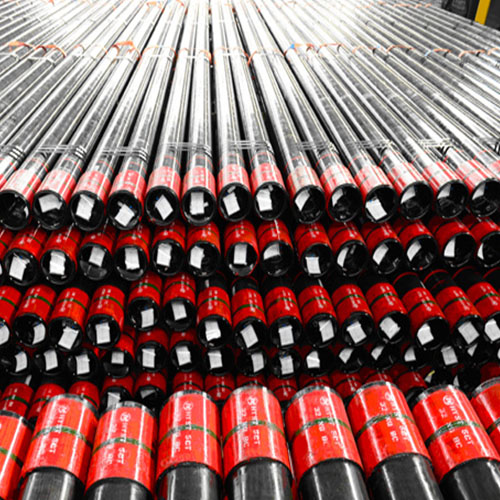
فهم دور الأنابيب والأنابيب في أغلفة آبار النفط
6 الغلاف بالإضافة إلى توفير الدعم الهيكلي وعزل السوائل، تعمل أغلفة آبار النفط كقنوات لاستخراج النفط والغاز الطبيعي. بمجرد وصول عملية الحفر إلى العمق المطلوب، يتم إدخال أنابيب الإنتاج في حفرة البئر، مما يسمح باستخراج الهيدروكربونات إلى السطح. يوفر نظام الغلاف قناة لمرور السوائل مع الحفاظ على سلامة البئر.
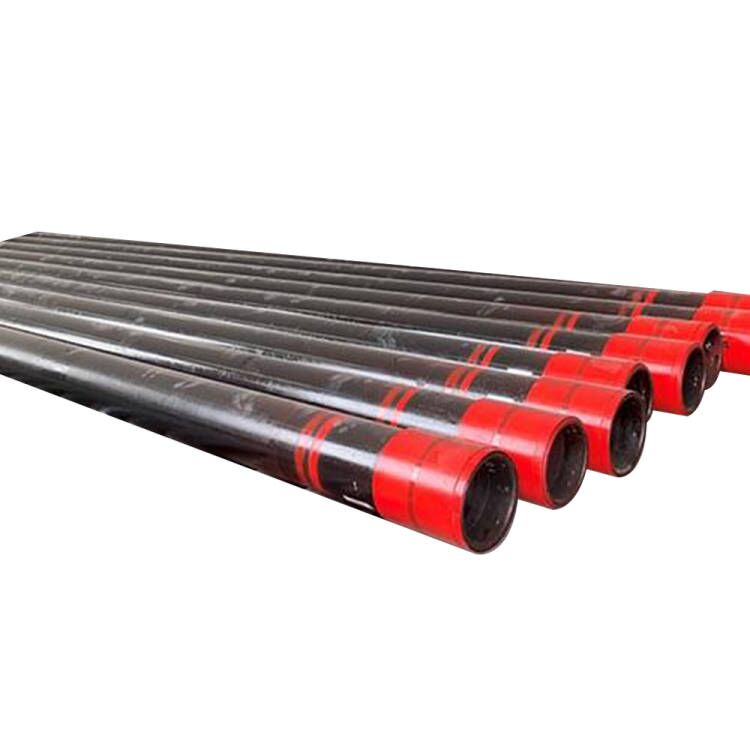
أنبوب فولاذي غير ملحوم
يتطلب تصميم وتركيب أغلفة آبار النفط دراسة متأنية لعوامل مختلفة، بما في ذلك عمق البئر وخصائص الخزان والظروف البيئية. يجب على المهندسين تقييم الخواص الميكانيكية لمواد التغليف، مثل قوة الخضوع وقوة الشد، للتأكد من قدرتها على تحمل الأحمال والضغوط المتوقعة التي تتم مواجهتها أثناء الحفر والإنتاج.
علاوة على ذلك، يجب أن يكون نظام التغليف قادرًا على تحمل القوى الخارجية، مثل حركات الأرض والتمدد الحراري، دون المساس بسلامتها الهيكلية. يعد التثبيت الصحيح للمساحة الحلقية بين الغلاف وجدار حفرة البئر أمرًا بالغ الأهمية لمنع هجرة السوائل والحفاظ على عزل المناطق.
في السنوات الأخيرة، أدت التطورات في علوم المواد وتكنولوجيا التصنيع إلى تطوير حلول غلاف مبتكرة، بما في ذلك المواد المركبة والسبائك المقاومة للتآكل. توفر هذه المواد أداءً محسنًا وطول العمر، مما يساهم في استدامة وكفاءة عمليات التنقيب عن النفط.
في الختام، تلعب الأنابيب والمواسير دورًا حيويًا في أغلفة آبار النفط، حيث توفر الدعم الهيكلي، وعزل السوائل، وقناة لاستخراج الهيدروكربون. يعد اختيار مواد التغليف المناسبة واعتبارات التصميم أمرًا بالغ الأهمية لضمان سلامة وكفاءة عمليات الحفر. مع استمرار تطور صناعة النفط والغاز، ستؤدي جهود البحث والتطوير المستمرة إلى دفع المزيد من الابتكار في تكنولوجيا التغليف، مما يتيح ممارسات استخراج أكثر أمانًا واستدامة.
At the heart of any drilling operation lies the need for a robust Casing system to maintain the integrity of the wellbore. Oil Well Casings, typically composed of Steel Pipes and tubes, provide structural support and prevent the collapse of the wellbore during drilling and production activities. These casings are subjected to extreme pressure, temperature, and corrosive environments, highlighting the importance of selecting Materials with exceptional strength and durability.
Steel emerges as the material of choice for Oil Well casings due to its remarkable mechanical properties and resistance to corrosion. However, not all steel Pipes are created equal. Manufacturers employ various techniques, such as heat treatment and alloying, to enhance the strength and Corrosion resistance of steel pipes, ensuring their suitability for the harsh conditions encountered in oil drilling operations.
One of the primary functions of oil well casings is to isolate different geological formations and prevent the mixing of fluids. This isolation is critical for maintaining well control and preventing contamination of the extracted oil. Proper casing design, including the selection of appropriate pipe sizes and grades, is essential to achieve effective isolation and ensure the long-term integrity of the well.
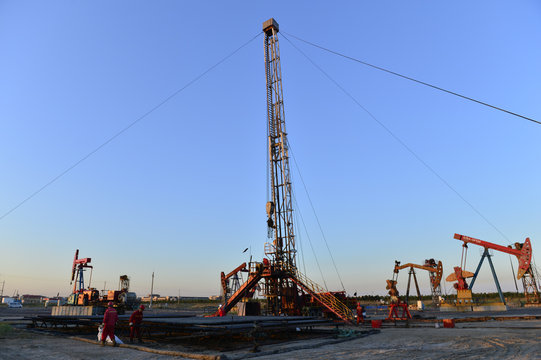
6 casingIn addition to providing structural support and fluid isolation, oil well casings serve as conduits for the extraction of oil and natural Gas. Once the drilling process reaches the desired depth, production Tubing is inserted into the wellbore, allowing for the extraction of hydrocarbons to the surface. The casing system provides a conduit for the passage of fluids while maintaining the integrity of the well.
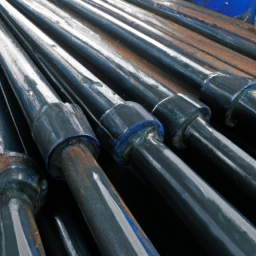
Seamless Steel Tube
The design and installation of oil well casings require careful consideration of various factors, including well depth, reservoir characteristics, and environmental conditions. Engineers must assess the mechanical properties of the casing materials, such as yield strength and tensile strength, to ensure they can withstand the anticipated loads and pressures encountered during drilling and production.
Furthermore, the casing system must be able to withstand external forces, such as earth movements and thermal expansion, without compromising its structural integrity. Proper Cementing of the annular space between the casing and the wellbore wall is crucial to prevent fluid migration and maintain zonal isolation.
In recent years, advancements in materials science and manufacturing technology have led to the development of innovative casing solutions, including composite materials and corrosion-resistant alloys. These materials offer enhanced performance and longevity, contributing to the sustainability and efficiency of oil drilling operations.
In conclusion, pipes and tubes play a vital role in oil well casings, providing structural support, fluid isolation, and conduit for hydrocarbon extraction. The selection of appropriate casing materials and design considerations are paramount to ensure the integrity and efficiency of drilling operations. As the Oil and Gas industry contiNues to evolve, ongoing research and development efforts will drive further innovation in casing technology, enabling safer and more sustainable extraction practices.