أهمية الغلاف في حفر آبار النفط والغاز
التحديات الشائعة التي تواجه حفر آبار النفط والغاز
يعد حفر آبار النفط والغاز وصيانتها عملية معقدة وحاسمة في استخراج النفط والغاز الطبيعي من باطن الأرض. وفي هذه العملية المعقدة، يلعب الحفر دورًا محوريًا، حيث يكون بمثابة المرحلة الأولية في رحلة استخراج هذه الموارد القيمة. من بين عدد لا يحصى من المهام التي ينطوي عليها الحفر، تبرز عملية التغليف وعملية تركيب الأنابيب الفولاذية في حفرة البئر كخطوة حاسمة. ومع ذلك، مثل أي مسعى صناعي، يمثل الحفر والتغليف العديد من التحديات التي يجب التعامل معها ببراعة لضمان الكفاءة والسلامة والنجاح.
أحد التحديات الأساسية التي تواجه حفر آبار النفط والغاز هو التعقيد الجيولوجي. يقدم كل موقع حفر تركيبة جيولوجية فريدة تتميز بالاختلافات في التكوينات الصخرية والضغوط ومحتوى السوائل. يتطلب التنقل عبر هذه التكوينات غير المتجانسة تخطيطًا دقيقًا وتنفيذًا دقيقًا لمنع المضاعفات مثل الأنابيب العالقة، أو فقدان الدورة الدموية، أو عدم استقرار حفرة البئر. يعتمد المهندسون والجيولوجيون على التكنولوجيا المتقدمة، بما في ذلك التصوير السيزمي وتسجيل الآبار، لجمع بيانات شاملة وصياغة استراتيجيات حفر فعالة مصممة خصيصًا للظروف الجيولوجية المحددة.
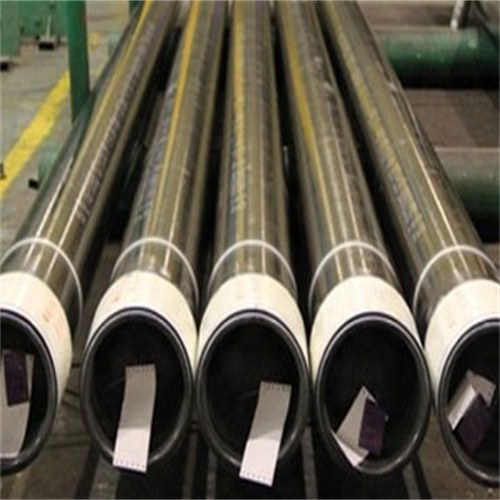
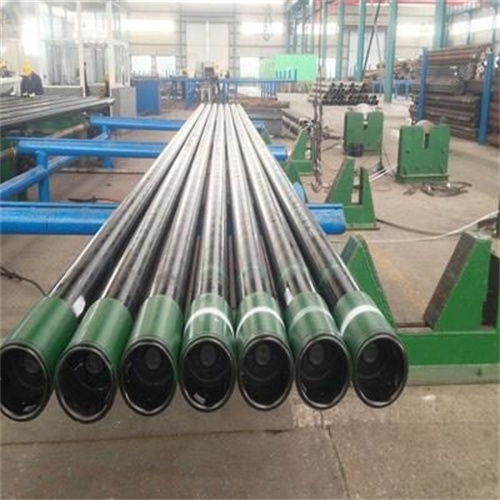
أنابيب آبار النفط بالإضافة إلى التعقيد الجيولوجي، غالبًا ما تواجه عمليات الحفر تحديات تتعلق بموثوقية المعدات والأداء. إن البيئة القاسية لمنصات الحفر، مع التعرض لدرجات الحرارة القصوى والضغوط العالية وسوائل الحفر الكاشطة، تضع ضغطًا كبيرًا على معدات الحفر. يمكن أن تؤدي الأعطال أو الأعطال الميكانيكية إلى تعطيل العمليات، مما يؤدي إلى توقفات وتأخيرات مكلفة. وللتخفيف من هذه المخاطر، يستثمر المشغلون في برامج قوية لصيانة المعدات ويستخدمون أنظمة مراقبة متقدمة لاكتشاف المشكلات المحتملة مبكرًا وتنفيذ التدخلات في الوقت المناسب.
علاوة على ذلك، تشكل الاعتبارات البيئية تحديات كبيرة في عمليات الحفر، خاصة في النظم البيئية الحساسة أو المناطق المكتظة بالسكان. يتطلب تقليل البصمة البيئية لأنشطة الحفر الالتزام بلوائح صارمة وتنفيذ أفضل الممارسات لإدارة النفايات والحفاظ على المياه والتحكم في الانبعاثات. تهدف الابتكارات في تقنيات الحفر، مثل أنظمة الحفر ذات الحلقة المغلقة وسوائل الحفر الصديقة للبيئة، إلى تقليل التأثير البيئي مع الحفاظ على الكفاءة التشغيلية.
تظل السلامة ذات أهمية قصوى في صناعة النفط والغاز، وعمليات الحفر خطرة بطبيعتها بسبب وجود الآلات الثقيلة والسوائل ذات الضغط العالي والغازات القابلة للاشتعال. يتطلب منع الحوادث وضمان رفاهية العمال بروتوكولات سلامة صارمة وتدريبًا شاملاً ويقظة مستمرة. بدءًا من إجراءات التحكم في الآبار وحتى معدات الحماية الشخصية، يجب أن يعطي كل جانب من جوانب عمليات الحفر الأولوية للسلامة للتخفيف من مخاطر الحوادث التي قد يكون لها عواقب كارثية.
علاوة على ذلك، غالبًا ما تنشأ تحديات لوجستية في مشاريع الحفر، خاصة في المواقع النائية أو البحرية ذات الوصول المحدود. إلى البنية التحتية والخدمات المساندة. يتطلب نقل المعدات والموظفين من وإلى موقع الحفر، وإدارة سلاسل التوريد، وتنسيق الأنشطة عبر العديد من أصحاب المصلحة تخطيطًا وتنسيقًا دقيقًا. تساعد أنظمة الإدارة اللوجستية المتقدمة والشراكات الإستراتيجية مع مقدمي الخدمات اللوجستية على تبسيط العمليات وتحسين تخصيص الموارد، مما يقلل التكاليف ويعزز الكفاءة.
على الرغم من هذه التحديات، تستمر التطورات في التكنولوجيا والممارسات التشغيلية في دفع التحسينات في كفاءة الحفر والسلامة والأداء البيئي. من أنظمة الحفر الآلية وتحليلات البيانات في الوقت الحقيقي إلى تقنيات الحفر المستدامة، تبتكر الصناعة باستمرار للتغلب على التحديات وتعظيم إنتاج احتياطيات النفط والغاز.
في الختام، يقدم حفر آبار النفط والغاز، وخاصة عملية التغليف، عدد لا يحصى من التحديات التي تتطلب الخبرة والابتكار والتخطيط الدقيق للتغلب عليها. بدءًا من التعقيد الجيولوجي وموثوقية المعدات وحتى الاعتبارات البيئية والمخاوف المتعلقة بالسلامة، فإن مواجهة هذه التحديات أمر ضروري لضمان نجاح واستدامة عمليات الحفر. ومن خلال تبني التقدم التكنولوجي، والالتزام بأفضل الممارسات، وإعطاء الأولوية للسلامة والإشراف البيئي، يمكن لصناعة النفط والغاز التغلب على هذه التحديات بفعالية والاستمرار في تلبية احتياجات العالم من الطاقة بمسؤولية.
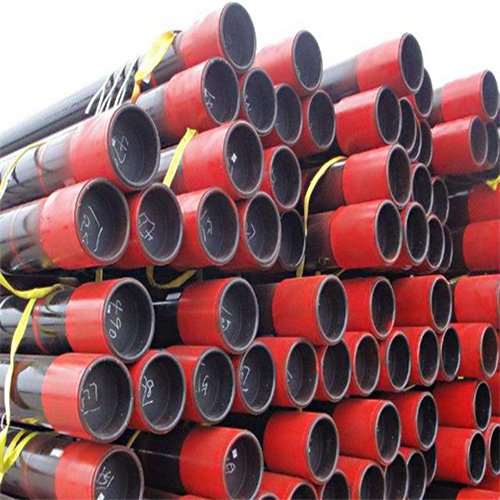
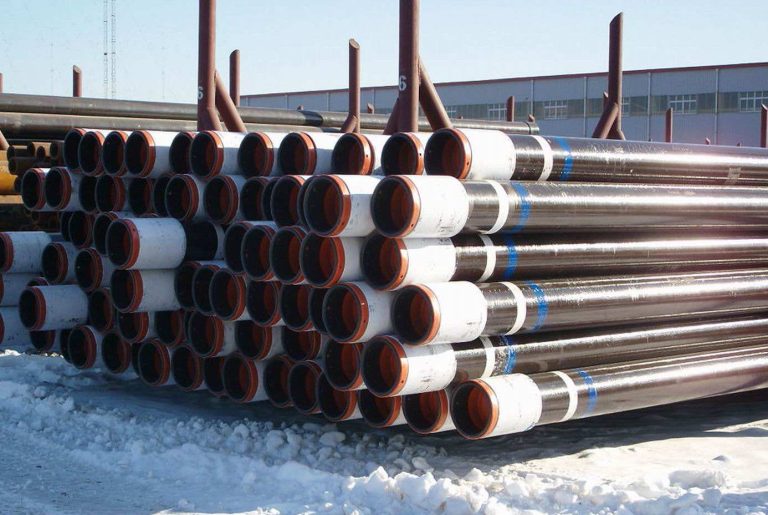
Oil and Gas well drilling and servicing is a complex and crucial process in the extraction of petroleum and natural gas from the Earth’s subsurface. Within this intricate operation, drilling plays a pivotal role, serving as the initial phase in the journey of extracting these valuable resources. Among the myriad of tasks involved in drilling, Casing, the process of installing Steel Pipe into the wellbore, stands out as a critical step. However, like any industrial endeavor, drilling and casing present numerous challenges that must be navigated adeptly to ensure efficiency, safety, and success.
One of the primary challenges encountered in drilling oil and gas wells is geological complexity. Each drilling site presents a unique geological makeup, characterized by variations in rock formations, pressures, and fluid content. Navigating through these heterogeneous formations demands meticulous planning and precise execution to prevent complications such as stuck pipe, lost circulation, or wellbore instability. Engineers and geologists rely on advanced technology, including seismic imaging and well logging, to gather comprehensive data and formulate effective drilling strategies tailored to the specific geological conditions.
Oil Well PipeIn addition to geological complexity, drilling operations often encounter challenges related to equipment reliability and performance. The harsh environment of Drilling Rigs, with exposure to extreme temperatures, high pressures, and abrasive drilling fluids, puts considerable strain on drilling equipment. Mechanical failures or malfunctions can disrupt operations, leading to costly downtime and delays. To mitigate these risks, operators invest in robust equipment Maintenance programs and employ advanced monitoring systems to detect potential issues early and implement timely interventions.
 Furthermore, environmental considerations pose significant challenges in drilling operations, particularly in sensitive ecosystems or densely populated areas. Minimizing the environmental footprint of drilling activities requires adherence to stringent regulations and the implementation of best practices for waste management, water conservation, and emissions control. innovations in drilling technologies, such as closed-loop drilling systems and eco-friendly drilling fluids, aim to reduce environmental impact while maintaining operational efficiency.
Safety remains paramount in the oil and gas industry, and drilling operations are inherently hazardous due to the presence of heavy machinery, high-pressure fluids, and flammable gases. Preventing accidents and ensuring the well-being of workers necessitates rigorous safety protocols, comprehensive training, and constant vigilance. From well control procedures to personal protective equipment, every aspect of drilling operations must prioritize safety to mitigate the risk of incidents that could have catastrophic consequences.
Moreover, logistical challenges often arise in drilling projects, especially in remote or offshore locations with limited access to infrastructure and support services. Transporting equipment and personnel to and from the drilling site, managing supply chains, and coordinating activities across multiple stakeholders demand meticulous planning and coordination. Advanced logistics management systems and strategic partnerships with logistics providers help streamline operations and optimize resource allocation, reducing costs and enhancing efficiency.
Despite these challenges, advancements in technology and operational practices contiNue to drive improvements in drilling efficiency, safety, and environmental performance. From automated drilling systems and real-time data analytics to sustainable drilling techniques, the industry is constantly innovating to overcome challenges and maximize the yield of oil and gas reserves.
In conclusion, drilling oil and gas wells, particularly the casing process, presents a myriad of challenges that require expertise, innovation, and meticulous planning to overcome. From geological complexity and equipment reliability to environmental considerations and safety concerns, addressing these challenges is essential to ensure the success and sustainability of drilling operations. By embracing technological advancements, adhering to best practices, and prioritizing safety and environmental stewardship, the oil and gas industry can navigate these challenges effectively and continue to meet the world’s energy needs responsibly.