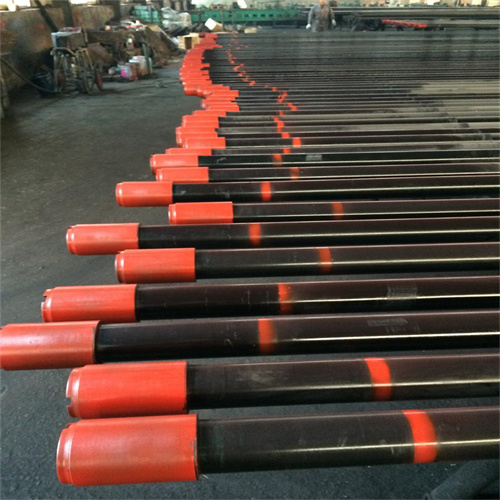
التقدم في تكنولوجيا مواد تغليف الزيت
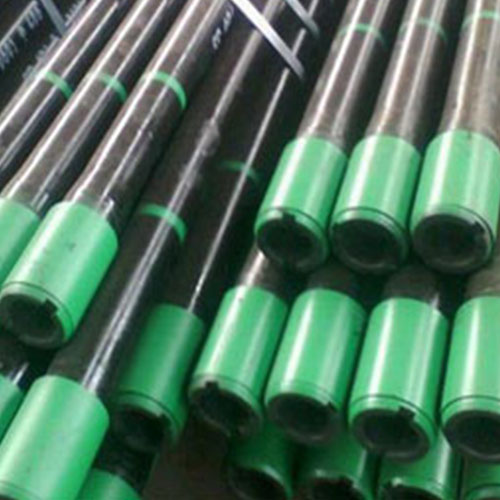
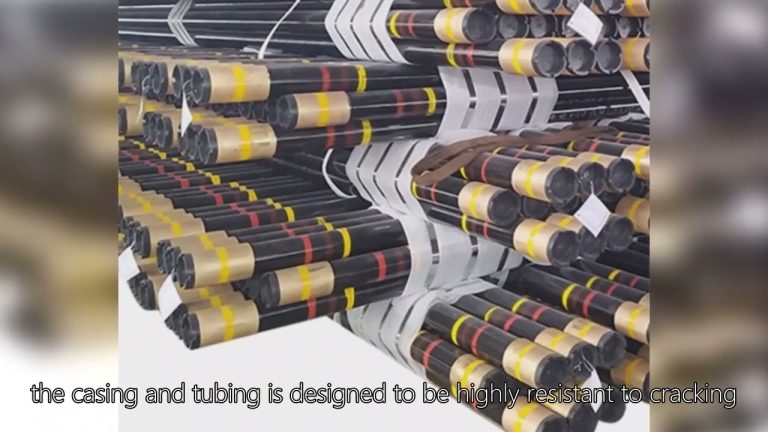
يعد غلاف النفط عنصرًا حاسمًا في صناعة النفط والغاز، حيث يعمل كحاجز وقائي لحفرة البئر ويضمن سلامة البئر. على مر السنين، حدثت تطورات كبيرة في تكنولوجيا مواد تغليف الزيت، مما أدى إلى تحسين الأداء والمتانة. أحد التطورات الرئيسية في هذا المجال هو الاتفاقية الفنية بين شركات النفط ومصنعي التغليف لتعزيز جودة وموثوقية مواد التغليف.

يتضمن الاتفاق الفني بين شركات النفط ومصنعي التغليف جهدًا تعاونيًا لوضع معايير ومواصفات لمواد التغليف. تحدد هذه الاتفاقية متطلبات مواد التغليف، بما في ذلك التركيب والخواص الميكانيكية وعمليات التصنيع. من خلال الالتزام بهذه المعايير، يمكن لكلا الطرفين التأكد من أن مواد التغليف تلبي معايير الأداء اللازمة ومناسبة للاستخدام في آبار النفط والغاز.
أحد التأثيرات الرئيسية للاتفاقية الفنية بشأن تكنولوجيا مواد تغليف النفط هو التحسين في جودة المواد. ومن خلال وضع معايير ومواصفات صارمة، تساعد الاتفاقية على ضمان أن تكون مواد التغليف ذات جودة عالية وتلبي متطلبات الأداء اللازمة. وهذا بدوره يؤدي إلى زيادة موثوقية ومتانة مواد التغليف، مما يقلل من مخاطر فشل حفرة البئر والإصلاحات المكلفة.
التأثير الآخر للاتفاقية الفنية هو تحسين أداء مواد التغليف. ومن خلال تحديد الخواص الميكانيكية وعمليات التصنيع لمواد التغليف، تساعد الاتفاقية على تحسين أداء المواد في ظروف الآبار المختلفة. وهذا يسمح باختيار مواد التغليف الأكثر ملاءمة لبيئات الآبار المحددة، مما يؤدي إلى تحسين سلامة حفرة البئر وطول عمرها.
بالإضافة إلى تحسين جودة المواد وأدائها، فإن الاتفاقية الفنية لها أيضًا تأثير إيجابي على الكفاءة والتكلفة الإجمالية -فعالية عمليات النفط والغاز. ومن خلال توحيد مواد التغليف وعمليات التصنيع، تساعد الاتفاقية على تبسيط سلسلة التوريد وتقليل المهل الزمنية لتسليم الغلاف. وهذا بدوره يساعد على تقليل وقت التوقف عن العمل وزيادة الكفاءة التشغيلية، مما يؤدي في النهاية إلى توفير التكاليف لشركات النفط.
وقد قوبلت الاتفاقية الفنية بين شركات النفط ومصنعي الأغلفة بردود فعل إيجابية من أصحاب المصلحة في الصناعة. وقد رحبت شركات النفط بالاتفاقية كوسيلة لضمان جودة وموثوقية مواد التغليف، في حين اغتنمت الشركات المصنعة للغلاف الفرصة للتعاون مع عملائها لتحسين أداء المنتج. وبشكل عام، يُنظر إلى الاتفاقية على أنها خطوة إيجابية نحو تعزيز سلامة وكفاءة عمليات النفط والغاز.
| لا. | المنتج |
| 1 | أنبوب سلس |
أثر الاتفاقيات الفنية على عمليات تصنيع أغلفة الزيت
استجابات شركات النفط لتطور معايير أغلفة النفط
الإمكانات
بشكل عام، كانت استجابات شركات النفط لتطور معايير أغلفة النفط إيجابية. ومن خلال الاستثمار في البحث والتطوير واعتماد التقنيات المتقدمة، تستطيع شركات النفط تحسين السلامة والكفاءة والأداء البيئي لعملياتها. وهذا لا يفيد الشركات نفسها فحسب، بل يفيد أيضًا صناعة النفط والغاز على نطاق أوسع والمجتمعات التي تعمل فيها.
في الختام، كان للتطورات في الاتفاقيات الفنية لغلاف النفط تأثير كبير على صناعة النفط والغاز. ومن خلال وضع معايير ومواصفات لمواد تغليف النفط وتصميمه، ساعدت هذه الاتفاقيات على تحسين السلامة والكفاءة والأداء البيئي في الصناعة. استجابت شركات النفط لهذه المعايير المتطورة من خلال الاستثمار في البحث والتطوير لتطوير تقنيات جديدة ومحسنة لتغليف النفط، مما يؤدي إلى تعزيز سلامة الآبار وتقليل التأثير البيئي. بشكل عام، كانت استجابات شركات النفط لتطور معايير أغلفة النفط إيجابية، مع فوائد لكل من الصناعة والبيئة.
The Oil and Gas industry is constantly evolving, with new technologies and standards being developed to improve efficiency and safety. One area that has seen significant progress in recent years is Oil Casing technology. Oil casing plays a crucial role in the drilling and production of Oil Wells, providing structural support and preventing the escape of oil and gas from the wellbore.
As oil Companies strive to improve their operations and meet regulatory requirements, they are increasingly turning to advanced oil casing technologies to enhance well integrity and performance. One of the key developments in this area is the adoption of technical agreements that set out the specifications and requirements for Oil casing Materials and design.
These technical agreements are typically developed by industry bodies and organizations, such as the American Petroleum Institute ( API) and the International Organization for Standardization (ISO). They provide a framework for oil companies to ensure that their oil casing meets the necessary standards and specifications, helping to improve safety and reliability in the oil and gas industry.
potential
The effects of these technical agreements on oil companies have been significant. By adhering to the standards set out in these agreements, oil companies can improve the quality and performance of their oil casing, reducing the risk of well failures and environmental damage. This, in turn, can lead to cost savings and increased efficiency in oil and gas production.
In response to these evolving standards, oil companies have been investing in research and development to develop new and improved oil casing technologies. This has led to the development of innovative materials and designs that offer enhanced performance and durability, helping to improve well integrity and reduce the risk of casing failures.
One of the key benefits of these advancements in oil casing technology is the ability to drill deeper and more complex wells. By using advanced materials and designs, oil companies can increase the depth and complexity of their wells, allowing them to access new reserves and maximize production.
In addition to improving well integrity and performance, these advancements in oil casing technology also have environmental benefits. By reducing the risk of casing failures and oil spills, oil companies can minimize their impact on the environment and comply with regulatory requirements.
Overall, the responses of oil companies to evolving oil casing standards have been positive. By investing in research and development and adopting advanced technologies, oil companies are able to improve the safety, efficiency, and environmental performance of their operations. This not only benefits the companies themselves but also the wider oil and gas industry and the communities in which they operate.
In conclusion, the progressions in oil casing technical agreements have had a significant impact on the oil and gas industry. By setting out standards and specifications for oil casing materials and design, these agreements have helped to improve safety, efficiency, and environmental performance in the industry. Oil companies have responded to these evolving standards by investing in research and development to develop new and improved oil casing technologies, leading to enhanced well integrity and reduced environmental impact. Overall, the responses of oil companies to evolving oil casing standards have been positive, with benefits for both the industry and the environment.