Advancements in Oil Casing Material Technology
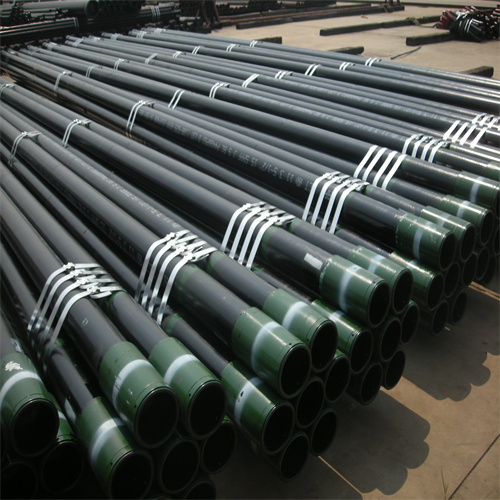
Oil casing is a critical component in the Oil and Gas industry, serving as a protective barrier for the wellbore and ensuring the integrity of the well. Over the years, there have been significant advancements in oil casing material technology, leading to improved performance and durability. One of the key developments in this field is the technical agreement between oil Companies and casing Manufacturers to enhance the quality and reliability of casing materials.
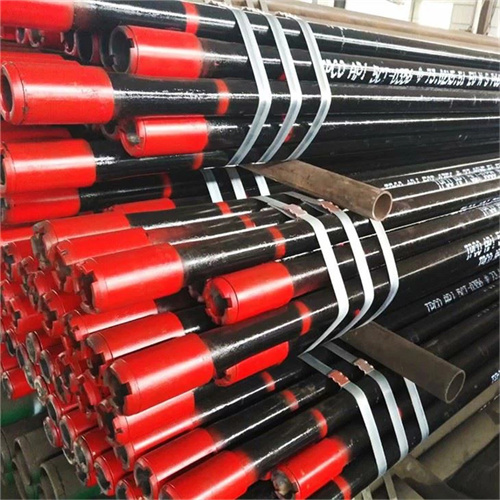
The technical agreement between oil companies and casing manufacturers involves a collaborative effort to establish standards and specifications for casing materials. This agreement outlines the requirements for casing materials, including the composition, mechanical properties, and manufacturing processes. By adhering to these standards, both parties can ensure that the casing materials meet the necessary performance criteria and are suitable for use in oil and gas wells.
One of the main effects of the technical agreement on oil casing material technology is the improvement in material quality. By establishing strict standards and specifications, the agreement helps to ensure that casing materials are of high quality and meet the necessary performance requirements. This, in turn, leads to increased reliability and durability of the casing materials, reducing the risk of wellbore failure and costly Repairs.
Another effect of the technical agreement is the enhancement of casing material performance. By specifying the mechanical properties and manufacturing processes for casing materials, the agreement helps to optimize the performance of the materials in different well conditions. This allows for the selection of casing materials that are best suited for specific well environments, leading to improved wellbore integrity and longevity.
In addition to improving material quality and performance, the technical agreement also has a positive impact on the overall efficiency and cost-effectiveness of oil and gas operations. By standardizing casing materials and manufacturing processes, the agreement helps to streamline the supply chain and reduce lead times for casing delivery. This, in turn, helps to minimize downtime and increase operational efficiency, ultimately leading to cost savings for oil companies.
The technical agreement between oil companies and casing manufacturers has been met with positive reactions from industry stakeholders. Oil companies have welcomed the agreement as a way to ensure the quality and reliability of casing materials, while casing manufacturers have embraced the opportunity to collaborate with their customers to improve product performance. Overall, the agreement has been seen as a positive step towards enhancing the safety and efficiency of oil and gas operations.
| No. | Product |
| 1 | seamless tube |
Looking ahead, it is clear that progressions in oil casing material technology will contiNue to play a crucial role in the oil and gas industry. By establishing technical agreements and standards for casing materials, oil companies and casing manufacturers can work together to develop innovative solutions that meet the evolving needs of the industry. This collaborative approach will help to drive further advancements in oil casing material technology, leading to safer, more efficient, and more cost-effective oil and gas operations.
Impact of Technical Agreements on Oil Casing Manufacturing Processes
The oil and gas industry is constantly evolving, with new technologies and innovations driving progress in the field. One area that has seen significant advancements in recent years is oil casing manufacturing processes. Technical agreements between companies have played a crucial role in sh APIng these progressions, with their effects and reactions being closely monitored by industry experts.
Technical agreements are formal agreements between companies that outline the terms and conditions of collaboration on a specific project or technology. In the oil and gas industry, these agreements often involve sharing knowledge, resources, and expertise to improve processes and drive innovation. When it comes to oil casing manufacturing, technical agreements have led to a number of key advancements that have had a significant impact on the industry as a whole.
One of the main effects of technical agreements on oil casing manufacturing processes is the development of new materials and manufacturing techniques. By pooling resources and expertise, companies are able to invest in research and development to create stronger, more durable casing materials that can withstand the harsh conditions of oil and gas wells. This has led to the introduction of advanced alloys and coatings that improve the performance and longevity of oil casing, ultimately reducing the need for costly repairs and replacements.
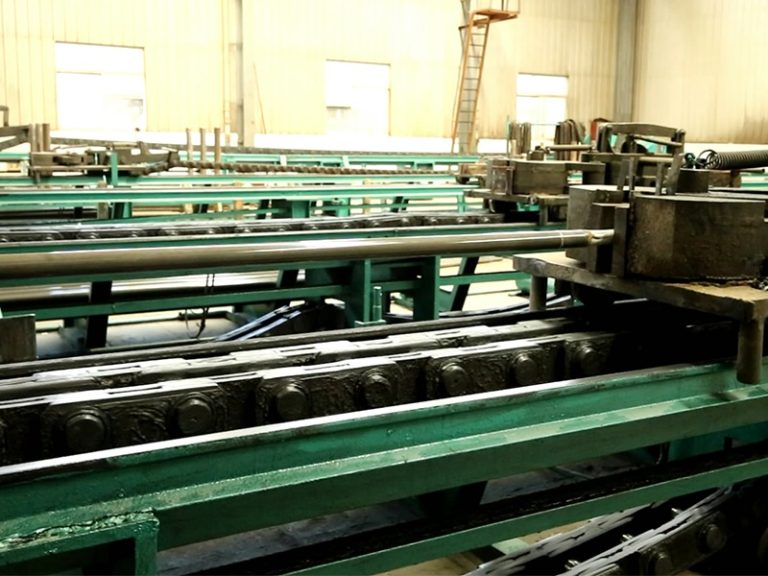
In addition to new materials, technical agreements have also driven progress in manufacturing techniques. Companies are constantly looking for ways to streamline production processes and reduce costs, and technical agreements have enabled them to collaborate on developing more efficient methods for manufacturing oil casing. This has led to the adoption of automated manufacturing systems, advanced welding techniques, and improved quality control measures that ensure the integrity of the casing throughout its lifecycle.
The reactions to these advancements in oil casing manufacturing have been largely positive, with industry experts praising the benefits of technical agreements in driving innovation and improving efficiency. By working together, companies are able to leverage their collective knowledge and resources to overcome technical challenges and push the boundaries of what is possible in oil casing manufacturing. This has not only led to improvements in the quality and performance of oil casing but has also helped to reduce costs and increase profitability for companies across the industry.
However, there have also been some challenges and criticisms associated with technical agreements in oil casing manufacturing. Some industry observers have raised concerns about the potential for intellectual property theft and the risk of companies becoming too dependent on their partners for critical technologies. Additionally, there have been instances where technical agreements have led to disputes over ownership of intellectual property or disagreements over the terms of collaboration.
Despite these challenges, the overall impact of technical agreements on oil casing manufacturing processes has been overwhelmingly positive. By fostering collaboration and driving innovation, these agreements have helped to propel the industry forward and ensure that companies remain competitive in a rapidly changing market. As technology continues to advance and new challenges emerge, technical agreements will continue to play a crucial role in shaping the future of oil casing manufacturing.
Responses of Oil Companies to Evolving Oil Casing Standards
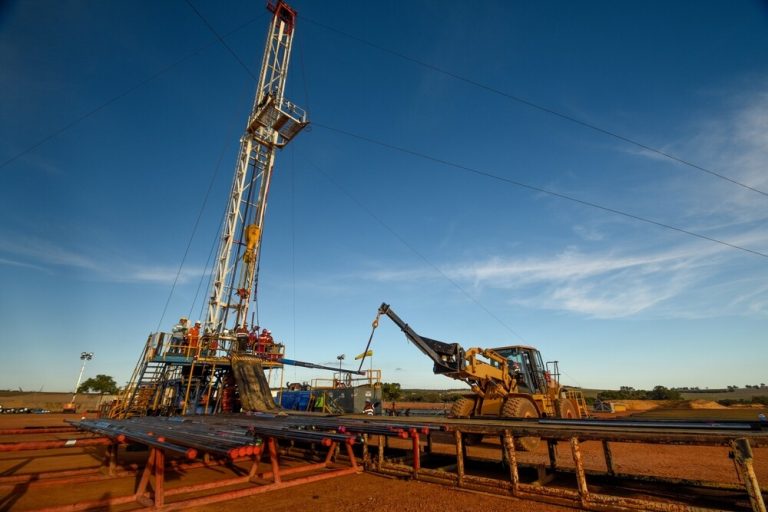
The oil and gas industry is constantly evolving, with new technologies and standards being developed to improve efficiency and safety. One area that has seen significant progress in recent years is oil casing technology. Oil casing plays a crucial role in the drilling and production of Oil Wells, providing structural support and preventing the escape of oil and gas from the wellbore.
As oil companies strive to improve their operations and meet regulatory requirements, they are increasingly turning to advanced oil casing technologies to enhance well integrity and performance. One of the key developments in this area is the adoption of technical agreements that set out the specifications and requirements for Oil casing materials and design.
These technical agreements are typically developed by industry bodies and organizations, such as the American Petroleum Institute (API) and the International Organization for Standardization (ISO). They provide a framework for oil companies to ensure that their oil casing meets the necessary standards and specifications, helping to improve safety and reliability in the oil and gas industry.
potential
The effects of these technical agreements on oil companies have been significant. By adhering to the standards set out in these agreements, oil companies can improve the quality and performance of their oil casing, reducing the risk of well failures and environmental damage. This, in turn, can lead to cost savings and increased efficiency in oil and gas production.
In response to these evolving standards, oil companies have been investing in research and development to develop new and improved oil casing technologies. This has led to the development of innovative materials and designs that offer enhanced performance and durability, helping to improve well integrity and reduce the risk of casing failures.
One of the key benefits of these advancements in oil casing technology is the ability to drill deeper and more complex wells. By using advanced materials and designs, oil companies can increase the depth and complexity of their wells, allowing them to access new reserves and maximize production.
In addition to improving well integrity and performance, these advancements in oil casing technology also have environmental benefits. By reducing the risk of casing failures and oil spills, oil companies can minimize their impact on the environment and comply with regulatory requirements.
Overall, the responses of oil companies to evolving oil casing standards have been positive. By investing in research and development and adopting advanced technologies, oil companies are able to improve the safety, efficiency, and environmental performance of their operations. This not only benefits the companies themselves but also the wider oil and gas industry and the communities in which they operate.
In conclusion, the progressions in oil casing technical agreements have had a significant impact on the oil and gas industry. By setting out standards and specifications for oil casing materials and design, these agreements have helped to improve safety, efficiency, and environmental performance in the industry. Oil companies have responded to these evolving standards by investing in research and development to develop new and improved oil casing technologies, leading to enhanced well integrity and reduced environmental impact. Overall, the responses of oil companies to evolving oil casing standards have been positive, with benefits for both the industry and the environment.