التقنيات الفعالة للكشف عن تسرب غلاف الزيت
دليل خطوة بخطوة لإصلاح تسرب غلاف الزيت
تصحيح مطمئن لمشاكل تسرب الغلاف مع غلاف الزيت
يمكن أن تشكل تسربات غلاف النفط تحديات كبيرة في صناعة النفط والغاز، مما يؤثر على كفاءة الإنتاج وسلامته. يعد تحديد هذه التسريبات وإصلاحها على الفور أمرًا بالغ الأهمية للحفاظ على السلامة التشغيلية ومنع الأضرار البيئية. يوفر هذا الدليل التفصيلي منهجًا شاملاً لمعالجة تسربات أغلفة الزيت بشكل فعال، مما يضمن الحد الأدنى من التعطيل والحد الأقصى من الكفاءة في عملية الإصلاح.
أولاً، يعد اكتشاف مصدر التسرب أمرًا بالغ الأهمية. يتم استخدام طرق مختلفة، مثل اختبار الضغط، والمسوحات الصوتية، والتصوير الحراري، لتحديد الموقع الدقيق للتسرب. تمكن هذه التقنيات المهندسين من تقييم مدى المشكلة بدقة قبل متابعة الإصلاحات.
بمجرد تحديد موقع التسرب، يبدأ التحضير للإصلاح. يتضمن ذلك تنظيف المنطقة المصابة جيدًا لإزالة أي ملوثات قد تتداخل مع عملية الإصلاح. يتم إعداد السطح بدقة، مما يضمن التصاق مادة الإصلاح بشكل آمن بسطح الهيكل لإصلاح دائم.
بعد ذلك، يعد تحديد طريقة الإصلاح المناسبة أمرًا بالغ الأهمية. اعتمادًا على شدة التسرب وموقعه، يمكن استخدام تقنيات مختلفة مثل المشابك الميكانيكية أو راتنجات الإيبوكسي أو اللحام. تتمتع كل طريقة بمزاياها واعتباراتها، حيث يقوم المهندسون بوزن العوامل بعناية مثل توافق المواد وإمكانية الوصول والظروف البيئية.
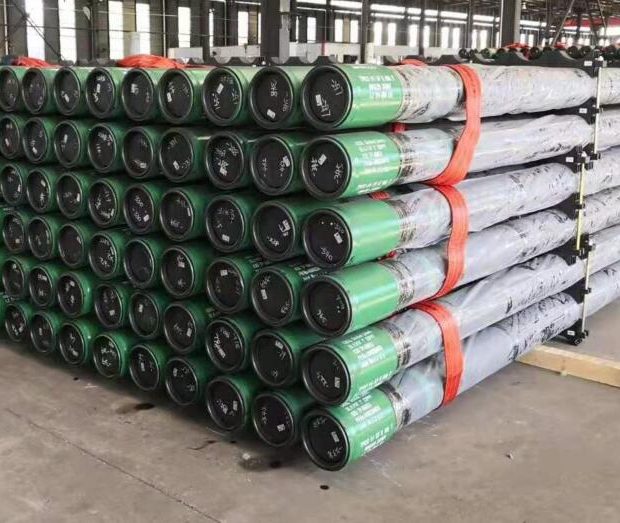
API 5ct l80-1 Casing أفضل شركة صينيةيتطلب تنفيذ طريقة الإصلاح المختارة الدقة والخبرة. يتبع المهندسون بروتوكولات صارمة لتطبيق مواد أو تقنيات الإصلاح بشكل فعال، مع الالتزام بمعايير الصناعة وأنظمة السلامة طوال العملية. تضمن إجراءات مراقبة الجودة، بما في ذلك عمليات الفحص والاختبار بعد الإصلاح، أن الإصلاح يلبي معايير الأداء الصارمة.
أهمية الصيانة الدورية لمنع مشاكل غلاف الزيت
في نهاية المطاف، لا يقتصر الطمأنينة التي توفرها الصيانة والتفتيش المنتظم على منع التسربات أو الامتثال للوائح فحسب؛ بل يتعلق الأمر بحماية مستقبل إنتاج النفط. من خلال إعطاء الأولوية لسلامة أغلفة النفط من خلال ممارسات الصيانة المنهجية، يمكن للشركات ضمان موثوقية وطول عمر أصولها مع الحفاظ على أعلى معايير السلامة والرعاية البيئية.
في الختام، تعد الإدارة الاستباقية لتسرب الغلاف من خلال الصيانة الدورية أمرًا ضروريًا التشغيل المستدام والفعال لآبار النفط. ومن خلال الاستثمار في التدابير الوقائية، يمكن للشركات تخفيف المخاطر وتعزيز الموثوقية التشغيلية وإظهار التزامها بالإدارة المسؤولة للموارد. ومع تطور الصناعة، فإن أهمية هذه الممارسات سوف تنمو، مما يعزز دورها في تأمين مستقبل إنتاج النفط في جميع أنحاء العالم.
Importance of Regular Maintenance to Prevent Oil Casing Issues
Oil casing plays a crucial role in the integrity and efficiency of Oil Wells, yet it is vulnerable to various issues over time. One significant concern is casing Leakage, which can lead to operational inefficiencies, environmental hazards, and costly Repairs if left unchecked. Addressing casing leakage requires a proactive approach through regular maintenance and inspection protocols.
Regular maintenance of oil casing is not merely a matter of compliance but a strategic necessity in ensuring the Smooth operation of oil wells. Casing leakage can occur due to multiple factors, including corrosion, mechanical damage, and operational stress. These issues can compromise the structural integrity of the casing, leading to leaks that may result in fluid loss, contamination of the surrounding environment, and even safety hazards.
To mitigate these risks, oil Companies employ rigorous maintenance schedules that include regular inspections and preventive measures. These inspections typically involve thorough visual assessments, Non-destructive testing techniques, and sometimes advanced monitoring technologies to detect early signs of casing degradation. By identifying potential issues early, operators can take corrective actions promptly, thereby minimizing the risk of extensive damage or failure.
Furthermore, preventive maintenance not only addresses existing problems but also helps extend the lifespan of oil casing. Protective coatings, corrosion inhibitors, and proper casing design are all critical elements in preventing leakage and maintaining the structural integrity of the casing over time. These measures not only enhance operational efficiency but also contribute to environmental stewardship by reducing the likelihood of leaks that could harm surrounding ecosystems.
In addition to proactive maintenance, regular inspections are crucial for compliance with regulatory standards. Regulatory bodies often mandate specific inspection intervals and requirements to ensure the safe and responsible operation of oil wells. Adhering to these standards not only mitigates legal risks but also demonstrates a commitment to environmental protection and community safety.
Investing in regular maintenance and inspections is a sound business practice that can yield substantial long-term benefits for oil companies. By avoiding unplanned downtime, minimizing environmental liabilities, and enhancing operational reliability, companies can optimize their production capabilities and maintain a competitive edge in the industry.
Moreover, the importance of regular maintenance extends beyond immediate operational concerns. It underscores a commitment to sustainable practices and responsible resource management. In a global context increasingly focused on environmental conservation and energy efficiency, proactive maintenance of oil casing aligns with broader industry trends towards sustainability and corporate social responsibility.

Ultimately, the reassurance provided by regular maintenance and inspections is not just about preventing leaks or complying with regulations; it is about safeguarding the future of oil production. By prioritizing the integrity of oil casing through systematic maintenance practices, companies can ensure the reliability and longevity of their assets while upholding the highest standards of safety and environmental stewardship.
In conclusion, the proactive management of casing leakage through regular maintenance is essential for the sustainable and efficient operation of oil wells. By investing in preventive measures, companies can mitigate risks, enhance operational reliability, and demonstrate their commitment to responsible resource management. As the industry evolves, the significance of these practices will only grow, reinforcing their role in securing the future of oil production worldwide.