অয়েল কেসিং লিকেজ সনাক্ত করার জন্য কার্যকর কৌশল
অপারেশনাল নিরাপত্তা, পরিবেশগত সুরক্ষা, এবং খরচ দক্ষতা নিশ্চিত করতে তেল ও গ্যাস শিল্পে তেল আবরণ ফুটো সনাক্ত করা এবং সংশোধন করা অত্যন্ত গুরুত্বপূর্ণ। তেলের আবরণ একটি প্রাথমিক বাধা হিসেবে কাজ করে, যা কূপ থেকে তরল ও গ্যাসকে পার্শ্ববর্তী পরিবেশে প্রবেশে বাধা দেয়। যখন ফুটো হয়, এটি পরিবেশগত দূষণ এবং সম্ভাব্য নিরাপত্তা ঝুঁকি সহ উল্লেখযোগ্য পরিণতির দিকে নিয়ে যেতে পারে। সবচেয়ে নির্ভরযোগ্য পদ্ধতিগুলির মধ্যে একটি হল উন্নত ডাউনহোল পর্যবেক্ষণ সরঞ্জামগুলির ব্যবহার। এই সরঞ্জামগুলি অত্যাধুনিক সেন্সর নিয়োগ করে যা আবরণের মধ্যে চাপ, তাপমাত্রা এবং তরল গঠনের সামান্য পরিবর্তনগুলি সনাক্ত করতে সক্ষম। এই পরামিতিগুলিকে ক্রমাগত নিরীক্ষণ করে, অপারেটররা সম্ভাব্য লিকগুলিকে প্রাথমিকভাবে সনাক্ত করতে পারে, বড় আকারের সমস্যার ঝুঁকি কমিয়ে দেয়। এর মধ্যে তেল বা গ্যাস নিঃসরণের লক্ষণগুলির জন্য কূপ এবং পার্শ্ববর্তী অঞ্চলগুলির নিয়মিত পরিদর্শন জড়িত। ভিজ্যুয়াল পরিদর্শন, ইনফ্রারেড ক্যামেরা এবং গ্যাস ডিটেক্টরগুলি সাধারণত পৃষ্ঠ পর্যবেক্ষণের জন্য ব্যবহৃত সরঞ্জাম। এই কৌশলগুলি অপারেটরদের ফাঁস সনাক্ত করতে সক্ষম করে যা অবিলম্বে স্পষ্ট নাও হতে পারে, পরিস্থিতি বাড়ার আগে তাত্ক্ষণিক হস্তক্ষেপ নিশ্চিত করে৷ চাপ পরীক্ষা, উদাহরণস্বরূপ, জল বা গ্যাস দিয়ে আবরণে চাপ দেওয়া এবং চাপের ড্রপের জন্য পর্যবেক্ষণ করা জড়িত, যা সম্ভাব্য ফুটো নির্দেশ করে। এই পদ্ধতিটি কেসিং অখণ্ডতার একটি পরিমাণগত মূল্যায়ন প্রদান করে এবং উপস্থিত যেকোন লিকের অবস্থান এবং তীব্রতা নির্ণয় করতে সাহায্য করে। অ্যাকোস্টিক সেন্সর, উদাহরণস্বরূপ, উচ্চ চাপের পরিবেশেও কেসিং-এর মধ্যে তরল বের হওয়ার শব্দ সনাক্ত করতে পারে। এই অ-অনুপ্রবেশকারী পদ্ধতিটি ক্রিয়াকলাপে বাধা না দিয়ে ক্রমাগত পর্যবেক্ষণের অনুমতি দেয়, নিরাপত্তা এবং দক্ষতা উভয়ই বৃদ্ধি করে। নিয়মিত পরিদর্শন এবং রক্ষণাবেক্ষণের রুটিনগুলি সম্ভাব্য দুর্বলতাগুলিকে আরও উল্লেখযোগ্য সমস্যায় পরিণত করার আগে চিহ্নিত করতে এবং মোকাবেলা করার জন্য অপরিহার্য। ক্ষয়-প্রতিরোধী উপকরণ এবং আবরণ প্রয়োগ করা, সেইসাথে যথাযথ কেসিং ইনস্টলেশন এবং সিমেন্টিং অনুশীলনগুলি নিশ্চিত করা, কূপের জীবনচক্রে ফুটো হওয়ার ঝুঁকি উল্লেখযোগ্যভাবে হ্রাস করতে পারে। তেল আবরণ অখণ্ডতা ব্যবস্থাপনা উন্নত করার পন্থা. ভবিষ্যদ্বাণীমূলক বিশ্লেষণ থেকে শুরু করে কৃত্রিম বুদ্ধিমত্তা-চালিত মনিটরিং সিস্টেম পর্যন্ত, শিল্পটি কেসিং লিকেজ ঝুঁকিকে পূর্বনির্ধারিতভাবে সনাক্ত করতে এবং প্রশমিত করতে ডেটা এবং প্রযুক্তির ক্রমবর্ধমান ব্যবহার করছে। তেল ও গ্যাস খাতে। উন্নত মনিটরিং প্রযুক্তি, কঠোর পরীক্ষার পদ্ধতি এবং সক্রিয় রক্ষণাবেক্ষণ কৌশলগুলির সংমিশ্রণ ব্যবহার করে, অপারেটররা কেসিং ব্যর্থতা এবং সংশ্লিষ্ট ঝুঁকির সম্ভাবনা কমিয়ে দিতে পারে। ক্রমাগত উদ্ভাবন এবং লিক সনাক্তকরণ এবং প্রতিরোধ প্রযুক্তিতে বিনিয়োগ শিল্পের কেসিং লিকেজ থেকে রক্ষা করার ক্ষমতাকে আরও শক্তিশালী করবে, আগামী বছরের জন্য টেকসই এবং দায়িত্বশীল শক্তি উৎপাদন নিশ্চিত করবে।
অয়েল কেসিং লিকস মেরামত করার জন্য ধাপে ধাপে নির্দেশিকা
মেরামত সম্পন্ন করার পরে, কেসিংয়ের অখণ্ডতা পর্যবেক্ষণ করা অপরিহার্য। পর্যায়ক্রমিক পরিদর্শন এবং পর্যবেক্ষণ প্রোগ্রামগুলি ফাঁসের সম্ভাব্য পুনরাবৃত্তি বা নতুন অখণ্ডতার সমস্যা অবিলম্বে সনাক্ত করার জন্য প্রতিষ্ঠিত হয়। এই সক্রিয় পদ্ধতি ঝুঁকি কমাতে সাহায্য করে এবং ক্রমাগত অপারেশনাল নির্ভরযোগ্যতা নিশ্চিত করে। মেরামতের পদ্ধতি, ব্যবহৃত উপকরণ, পরিদর্শনের ফলাফল এবং ফলো-আপ ক্রিয়া সহ বিশদ রেকর্ডগুলি মেরামতের ইতিহাসের একটি স্বচ্ছ অ্যাকাউন্ট প্রদান করে এবং ভবিষ্যতের রক্ষণাবেক্ষণ কৌশলগুলিকে অনুকূল করতে সহায়তা করে। মেয়াদ ফাঁসের মূল কারণগুলি বিশ্লেষণ করা, প্রতিরোধমূলক রক্ষণাবেক্ষণের পদক্ষেপগুলি বাস্তবায়ন করা এবং উন্নত প্রযুক্তির ব্যবহার কেসিংয়ের অখণ্ডতা বাড়ানো এবং ডাউনটাইম কমাতে অবদান রাখে। কঠোর পর্যবেক্ষণ। এই ধাপে ধাপে নির্দেশিকা অনুসরণ করে, অপারেটররা কার্যকরভাবে কেসিং লিকেজ সমস্যাগুলি পরিচালনা করতে পারে, তেল ও গ্যাস সেক্টরে অপারেশনাল স্থিতিস্থাপকতা এবং পরিবেশগত স্টুয়ার্ডশিপ নিশ্চিত করতে পারে। সক্রিয় রক্ষণাবেক্ষণ এবং সর্বোত্তম অনুশীলনের আনুগত্য সহ, শিল্প তেল আবরণ অপারেশনে নিরাপত্তা, দক্ষতা এবং স্থায়িত্বের উচ্চ মান বজায় রাখতে পারে।
তেল আবরণ সমস্যা প্রতিরোধের জন্য নিয়মিত রক্ষণাবেক্ষণের গুরুত্ব
অবশেষে, নিয়মিত রক্ষণাবেক্ষণ এবং পরিদর্শন দ্বারা প্রদত্ত আশ্বাস শুধুমাত্র ফাঁস প্রতিরোধ বা প্রবিধান মেনে চলার বিষয়ে নয়; এটি তেল উৎপাদনের ভবিষ্যত রক্ষা করার বিষয়ে। পদ্ধতিগত রক্ষণাবেক্ষণ অনুশীলনের মাধ্যমে তেল আবরণের অখণ্ডতাকে অগ্রাধিকার দিয়ে, কোম্পানিগুলি তাদের সম্পদের নির্ভরযোগ্যতা এবং দীর্ঘায়ু নিশ্চিত করতে পারে যখন নিরাপত্তা এবং পরিবেশগত স্টুয়ার্ডশিপের সর্বোচ্চ মান বজায় রাখে। তেল কূপগুলির টেকসই এবং দক্ষ অপারেশন। প্রতিরোধমূলক ব্যবস্থায় বিনিয়োগ করে, কোম্পানিগুলি ঝুঁকি কমাতে পারে, অপারেশনাল নির্ভরযোগ্যতা বাড়াতে পারে এবং দায়িত্বশীল সম্পদ ব্যবস্থাপনার প্রতি তাদের প্রতিশ্রুতি প্রদর্শন করতে পারে। শিল্পের বিকাশের সাথে সাথে, এই অনুশীলনগুলির তাত্পর্য কেবল বৃদ্ধি পাবে, বিশ্বব্যাপী তেল উৎপাদনের ভবিষ্যত সুরক্ষিত করতে তাদের ভূমিকাকে শক্তিশালী করবে।
Importance of Regular Maintenance to Prevent Oil Casing Issues
Oil casing plays a crucial role in the integrity and efficiency of Oil Wells, yet it is vulnerable to various issues over time. One significant concern is casing Leakage, which can lead to operational inefficiencies, environmental hazards, and costly Repairs if left unchecked. Addressing casing leakage requires a proactive approach through regular maintenance and inspection protocols.
Regular maintenance of oil casing is not merely a matter of compliance but a strategic necessity in ensuring the Smooth operation of oil wells. Casing leakage can occur due to multiple factors, including corrosion, mechanical damage, and operational stress. These issues can compromise the structural integrity of the casing, leading to leaks that may result in fluid loss, contamination of the surrounding environment, and even safety hazards.
To mitigate these risks, oil Companies employ rigorous maintenance schedules that include regular inspections and preventive measures. These inspections typically involve thorough visual assessments, Non-destructive testing techniques, and sometimes advanced monitoring technologies to detect early signs of casing degradation. By identifying potential issues early, operators can take corrective actions promptly, thereby minimizing the risk of extensive damage or failure.
Furthermore, preventive maintenance not only addresses existing problems but also helps extend the lifespan of oil casing. Protective coatings, corrosion inhibitors, and proper casing design are all critical elements in preventing leakage and maintaining the structural integrity of the casing over time. These measures not only enhance operational efficiency but also contribute to environmental stewardship by reducing the likelihood of leaks that could harm surrounding ecosystems.
In addition to proactive maintenance, regular inspections are crucial for compliance with regulatory standards. Regulatory bodies often mandate specific inspection intervals and requirements to ensure the safe and responsible operation of oil wells. Adhering to these standards not only mitigates legal risks but also demonstrates a commitment to environmental protection and community safety.
Investing in regular maintenance and inspections is a sound business practice that can yield substantial long-term benefits for oil companies. By avoiding unplanned downtime, minimizing environmental liabilities, and enhancing operational reliability, companies can optimize their production capabilities and maintain a competitive edge in the industry.
Moreover, the importance of regular maintenance extends beyond immediate operational concerns. It underscores a commitment to sustainable practices and responsible resource management. In a global context increasingly focused on environmental conservation and energy efficiency, proactive maintenance of oil casing aligns with broader industry trends towards sustainability and corporate social responsibility.
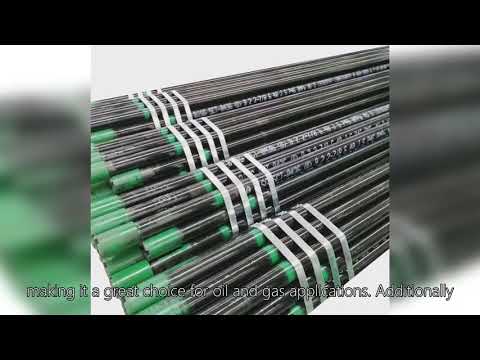
Ultimately, the reassurance provided by regular maintenance and inspections is not just about preventing leaks or complying with regulations; it is about safeguarding the future of oil production. By prioritizing the integrity of oil casing through systematic maintenance practices, companies can ensure the reliability and longevity of their assets while upholding the highest standards of safety and environmental stewardship.
In conclusion, the proactive management of casing leakage through regular maintenance is essential for the sustainable and efficient operation of oil wells. By investing in preventive measures, companies can mitigate risks, enhance operational reliability, and demonstrate their commitment to responsible resource management. As the industry evolves, the significance of these practices will only grow, reinforcing their role in securing the future of oil production worldwide.