تقنيات تحديد موقع المواد الثمينة في أغلفة النفط
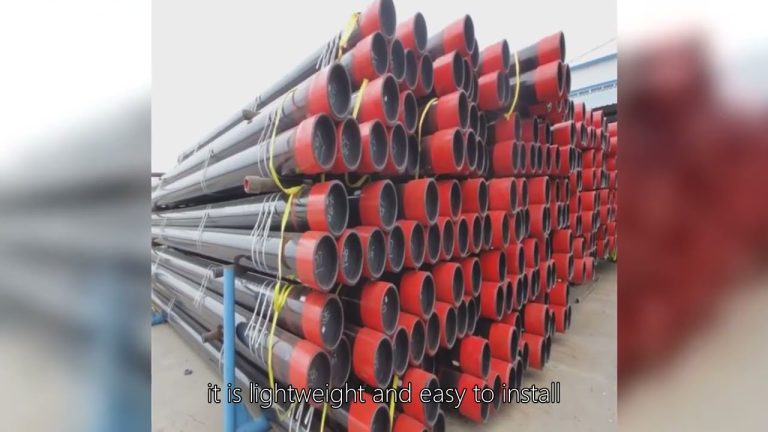
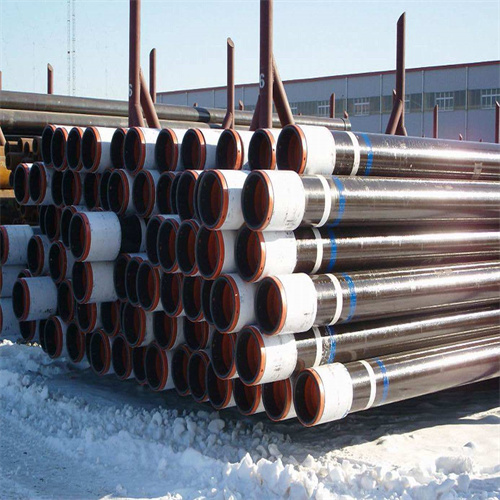
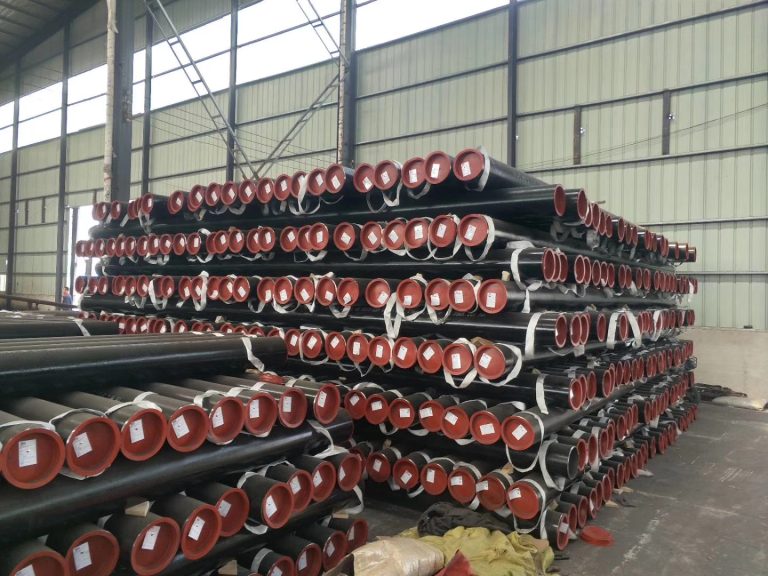
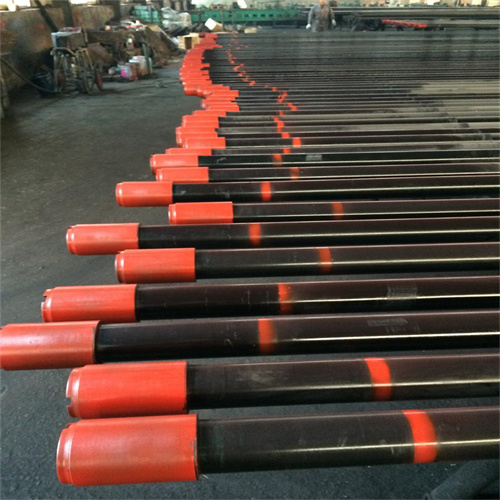
إن البحث عن المواد الثمينة داخل أغلفة النفط هو مسعى معقد ومتعدد الأوجه يتطلب مزيجًا من التقنيات المتقدمة وفهمًا شاملاً للتكوينات الجيولوجية. يمكن أن يحتوي غلاف النفط، وهو الأنبوب الفولاذي المستخدم لبطانة بئر بئر النفط، في بعض الأحيان على معادن ثمينة ذات أهمية كبيرة لصناعات التعدين واستخراج الموارد. لتحديد موقع هذه المواد الثمينة بشكل فعال، يتم استخدام طرق مختلفة، ولكل منها مجموعة من المزايا والتحديات الخاصة بها.
أفضل صانعي محرك الأقراص الصينيين
الأثر البيئي لاستخلاص المواد الثمينة من أغلفة النفط
حظي استخراج المواد الثمينة من أغلفة النفط باهتمام كبير في السنوات الأخيرة، خاصة في ظل الطلب المتزايد على هذه الموارد في مختلف الصناعات. مع اعتماد العالم بشكل متزايد على التكنولوجيا وحلول الطاقة المتجددة، زادت الحاجة إلى مواد مثل العناصر الأرضية النادرة والذهب والفضة. ومع ذلك، لا يمكن إغفال التأثير البيئي لاستخراج هذه المواد من غلاف النفط. غالبًا ما تتضمن العملية أساليب معقدة يمكن أن تؤدي إلى تأثيرات ضارة على النظم البيئية والمجتمعات المحلية.
في البداية، تتطلب عملية الاستخراج عادةً عمليات حفر وحفر واسعة النطاق، مما قد يؤدي إلى تعطيل المناظر الطبيعية. ولا يؤدي هذا الاضطراب إلى تغيير البيئة المادية فحسب، بل يؤثر أيضًا على النباتات والحيوانات التي تعيش في هذه المناطق. ومع تدمير الموائل الطبيعية أو تجزئة الحياة البرية، تضطر الحياة البرية إلى التكيف مع الظروف الجديدة أو مواجهة خطر الانقراض. علاوة على ذلك، يمكن أن تؤدي إزالة الغطاء النباتي إلى تآكل التربة، مما يؤثر بدوره على جودة المياه في الأنهار والجداول القريبة. يمكن أن يؤدي الترسيب الناتج عن التآكل إلى خنق الموائل المائية، مما يؤدي إلى انخفاض أعداد الأسماك والحياة المائية الأخرى.
بالإضافة إلى تدمير الموائل، غالبًا ما يتضمن استخراج المواد الثمينة من أغلفة النفط استخدام مواد كيميائية خطرة. تُستخدم هذه المواد الكيميائية لفصل المواد القيمة عن الصخور والرواسب المحيطة. ولسوء الحظ، فإن استخدام مثل هذه المواد يشكل خطرا كبيرا على البيئة وصحة الإنسان. يمكن أن تؤدي الانسكابات والتسربات إلى تلويث التربة والمياه الجوفية، مما يؤدي إلى أضرار بيئية طويلة المدى. قد تجد المجتمعات التي تعتمد على مصادر المياه هذه للشرب والري نفسها تواجه مخاطر صحية خطيرة، فضلاً عن تحديات اقتصادية بسبب فقدان الإنتاجية الزراعية.
علاوة على ذلك، تساهم طبيعة عملية الاستخراج كثيفة الاستهلاك للطاقة في انبعاثات الغازات الدفيئة ، مما يزيد من تفاقم تغير المناخ. ويضيف حرق الوقود الأحفوري لتشغيل الآلات ومواد النقل إلى البصمة الكربونية للعملية. مع ارتفاع درجات الحرارة العالمية وتزايد عدم انتظام أنماط الطقس، فإن العواقب المترتبة على تغير المناخ يمكن أن تخلف تأثيرات بعيدة المدى على النظم البيئية والمجتمعات البشرية على حد سواء. إن التفاعل بين استخراج الموارد وتغير المناخ يسلط الضوء على الحاجة الملحة إلى ممارسات مستدامة في الصناعة.
يعد الانتقال إلى طرق استخراج أكثر استدامة أمرًا ضروريًا للتخفيف من هذه الآثار البيئية. يمكن أن تساعد الابتكارات في مجال التكنولوجيا، مثل تطوير تقنيات الاستخراج الأقل تدخلاً واستخدام المواد الكيميائية القابلة للتحلل، في تقليل البصمة البيئية لاستخراج المواد الثمينة. بالإضافة إلى ذلك، فإن تنفيذ لوائح أكثر صرامة وممارسات المراقبة يمكن أن يضمن مساءلة الشركات عن ممارساتها البيئية. من خلال إعطاء الأولوية للاستدامة، يمكن للصناعة العمل على تقليل تأثيرها على الكوكب مع الاستمرار في تلبية الطلب المتزايد على المواد الثمينة.
في الختام، في حين أن استخراج المواد الثمينة من أغلفة النفط يوفر فرصًا للنمو الاقتصادي والتقدم التكنولوجي، إلا أنه من المهم ومن الأهمية بمكان النظر في العواقب البيئية لهذه الأنشطة. إن تعطيل النظم البيئية، واستخدام المواد الكيميائية الخطرة، والمساهمة في تغير المناخ هي قضايا مهمة يجب معالجتها. ومن خلال تبني ممارسات أكثر استدامة وإعطاء الأولوية للإشراف البيئي، يمكن للصناعة أن تسعى جاهدة لتحقيق التوازن بين الحاجة إلى الموارد وضرورة حماية كوكبنا للأجيال القادمة. يتطلب الطريق إلى الأمام التعاون بين أصحاب المصلحة، بما في ذلك الحكومات والشركات والمجتمعات المحلية، لضمان أن يتم استخراج المواد الثمينة بشكل مسؤول ومع احترام البيئة.
The extraction of precious Materials from Oil Casing has garnered significant attention in recent years, particularly in light of the growing demand for these resources in various industries. As the world increasingly relies on technology and renewable energy solutions, the need for materials such as rare earth elements, gold, and Silver has surged. However, the environmental impact of extracting these materials from oil casing cannot be overlooked. The process often involves complex methods that can lead to detrimental effects on ecosystems and local communities.
To begin with, the extraction process typically requires extensive drilling and excavation, which can disrupt the natural landscape. This disruption not only alters the physical environment but also affects the flora and fauna that inhabit these areas. As habitats are destroyed or fragmented, wildlife is forced to adapt to new conditions or face the risk of extinction. Furthermore, the removal of vegetation can lead to soil erosion, which in turn affects water quality in nearby rivers and streams. The sedimentation caused by erosion can smother aquatic habitats, leading to a decline in fish populations and other aquatic life.
In addition to habitat destruction, the extraction of precious materials from oil casing often involves the use of hazardous chemicals. These chemicals are employed to separate valuable materials from the surrounding rock and sediment. Unfortunately, the use of such substances poses a significant risk to both the environment and human health. Spills and leaks can contaminate soil and groundwater, leading to long-term ecological damage. Communities that rely on these water sources for drinking and irrigation may find themselves facing serious health risks, as well as economic challenges due to the loss of agricultural productivity.
Moreover, the energy-intensive nature of the extraction process contributes to greenhouse Gas emissions, further exacerbating climate change. The burning of fossil fuels to power machinery and transport materials adds to the carbon footprint of the operation. As global temperatures rise and weather patterns become increasingly erratic, the consequences of climate change can have far-reaching effects on ecosystems and human societies alike. The interplay between resource extraction and climate change highlights the urgent need for sustainable practices in the industry.
Transitioning to more sustainable methods of extraction is essential to mitigate these environmental impacts. innovations in technology, such as the development of less invasive extraction techniques and the use of biodegradable chemicals, can help reduce the ecological footprint of precious material extraction. Additionally, implementing stricter regulations and monitoring practices can ensure that Companies are held accountable for their environmental practices. By prioritizing sustainability, the industry can work towards minimizing its impact on the planet while still meeting the growing demand for precious materials.
In conclusion, while the extraction of precious materials from oil casing presents opportunities for economic growth and technological advancement, it is crucial to consider the environmental consequences of these activities. The disruption of ecosystems, the use of hazardous chemicals, and the contribution to climate change are significant issues that must be addressed. By adopting more sustainable practices and prioritizing environmental stewardship, the industry can strive to balance the need for resources with the imperative to protect our planet for future generations. The path forward requires collaboration among stakeholders, including governments, businesses, and local communities, to ensure that the extraction of precious materials is conducted responsibly and with respect for the environment.