Techniques for Locating Precious Materials in Oil Casing
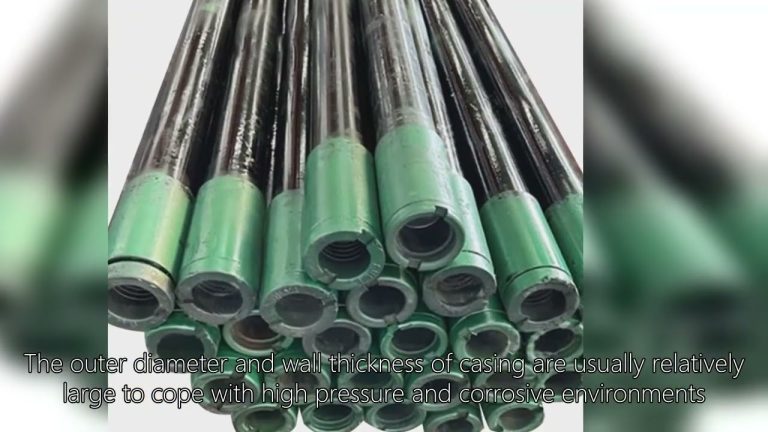
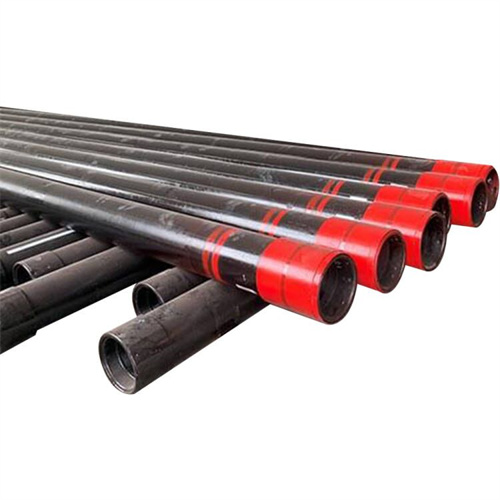
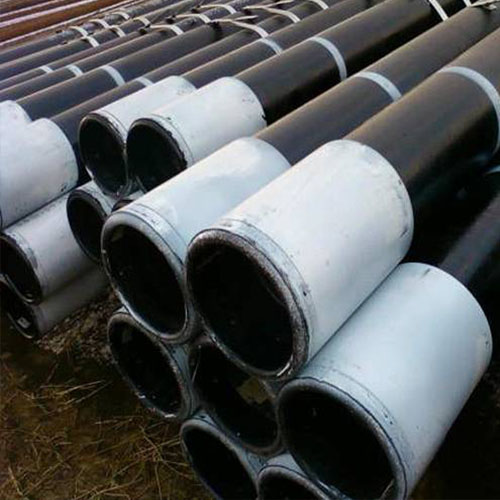
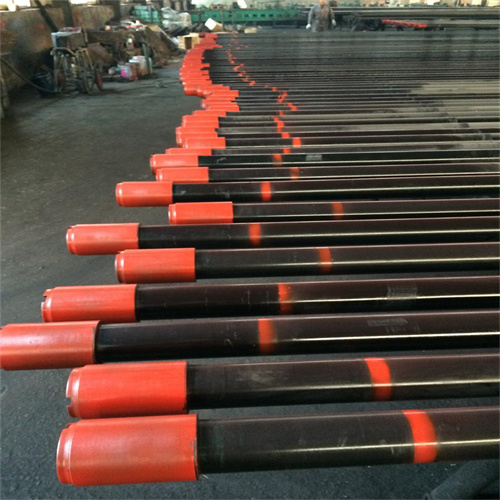
The search for precious materials within oil casing is a complex and multifaceted endeavor that requires a combination of advanced techniques and a thorough understanding of geological formations. Oil casing, which is the Steel Pipe used to line the borehole of an Oil Well, can sometimes contain valuable minerals and metals that are of significant interest to mining and resource extraction industries. To effectively locate these precious materials, various methods are employed, each with its own set of advantages and challenges.
One of the primary techniques used in this search is geophysical surveying. This method involves the use of sophisticated instruments to measure the physical properties of the earth’s subsurface. By analyzing variations in magnetic fields, electrical resistivity, and seismic waves, geophysicists can create detailed maps of the geological structures surrounding oil casings. These maps help identify potential areas where precious materials may be concentrated, guiding further exploration efforts. Additionally, advancements in technology have led to the development of more sensitive and accurate instruments, allowing for a more precise assessment of subsurface conditions.
In conjunction with geophysical surveying, drilling techniques play a crucial role in the search for precious materials. Core drilling, for instance, involves extracting cylindrical samples of rock from the earth. This method provides valuable information about the mineral composition and structure of the surrounding geology. By analyzing these core samples, geologists can determine the presence of precious materials and assess their economic viability. Furthermore, the use of advanced drilling technologies, such as rotary drilling and directional drilling, has enhanced the efficiency and effectiveness of the exploration process, enabling access to previously unreachable areas.
drivepipe chinese Best Makers
Another important aspect of locating precious materials in oil casing is the application of chemical analysis. Once samples are obtained through drilling, they undergo rigorous testing to identify the presence of specific minerals and metals. Techniques such as X-ray fluorescence (XRF) and inductively coupled plasma mass spectrometry (ICP-MS) are commonly employed to provide detailed elemental analysis. These methods allow for the detection of trace amounts of precious materials, which may not be visible through traditional geological assessments. By combining chemical analysis with geological and geophysical data, researchers can develop a comprehensive understanding of the potential for resource extraction.
Moreover, the integration of data from various sources is essential for successful exploration. Geographic Information Systems (GIS) have become invaluable tools in this regard, as they allow for the visualization and analysis of spatial data. By overlaying geological maps, drilling data, and geophysical survey results, geologists can identify patterns and correlations that may indicate the presence of precious materials. This holistic approach not only enhances the accuracy of predictions but also optimizes resource allocation during exploration efforts.
In conclusion, the search for precious materials in oil casing involves a combination of geophysical surveying, advanced drilling techniques, chemical analysis, and data integration. Each of these methods contributes to a more comprehensive understanding of the subsurface environment, ultimately guiding exploration efforts toward areas with the highest potential for resource extraction. As technology contiNues to advance, the techniques employed in this field will likely become even more refined, leading to more efficient and effective searches for valuable materials hidden within oil casing. The ongoing pursuit of these resources underscores the importance of innovation and collaboration in the ever-evolving landscape of resource exploration.
Environmental Impact of Extracting Precious Materials from Oil Casing
The extraction of precious materials from oil casing has garnered significant attention in recent years, particularly in light of the growing demand for these resources in various industries. As the world increasingly relies on technology and renewable energy solutions, the need for materials such as rare earth elements, gold, and Silver has surged. However, the environmental impact of extracting these materials from oil casing cannot be overlooked. The process often involves complex methods that can lead to detrimental effects on ecosystems and local communities.
To begin with, the extraction process typically requires extensive drilling and excavation, which can disrupt the natural landscape. This disruption not only alters the physical environment but also affects the flora and fauna that inhabit these areas. As habitats are destroyed or fragmented, wildlife is forced to adapt to new conditions or face the risk of extinction. Furthermore, the removal of vegetation can lead to soil erosion, which in turn affects water quality in nearby rivers and streams. The sedimentation caused by erosion can smother aquatic habitats, leading to a decline in fish populations and other aquatic life.
In addition to habitat destruction, the extraction of precious materials from oil casing often involves the use of hazardous chemicals. These chemicals are employed to separate valuable materials from the surrounding rock and sediment. Unfortunately, the use of such substances poses a significant risk to both the environment and human health. Spills and leaks can contaminate soil and groundwater, leading to long-term ecological damage. Communities that rely on these water sources for drinking and irrigation may find themselves facing serious health risks, as well as economic challenges due to the loss of agricultural productivity.
Moreover, the energy-intensive nature of the extraction process contributes to greenhouse Gas emissions, further exacerbating climate change. The burning of fossil fuels to power machinery and transport materials adds to the carbon footprint of the operation. As global temperatures rise and weather patterns become increasingly erratic, the consequences of climate change can have far-reaching effects on ecosystems and human societies alike. The interplay between resource extraction and climate change highlights the urgent need for sustainable practices in the industry.
Transitioning to more sustainable methods of extraction is essential to mitigate these environmental impacts. Innovations in technology, such as the development of less invasive extraction techniques and the use of biodegradable chemicals, can help reduce the ecological footprint of precious material extraction. Additionally, implementing stricter regulations and monitoring practices can ensure that Companies are held accountable for their environmental practices. By prioritizing sustainability, the industry can work towards minimizing its impact on the planet while still meeting the growing demand for precious materials.
In conclusion, while the extraction of precious materials from oil casing presents opportunities for economic growth and technological advancement, it is crucial to consider the environmental consequences of these activities. The disruption of ecosystems, the use of hazardous chemicals, and the contribution to climate change are significant issues that must be addressed. By adopting more sustainable practices and prioritizing environmental stewardship, the industry can strive to balance the need for resources with the imperative to protect our planet for future generations. The path forward requires collaboration among stakeholders, including governments, businesses, and local communities, to ensure that the extraction of precious materials is conducted responsibly and with respect for the environment.