نتائج التحولات في العالم الفني لأغلفة النفط
شهد العالم التقني بغلاف النفط تحولات كبيرة في السنوات الأخيرة، مما أدى إلى نتائج مختلفة شكلت المشهد الصناعي. إحدى النتائج الرئيسية لهذه التحولات هي زيادة الطلب على مواد التغليف الأكثر تقدمًا والمتانة. نظرًا لأن عمليات الحفر أصبحت أكثر تعقيدًا وتحديًا، فهناك حاجة متزايدة للأغلفة التي يمكنها تحمل الضغوط العالية ودرجات الحرارة والبيئات المسببة للتآكل. وقد دفع هذا الشركات المصنعة إلى تطوير سبائك وطلاءات جديدة توفر أداءً محسنًا وطول العمر.
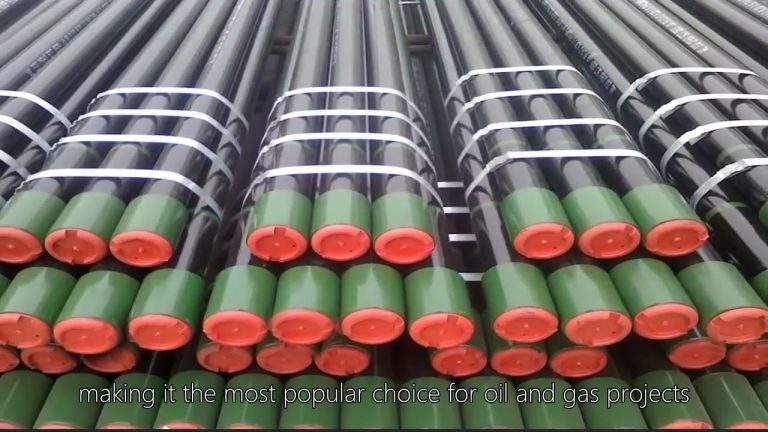
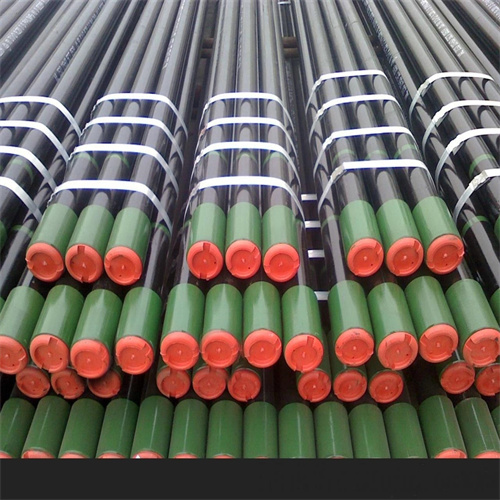
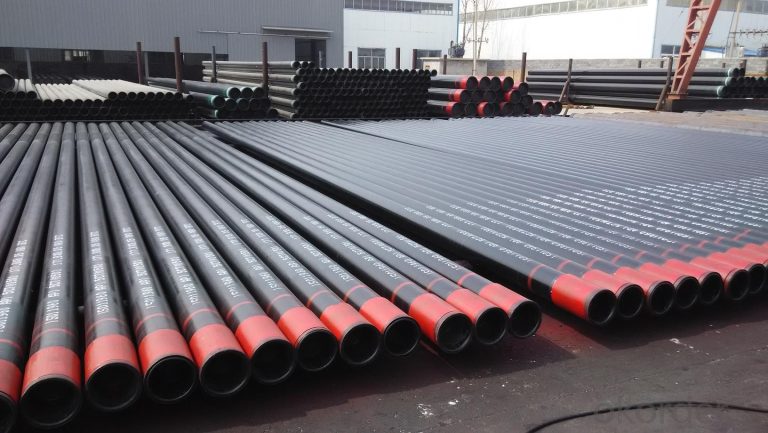
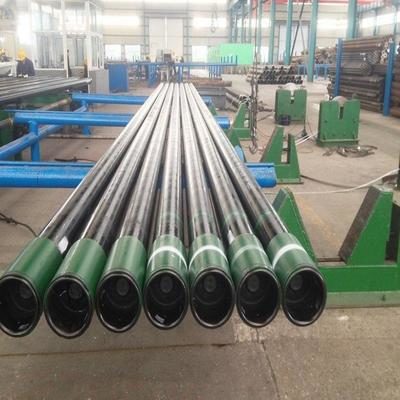
API 5ct N80-1 Casing أفضل الموردين الصينيين
التدابير المضادة للتحولات في العالم التقني لأغلفة النفط
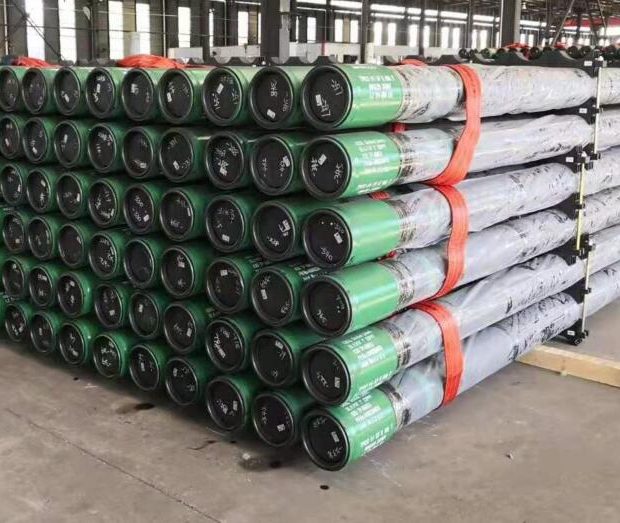
استجابة لهذه النتائج، نفذ اللاعبون في الصناعة مجموعة من الإجراءات المضادة لمواجهة التحديات التي يفرضها العالم التقني المتغير لغلاف النفط. أحد هذه الإجراءات المضادة هو اعتماد التقنيات الرقمية لتحسين تصميم الغلاف وعمليات التثبيت. من خلال الاستفادة من تحليلات البيانات وأدوات المحاكاة والأتمتة، يمكن للشركات تعزيز كفاءة ودقة عمليات التغليف مع تقليل التكاليف والمخاطر البيئية.
علاوة على ذلك، أصبح التعاون وتبادل المعرفة من الاستراتيجيات الأساسية للتغلب على تعقيدات مشهد غلاف النفط الحديث. . وقد برزت الشراكات الصناعية، واتحادات البحوث، ومنصات تبادل المعلومات كآليات قيمة لتجميع الخبرات، وتعزيز الابتكار، ومعالجة التحديات المشتركة بشكل جماعي. من خلال العمل معًا، يمكن لأصحاب المصلحة تسريع وتيرة التطور التكنولوجي وضمان استدامة قطاع تغليف النفط.
علاوة على ذلك، أصبح الامتثال التنظيمي وإدارة المخاطر نقاط محورية حاسمة للشركات العاملة في البيئة التقنية المتطورة لغلاف النفط. في ظل اللوائح الأكثر صرامة التي تحكم تصميم الغلاف وتركيبه وإيقاف التشغيل، يجب على الشركات مواكبة المتطلبات المتغيرة وتنفيذ استراتيجيات قوية لتخفيف المخاطر لتجنب العقوبات المكلفة والإضرار بالسمعة.
في الختام، أحدثت التحولات في العالم الفني لأغلفة النفط سلسلة من النتائج التي تتطلب اتخاذ تدابير مضادة استباقية واستراتيجية من المشاركين في الصناعة. ومن خلال تبني الابتكار والاستدامة والتعاون والامتثال، يمكن للشركات التغلب على التحديات التي تفرضها هذه التحولات ووضع نفسها لتحقيق النجاح على المدى الطويل في مشهد الصناعة سريع التغير.
Countermeasures for Shifts in Oil Casing technical Universe
The oil casing technical universe has experienced significant shifts in recent years, leading to various outcomes that have prompted the need for strategic countermeasures. These shifts have been driven by a combination of technological advancements, market dynamics, and environmental considerations. As a result, stakeholders in the Oil and Gas industry have had to adapt to these changes to ensure operational efficiency and sustainability.
One of the key outcomes of these shifts is the increased complexity of oil casing designs. With the need to access reserves in more challenging environments, such as deepwater or unconventional reservoirs, oil Companies have had to develop casing solutions that can withstand higher pressures, temperatures, and corrosive conditions. This has required the use of advanced Materials and manufacturing techniques to ensure the integrity and reliability of the casing systems.
Another outcome of the evolving oil casing technical landscape is the growing emphasis on environmental stewardship. As concerns about climate change and sustainability have gained prominence, oil and gas companies have faced mounting pressure to reduce their environmental footprint. This has led to the development of eco-friendly casing materials, recycling programs for used casings, and initiatives to minimize the impact of casing operations on local ecosystems.
In response to these outcomes, industry players have implemented a range of countermeasures to address the challenges posed by the shifting oil casing technical universe. One such countermeasure is the adoption of digital technologies to optimize casing design and installation processes. By leveraging data analytics, simulation tools, and automation, companies can enhance the efficiency and accuracy of casing operations while reducing costs and environmental risks.
Furthermore, collaboration and knowledge sharing have become essential strategies for navigating the complexities of the modern oil casing landscape. Industry partnerships, research consortia, and information exchange platforms have emerged as valuable mechanisms for pooling expertise, fostering innovation, and addressing common challenges collectively. By working together, stakeholders can accelerate the pace of technological development and ensure the sustainability of the oil casing sector.
Moreover, regulatory compliance and risk management have become critical focal points for companies operating in the evolving oil casing technical environment. With stricter regulations governing casing design, installation, and decommissioning, companies must stay abreast of changing requirements and implement robust risk mitigation strategies to avoid costly penalties and reputational damage.
In conclusion, the shifts in the oil casing technical universe have brought about a series of outcomes that necessitate proactive and strategic countermeasures from industry participants. By embracing innovation, sustainability, collaboration, and compliance, companies can navigate the challenges posed by these shifts and position themselves for long-term success in a rapidly changing industry landscape.