Outcomes of Shifts in Oil Casing technical Universe
The oil casing technical universe has experienced significant shifts in recent years, leading to various outcomes that have shaped the industry landscape. One of the key outcomes of these shifts is the increased demand for more advanced and durable casing Materials. As drilling operations have become more complex and challenging, there is a growing need for casings that can withstand higher pressures, temperatures, and corrosive environments. This has prompted Manufacturers to develop new alloys and coatings that offer enhanced performance and longevity.
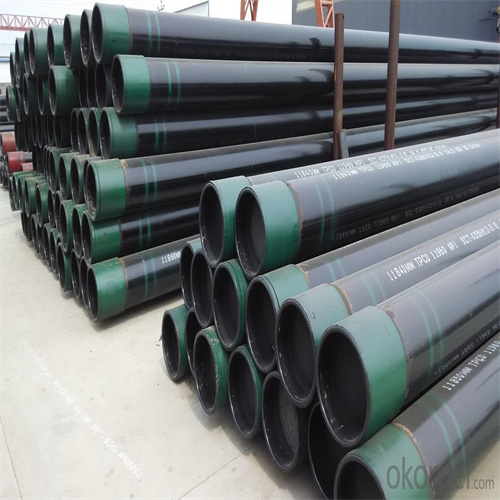
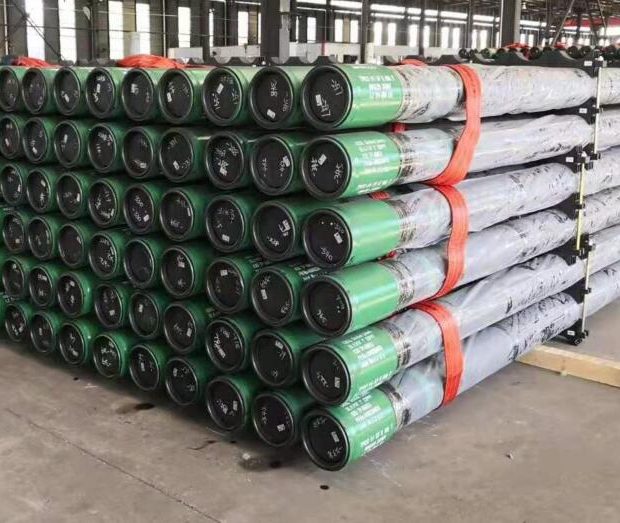
API 5ct N80-1 CASING chinese Best Suppliers
In addition to the demand for improved casing materials, another outcome of the shifts in the oil casing technical universe is the emphasis on cost efficiency and sustainability. With the industry facing pressure to reduce costs and minimize environmental impact, Companies are exploring innovative ways to optimize casing design, manufacturing processes, and installation techniques. This focus on efficiency and sustainability has led to the adoption of practices such as casing reuse, recycling, and the use of eco-friendly materials.
Furthermore, the evolution of digital technologies has had a profound impact on the oil casing technical universe, resulting in increased automation, data analytics, and real-time monitoring capabilities. These technological advancements have enabled companies to improve drilling efficiency, enhance safety, and optimize well performance. By leveraging data-driven insights and predictive analytics, operators can make more informed decisions, mitigate risks, and maximize production output.
Moreover, the shifts in the oil casing technical universe have also brought about changes in regulatory requirements and industry standards. As the industry strives to enhance safety, environmental protection, and operational reliability, there has been a push for stricter regulations and guidelines governing casing design, testing, and installation. Companies are now required to adhere to stringent quality control measures, conduct thorough inspections, and comply with industry best practices to ensure compliance and mitigate risks.
To address the outcomes of these shifts in the oil casing technical universe, companies are implementing various countermeasures to overcome challenges and capitalize on opportunities. This includes investing in research and development to innovate new casing technologies, collaborating with industry partners to share knowledge and resources, and training personnel to adapt to changing industry dynamics. By embracing these countermeasures, companies can navigate the evolving landscape of the oil casing technical universe and position themselves for long-term success in a competitive market.
In conclusion, the outcomes of the shifts in the oil casing technical universe have reshaped the industry in profound ways, driving innovation, efficiency, and sustainability. By understanding these outcomes and implementing effective countermeasures, companies can thrive in a rapidly changing environment and contribute to the contiNued advancement of the Oil and Gas sector.
Countermeasures for Shifts in Oil Casing Technical Universe
The oil casing technical universe has experienced significant shifts in recent years, leading to various outcomes that have prompted the need for strategic countermeasures. These shifts have been driven by a combination of technological advancements, market dynamics, and environmental considerations. As a result, stakeholders in the oil and gas industry have had to adapt to these changes to ensure operational efficiency and sustainability.
One of the key outcomes of these shifts is the increased complexity of oil casing designs. With the need to access reserves in more challenging environments, such as deepwater or unconventional reservoirs, oil companies have had to develop casing solutions that can withstand higher pressures, temperatures, and corrosive conditions. This has required the use of advanced materials and manufacturing techniques to ensure the integrity and reliability of the casing systems.
Another outcome of the evolving oil casing technical landscape is the growing emphasis on environmental stewardship. As concerns about climate change and sustainability have gained prominence, oil and gas companies have faced mounting pressure to reduce their environmental footprint. This has led to the development of eco-friendly casing materials, recycling programs for used casings, and initiatives to minimize the impact of casing operations on local ecosystems.
In response to these outcomes, industry players have implemented a range of countermeasures to address the challenges posed by the shifting oil casing technical universe. One such countermeasure is the adoption of digital technologies to optimize casing design and installation processes. By leveraging data analytics, simulation tools, and automation, companies can enhance the efficiency and accuracy of casing operations while reducing costs and environmental risks.
Furthermore, collaboration and knowledge sharing have become essential strategies for navigating the complexities of the modern oil casing landscape. Industry partnerships, research consortia, and information exchange platforms have emerged as valuable mechanisms for pooling expertise, fostering innovation, and addressing common challenges collectively. By working together, stakeholders can accelerate the pace of technological development and ensure the sustainability of the oil casing sector.
Moreover, regulatory compliance and risk management have become critical focal points for companies operating in the evolving oil casing technical environment. With stricter regulations governing casing design, installation, and decommissioning, companies must stay abreast of changing requirements and implement robust risk mitigation strategies to avoid costly penalties and reputational damage.
In conclusion, the shifts in the oil casing technical universe have brought about a series of outcomes that necessitate proactive and strategic countermeasures from industry participants. By embracing innovation, sustainability, collaboration, and compliance, companies can navigate the challenges posed by these shifts and position themselves for long-term success in a rapidly changing industry landscape.