أهمية المسؤولية الاجتماعية في سلسلة توريد صناعة أغلفة النفط
أفضل الممارسات لتنفيذ سياسات المسؤولية الاجتماعية في سلسلة توريد صناعة أغلفة الزيوت
تعد حماية البيئة جانبًا مهمًا آخر من جوانب المسؤولية الاجتماعية في صناعة أغلفة النفط. يجب على الشركات تنفيذ السياسات التي تهدف إلى الحد من انبعاثات الكربون، وتقليل توليد النفايات، وتشجيع استخدام مصادر الطاقة المتجددة. من خلال تبني ممارسات صديقة للبيئة، يمكن للشركات تقليل تأثيرها على البيئة والمساهمة في الجهود العالمية لمكافحة تغير المناخ.
تعد مشاركة المجتمع أيضًا عنصرًا حيويًا في سياسات المسؤولية الاجتماعية في صناعة أغلفة النفط. يجب على الشركات أن تشارك بنشاط مع المجتمعات المحلية لفهم احتياجاتها واهتماماتها. ومن خلال دعم مشاريع تنمية المجتمع، والاستثمار في التعليم والرعاية الصحية، وتعزيز العلاقات الإيجابية مع أصحاب المصلحة، يمكن للشركات بناء الثقة وحسن النية داخل المجتمعات التي تعمل فيها.
تعتبر الشفافية والمساءلة من المبادئ الأساسية التي ينبغي أن تدعم سياسات المسؤولية الاجتماعية في الغلاف النفطي. صناعة. يجب على الشركات تقديم تقارير منتظمة عن أدائها الاجتماعي والبيئي، والتواصل مع أصحاب المصلحة لجمع التعليقات، واتخاذ الإجراءات التصحيحية عند الضرورة. من خلال الشفافية بشأن ممارساتها وأدائها، يمكن للشركات بناء المصداقية والثقة مع المستهلكين والمستثمرين وأصحاب المصلحة الآخرين.
مجموعة أنابيب النفط تشانغتشو تشونغشون الصينية يعد التعاون مع الموردين والشركاء من أفضل الممارسات الأخرى لتنفيذ سياسات المسؤولية الاجتماعية في صناعة أغلفة النفط . يجب على الشركات أن تعمل بشكل وثيق مع مورديها لضمان الحفاظ على معايير المسؤولية الاجتماعية في جميع أنحاء سلسلة التوريد. من خلال تحديد توقعات واضحة، وإجراء عمليات تدقيق منتظمة، وتوفير الدعم والتدريب، يمكن للشركات تعزيز ثقافة المسؤولية الاجتماعية بين جميع أصحاب المصلحة.
في الختام، تعد السياسات التي تعزز المسؤولية الاجتماعية في سلسلة توريد صناعة تغليف النفط ضرورية لتعزيز الاستدامة والأخلاقية الممارسات. ومن خلال إعطاء الأولوية لحقوق العمال، وحماية البيئة، والمشاركة المجتمعية، والشفافية، والتعاون، تستطيع الشركات أن تخلق تأثيراً إيجابياً على المجتمع بينما تعمل أيضاً على تعزيز سمعتها وقدرتها التنافسية. إن تبني أفضل الممارسات هذه ليس مجرد ضرورة أخلاقية فحسب، بل هو أيضًا قرار استراتيجي يمكن أن يؤدي إلى نجاح طويل المدى في صناعة أغلفة النفط.
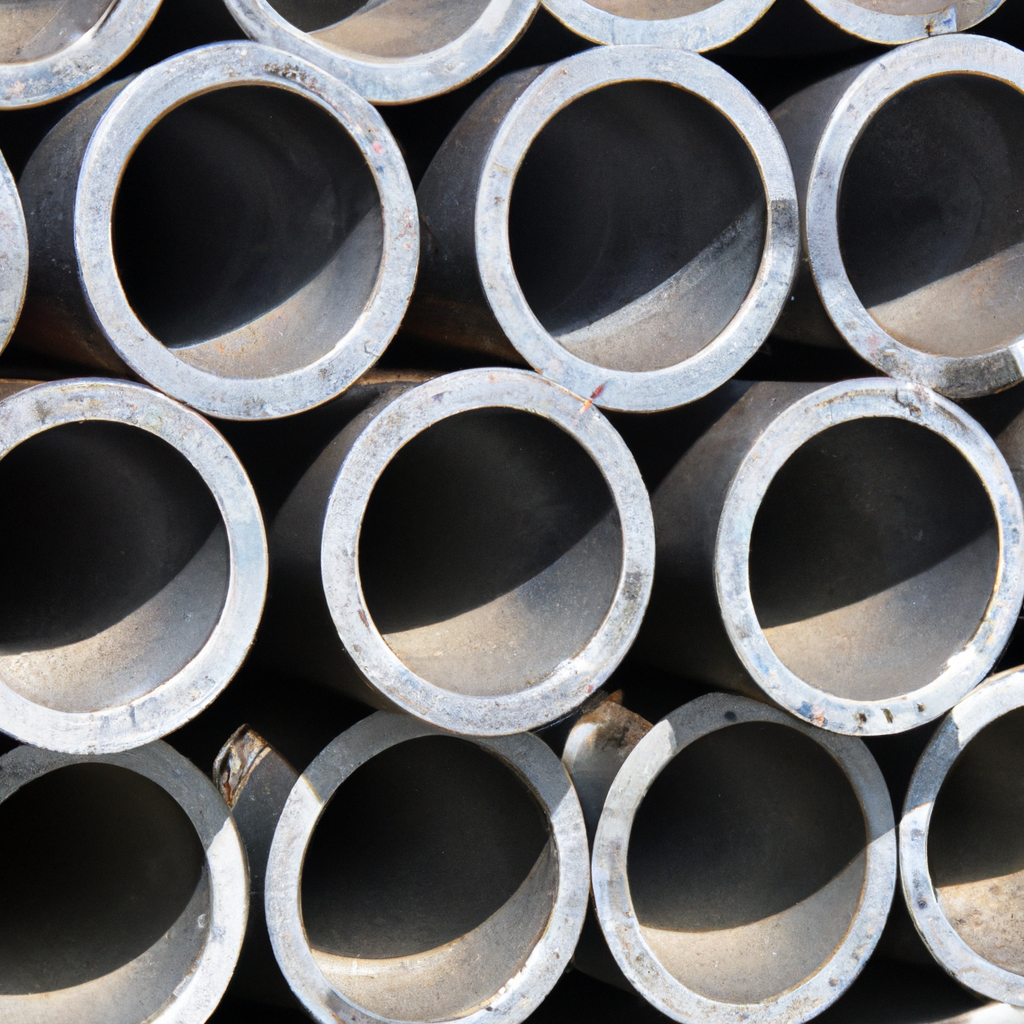 Environmental protection is another critical aspect of social responsibility in the Oil Casing industry. Companies should implement policies that aim to reduce carbon emissions, minimize waste generation, and promote the use of renewable energy sources. By adopting environmentally friendly practices, companies can minimize their impact on the environment and contribute to global efforts to combat climate change.
Community engagement is also a vital component of social responsibility policies in the oil casing industry. Companies should actively engage with local communities to understand their needs and concerns. By supporting community development projects, investing in education and healthcare, and fostering positive relationships with stakeholders, companies can build trust and goodwill within the communities where they operate.
Transparency and accountability are essential principles that should underpin social responsibility policies in the oil casing industry. Companies should regularly report on their social and environmental performance, engage with stakeholders to gather feedback, and take corrective actions when necessary. By being transparent about their practices and performance, companies can build credibility and trust with consumers, investors, and other stakeholders.
china cangzhou Zhongshun Oil Tube GroupCollaboration with Suppliers and partners is another best practice for implementing social responsibility policies in the oil casing industry. Companies should work closely with their suppliers to ensure that social responsibility standards are upheld throughout the supply chain. By setting clear expectations, conducting regular audits, and providing support and training, companies can promote a culture of social responsibility among all stakeholders.
In conclusion, policies promoting social responsibility in the oil casing industry supply chain are essential for fostering sustainable and ethical practices. By prioritizing labor rights, environmental protection, community engagement, transparency, and collaboration, companies can create a positive impact on society while also enhancing their own reputation and competitiveness. Embracing these best practices is not only a moral imperative but also a strategic decision that can lead to long-term success in the oil casing industry.