فهم الإجراءات المميزة لاختيار غلاف الزيت: دليل شامل
هل تعرف حقًا النقطة البارزة؟ – رؤى أساسية حول اختيار غلاف الزيت
بالتأكيد. إليك المقالة المكونة من 500 كلمة:
تعد معرفة المبادئ الأساسية لاختيار أغلفة النفط أحد ركائز المعرفة في صناعة استخراج النفط والتي لا يمكن الاستهانة بها. يمكن أن يؤدي الغلاف الخاطئ إلى تعريض العملية برمتها للخطر ويجعل العمليات غير فعالة، في حين أن الاختيار المستنير يمكن أن يزيد من طول عمر البئر وكفاءته. إذًا، هل تعرف حقًا النقطة البارزة؟
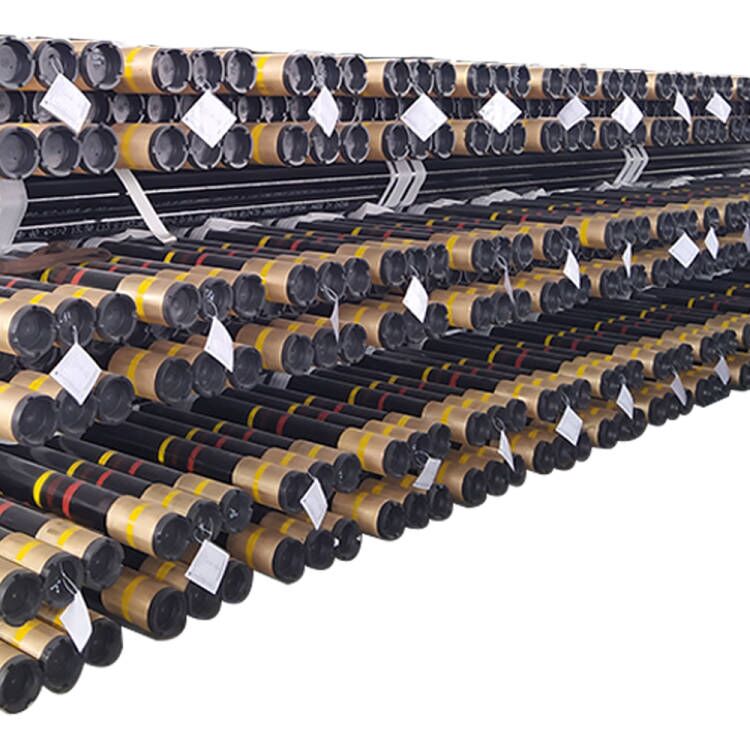
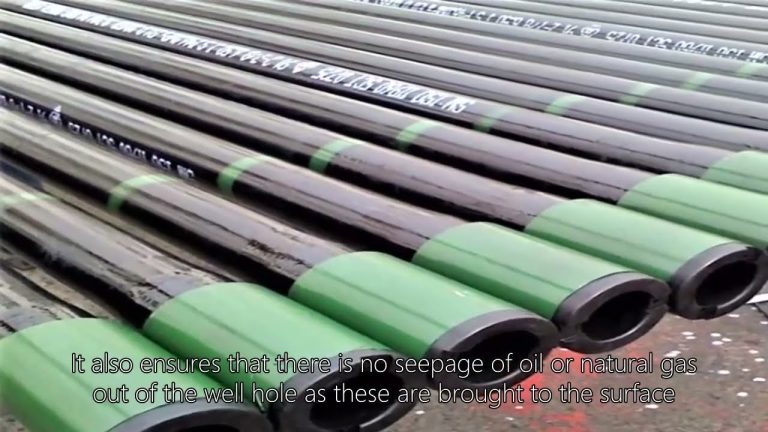
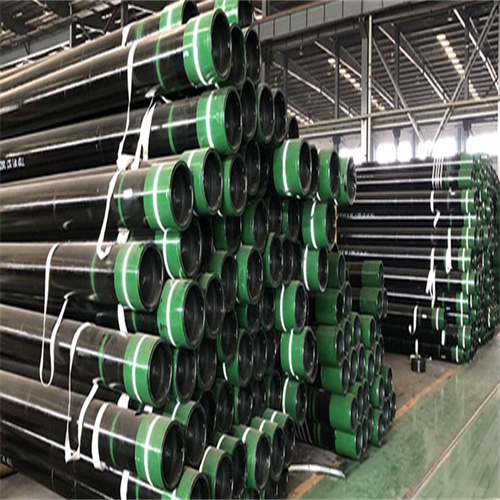
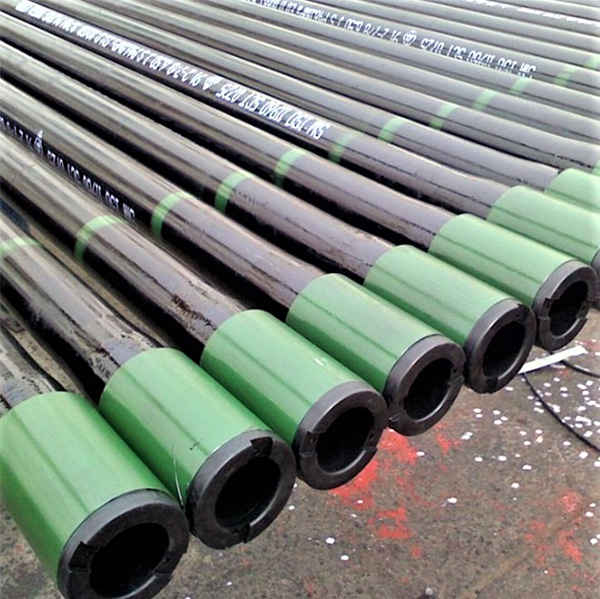
اختيار غلاف الزيت هو أكثر من مجرد اختيار؛ إنها عملية معقدة تتطلب فهمًا عميقًا للمفاهيم الهندسية والفروق الدقيقة الخاصة بالتضاريس. هذه الأغلفة هي الجدار الهيكلي، الذي يحمي من أي كوارث محتملة في قاع البئر، مثل انهيار البئر أو الملوثات الغازية التي تتسرب إلى عملية الاستخراج. كما أنها توفر ميزة مزدوجة تتمثل في الحفاظ على حفرة البئر آمنة ضد المضاعفات غير المتوقعة وضمان التدفق غير المنقطع للنفط.
يتطلب إجراء اختيار غلاف الزيت استيعاب عوامل مختلفة. أولاً، يحدد نوع البئر، سواء كان رأسياً أو أفقياً، متطلبات الغلاف. يجب أخذ الخصائص الميكانيكية، بما في ذلك قوة الخضوع وصلابة مواد التغليف، في الاعتبار بجدية لتحدي الضغوط الشديدة ودرجات الحرارة الموجودة على عمق آلاف الأقدام تحت الأرض.
ثم تأتي المواد. الفولاذ الكربوني أو الفولاذ المقاوم للصدأ، أو بالنظر إلى الفولاذ عالي القوة ومنخفض السبائك، جميعها توفر مزايا مختلفة. في حين أن القدرة على تحمل تكاليف الفولاذ الكربوني ومتانته تجعله خيارًا قياسيًا، فإن الفولاذ المقاوم للصدأ يوفر مرونة أكبر ضد التآكل، وهو عامل محوري بالنظر إلى الظروف القاسية التي يجب أن يتحملها الغلاف. يقدم الفولاذ عالي القوة ومنخفض السبائك أفضل ما في العالمين ولكن بسعر ممتاز.
التآكل ضار، ليس فقط بسبب تأثيره على طول العمر، ولكن أيضًا لقدرته على تثبيط السلامة. غالبًا ما تصبح المناطق المتآكلة نقاط تسرب، مما يعرض نقاء الزيت المستخرج للخطر، مما يشير إلى ضرورة اختيار غلاف مقاوم للتآكل.
x تغيير زيت علبة النقل يجب النظر في طريقة التثبيت نفسها، ما إذا كان سيتم تشغيل الغلاف في و يتم تثبيته في مكانه، أو إذا كان سيتم تثبيته باستخدام نظام شماعات البطانة. سيحدد الاختيار الخصائص الفيزيائية للغلاف، بدءًا من قطره ووزنه وحتى نوع الخيط الخاص به.
تصنيفات ضغط ودرجة حرارة الغلاف، ومقاومته للانهيار، والتوتر—والوصلات التي تجعل الهيكل في شكله النهائي\ كل شيء يأتي في اللعب. توفر إرشادات الاختيار التي يقدمها معهد البترول الأمريكي ( API) والمنظمة الدولية للمعايير (ISO) رؤى لا تقدر بثمن لاتخاذ الاختيار الأمثل، مع وضع كل هذه العوامل في الاعتبار.
تعد فعالية التكلفة جانبًا أساسيًا في اختيار غلاف الزيت العملية، كما هو الحال مع الامتثال التنظيمي، مما يجعل من الضروري أن يتوافق الغلاف مع اللوائح المحلية والدولية المتعلقة بالسلامة والأثر البيئي. هذه العوامل تجعل اختيار غلاف الزيت مهمة معقدة ومتعددة الأبعاد تتطلب اهتمامًا شديدًا بالتفاصيل وكفاءة في صناعة استخراج النفط. ومراقبة الكفاءة والامتثال التنظيمي. إن إتقان هذه العمليات البارعة أمر أساسي لاتخاذ قرارات ذكية. لا يمكن للخيارات الجيدة أن تصمد أمام اختبارات الزمن والظروف القاسية فحسب، بل يمكنها أيضًا تبسيط عملية الاستخراج، مما يجعلها أكثر أمانًا وكفاءة. في المقابل، يمكن أن تؤدي القرارات الخاطئة إلى جعل العملية برمتها عرضة للخطر، مما يعرض السلامة والكفاءة للخطر.
إن فهم هذه الرؤى الخاصة بالصناعة وتنفيذها هو المفتاح لاختيار غلاف الزيت. إنه فن بارع، بمجرد إتقانه، يمكنه تعزيز كفاءة البئر وطول عمره مع ضمان تشغيل آمن ومربح.
Absolutely. Here is the 500-word article:
Knowing the essential tenets of Oil Casing selection is a pillar of knowledge in the oil extraction industry that cannot be underestimated. The wrong casing can compromise the entire process and render operations ineffectual, whereas an informed choice can lend to longevity and efficiency of a well. So, do you truly know the salient point?
Oil casing selection is more than just a mere choice; it’s a complex process requiring a profound understanding of engineering concepts and terrain-specific nuances. These casings are the structural wall, guarding against any potential downhole disasters, such as collapses of the wellbore or invasive contaminants seeping into the extraction process. They also offer the dual advantage of keeping the wellbore secure against unforeseen complications and ensuring an uninterrupted flow of oil.
The procedure of oil casing selection necessitates the assimilation of various factors. First, the type of well—whether vertical or horizontal, dictates the casing requirements. The mechanical properties, including the yield strength and hardness of casing Materials, are to be seriously considered to defy the intense pressures and temperatures existing thousands of feet underground.
Then comes the material. Carbon Steel or Stainless Steel, or considering the high-strength and low-alloy steels, all conveys different advantages. While carbon steel’s affordability and toughness make it a standard choice, stainless steel extends greater resilience against corrosion, a pivotal factor considering the harsh conditions the casing must endure. High-strength, low-alloy steels offer the best of both worlds but at a premium Price.
Corrosion is detrimental, not only because of its impact on longevity but also for its potential to inhibit safety. Corroded areas often become leak points, jeopardizing the extracted oil’s purity, pointing towards the necessity of choosing a corrosion-resistant casing.
x type transfer case oil changeConsideration must be given to the installation method itself, whether the casing will be run in and cemented in place, or if it will be installed using a liner hanger system. The choice will determine the physical characteristics of the casing, from its Diameter and Weight to its Thread type.
The casing’s pressure and temperature ratings, its resistance to collapse, and tension—and the Connections that bring the case into its final form—all come into play. Selection guidelines offered by the American Petroleum Institute (API) and the International Organization for Standardization (ISO) provide invaluable insights to making an optimal choice, bearing all these factors in mind.
Cost-effectiveness is a quintessential aspect of the oil casing selection process, as is the regulatory compliance, making it necessary for the casing to align with local and international regulations on safety and environmental impact. These factors make oil casing selection a multidimensional, complex task requiring sharp attention to detail and proficiency in the oil extraction industry.
Summing it up, the salient point about oil casing selection is this: it’s an intricate blend of engineering science, industry insights, efficiency control, and regulatory compliances. Mastery of these artful processes is fundamental for making intelligent decisions. good choices can not only withstand the tests of time and harsh conditions but also streamline the extraction process, making it safer and more efficient. In contrast, wrong decisions can make the whole operation vulnerable, compromising both safety and efficiency.
Understanding and implementing these industry-specific insights is the key to oil casing selection. It’s a subtle art that, once mastered, can fuel a well’s efficiency and longevity while ensuring a safe and profitable operation.